

Relates to student financial aid programs; allows absence because of uniformed service, maternity/paternity, FMLA, or due to compensable injury to be creditable time.
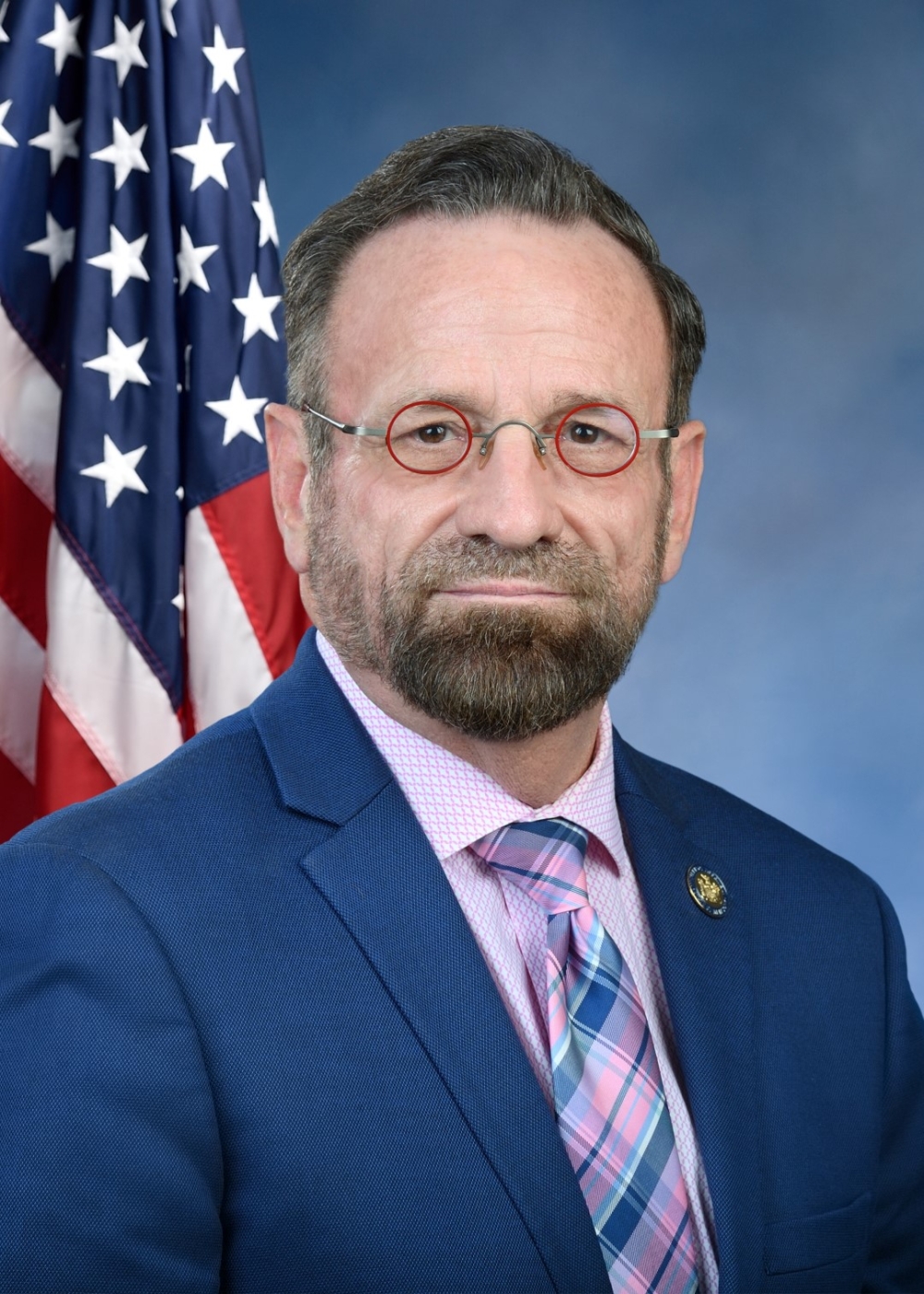
Asm. Harry Bronson
Sponsored bills
Enacts the "Supervising Upcoming Professionals for Practice in Official Roles in Therapy (SUPPORT) act"; provides that for licensure as a clinical social worker, an applicant may satisfy the experience requirements under supervision of a mental health practitioner who has been granted the privilege to diagnose and develop assessment-based treatment plans under article one hundred sixty-three of the education law.
Maddy summaryThis bill increases fines for violating public health laws. It raises penalties for nursing home and hospital operators from $3,000 to $5,000 per violation, with repeat offenses or violations causing harm now carrying up to $10,000 or $20,000 fines. Excess fines collected beyond $2,000 per violation go to a patient safety center, while nursing home fines over $10,000 fund quality improvement programs for nursing homes. The changes apply directly to healthcare facilities and their operators under New York's public health and social services laws.
Maddy summaryThis bill requires election commissioners serving on county boards outside New York City to be full-time employees of those boards. It sets a standard of two commissioners per board, with counties having over 120,000 residents allowed to increase this to four via local law. The change applies specifically to election boards in counties outside NYC, altering their commissioner employment structure without affecting NYC-based boards.
Directs the commissioner of labor and the commissioner of health to conduct a labor market study of the home care and hospice workforce; establishes a temporary labor task force for home care and hospice services and occupations to examine and make recommendations regarding competitive labor market factors, reimbursement, programs and other state policy actions necessary to support recruitment and retention of the home care and hospice workforce in the broader, competitive health labor market.
Establishes a person is guilty of assault in the second degree when such person intends to cause physical injury to an employee of New York state or any of its political subdivisions or of a public authority or a public benefit corporation while such employee is performing such employee's duties.
Directs the department of civil service to conduct a study on competitive examinations for public employment held by the state department of civil service and by municipal commissions to determine whether the contents of such examinations have a discriminatory effect on minority examinees; requires a report on such findings to be delivered to the governor and legislature.
Maddy summaryThis bill removes specific eligibility restrictions for Medicaid home care services in New York. It repeals a provision requiring individuals seeking home care to meet strict activity-of-daily-living criteria (like needing assistance with multiple tasks) or dementia-related supervision levels. The change directly affects Medicaid recipients needing home care services, particularly those with dementia or Alzheimer's who previously faced these barriers. The policy shift simplifies eligibility by eliminating these prior requirements for people applying on or after October 1, 2020. The bill modifies New York's social services law to broaden access to home care services under Medicaid.
Maddy summaryThis bill requires the state education commissioner to develop age-appropriate curriculum about the historical treatment of lesbian, gay, bisexual, transgender, and gender non-conforming individuals for school districts. Schools may integrate this material into social studies or other subjects as they determine appropriate. The curriculum must be tailored to different grade levels and does not need to be uniform across the state. It applies to school years starting July 1, 2026, with implementation rules to be finalized before that date. The bill directly affects public school districts and students by mandating this historical content in educational programming.
Maddy summaryThis bill establishes a new health coverage option under New York's 1332 state innovation program, allowing the state to create a health plan for specific uninsured New Yorkers who don't qualify for Medicaid or ACA marketplace plans. It directly affects residents under 65 with household incomes between 133% and 250% of the federal poverty line, including some noncitizens ineligible for Medicaid due to immigration status. Key provisions include requiring coverage for essential health services (like cancer care access at Medicaid rates, dental, vision, and chronic illness support), automatic enrollment for children born to eligible parents, and continued coverage during pregnancy for one year postpartum. The program requires federal approval under the ACA's Section 1332 waiver process and operates alongside existing Medicaid and marketplace plans.