

Enacts the "New York state teleworking expansion act"; provides that each state agency shall establish a policy and program to allow employees to perform all or a portion of their duties through teleworking to the maximum extent possible without diminished employee performance.
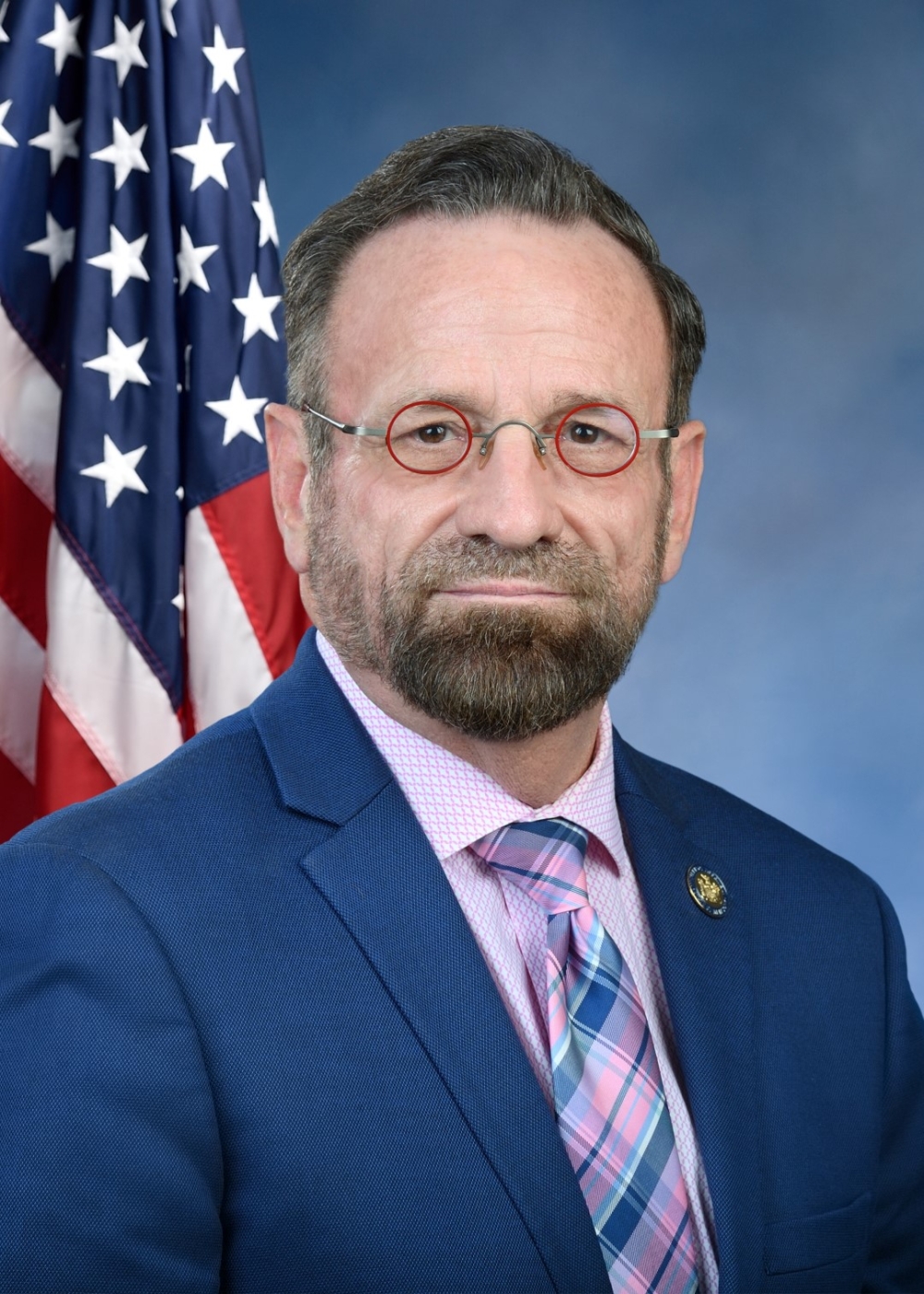
Asm. Harry Bronson
Sponsored bills
Establishes an educator development workforce for the purpose of contracting with EDHUBNY, a nonprofit organization, for support of New York's child serving and educator workforce; authorizes the workforce to contract with EDHUBNY including performance measures, reporting requirements, and fiscal controls; authorizes collaboration with other state agencies; provides for an appropriation of $50 million.
Authorizes registered pharmacy technicians to administer the same immunizations as licensed pharmacists under direct supervision of such licensed pharmacist.
Maddy summaryThis bill modifies how the statewide fiscal intermediary in New York contracts with community-based organizations to help people with disabilities navigate their services. It requires the intermediary to work with independent living centers and experienced service providers who can offer culturally and linguistically competent support. The law mandates that consumers choose their own facilitator, ensures the intermediary maintains a public list of available providers, and establishes rules for payment and compliance. Additionally, the bill prohibits the fiscal intermediary from directly providing facilitation services or creating subsidiaries to do so, keeping its role strictly administrative.
Enacts the "affordable clean energy (ACE) act"; exempts renewable energy systems from certain requirements related to energy facilities (Part A); directs the New York power authority to propose a minimum of two priority transmission projects to address the areas of highest need on the bulk transmission system (Part B); exempts payment in lieu of taxes revenue from property tax cap calculations (Part C).
Maddy summaryThis bill officially designates the State University of New York College at Geneseo as New York's public honors college. It codifies the college's mission to provide a distinctive, academically rigorous liberal arts education focused on excellence, success, and access for high-ability students. The legislation adds Geneseo to the official list of institutions within the State University of New York system and takes effect immediately upon passage.
Maddy summaryThis bill clarifies that all wage and cash advances against future pay are treated as loans subject to existing interest rate caps. It explicitly defines "loan" to include advances on earned but unpaid wages and requires that all fees, tips, and subscription costs associated with these advances count toward the interest limit. The legislation aims to prevent lenders from charging excessive fees on payday-style loans by ensuring all costs are included in interest calculations.
Relates to increasing the earnings limitation for positions of public service; increases the earnings limitation from $35,000 to $65,000 in 2027 and thereafter.
Maddy summaryThis bill requires sellers to provide lead-based paint test reports to buyers before selling residential properties built before 1978. It directly affects home sellers, buyers, and real estate agents in New York for properties constructed prior to 1978, which are most likely to contain lead paint. The key mechanism mandates a one-time inspection and disclosure of test results before title transfer, with reports added to a state registry for future buyers. This complements existing laws by standardizing disclosure across all residential sales, not just rentals, ensuring buyers receive clear information about potential lead hazards. The law does not replace buyer due diligence or existing seller responsibilities.
Maddy summaryBill A 7683 limits the recordkeeping and reporting duties of public notaries. This bill specifies that notaries are only required to create and retain records for electronic notarization acts. For all other types of notarial acts, public notaries would no longer be mandated to keep records. This change directly affects public notaries by reducing their administrative burden regarding non-electronic notarizations.