

Maddy summaryBill A 482, titled the "lab services accessibility act," amends the public health law concerning clinical laboratory services. It expands the list of entities permitted to make payments for these services. Specifically, it allows nonprofit clinics, healthcare providers, and health services facilitators to pay for lab services when supporting a "public health program." These programs are broadly defined to include services supported by public funds or addressing recognized public health needs, such as confidential testing, services for underserved populations, or epidemic responses. The bill also transfers the authority for adopting and amending related rules from the public health council to the department.
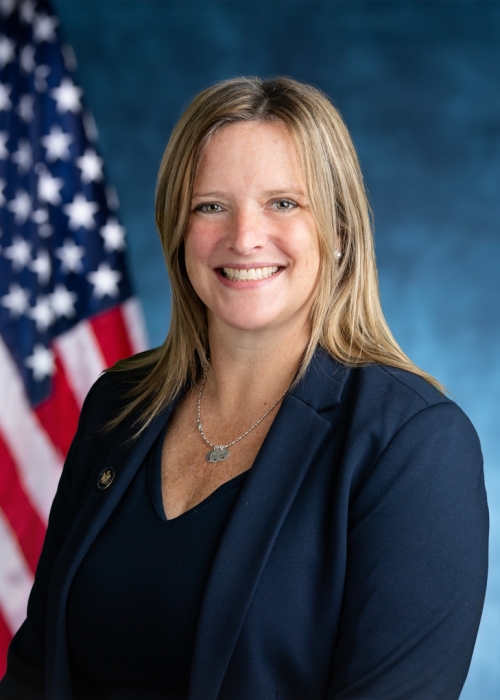
Asm. Sarah Clark
Sponsored bills
Provides for mental health screening; creates a presumption that post-traumatic stress disorder is proximately caused by employment for law enforcement officers and emergency medical services personnel.
Maddy summaryThis bill (A 6835) removes a legal barrier preventing testimony about medical review meetings in malpractice cases. It specifically allows doctors, hospitals, or other medical professionals to testify about discussions held during medical quality review meetings if they are named as parties in a malpractice lawsuit. Currently, such meetings and testimony are protected from disclosure under New York law. The change applies to reviews related to patient care, treatment disputes, or fees involving physicians, dentists, podiatrists, or hospital administrators. This policy shift directly affects medical professionals and patients involved in malpractice litigation where review meeting details were previously shielded.
Maddy summaryThis bill removes a requirement for workers with permanent partial disabilities to prove ongoing "labor market attachment" to receive ongoing compensation benefits. It directly affects injured workers who have been classified as permanently partially disabled due to work-related injuries. The key change eliminates the need for these claimants to demonstrate continued workforce engagement to maintain benefits, while keeping the existing compensation rate (66.67% of lost wages) and maximum benefit duration limits based on the severity of disability. The bill applies to cases with injury dates after the effective date of related 2017 legislation.
Establishes an advanced coursework and examination access program to reimburse exam fees associated with the administration of an advanced coursework exam; defines terms; requires authorized schools to inform students and parents of all advanced coursework programs offered, their cost-free status, and the potential benefits of their successful completion as it relates to college credit and other academic opportunities; makes related provisions.
Enacts the "state and local clean energy partnership", directing the public service commission to establish a standard New York state community choice aggregation program for all utility service territories.
Maddy summaryBill A 8246 proposes to allow individuals who receive Supplemental Nutrition Assistance Program (SNAP) benefits to use them for purchasing menstrual products, including sanitary napkins, tampons, and panty liners. The bill directs the state's Office of Temporary and Disability Assistance to seek a waiver or authorization from the federal government for this change. This policy would only take effect if federal approval is granted.
Maddy summaryThis bill repeals a requirement that applicants must pass an exam to become a licensed master social worker in New York. It directly affects individuals seeking this specific license by removing the examination step from the qualification process. The key provision eliminates Section 7704(d) of the Education Law, which previously mandated the exam. As a result, applicants will no longer need to pass a test to qualify for the license, simplifying the licensing pathway. The change takes effect immediately upon enactment.
Maddy summaryThis bill establishes a legal framework for safe injection sites in New York, creating a program approved by the Department of Health to provide overdose prevention services. It directly affects people who use drugs (participants), community health organizations operating the sites, and local communities through designated locations. Key provisions require sites to offer sterile equipment, overdose monitoring, naloxone access, referrals to treatment, and language-accessible education, while mandating annual reporting on participant numbers and services. The bill also provides legal immunity from arrest or penalties for participants, staff, and property owners who follow approved protocols, ensuring these sites operate without criminal or civil liability.
Creates a wholesale prescription drug importation program which complies with federal standards and regulations for the purpose of generating substantial savings for consumers.