

Authorizes municipalities to establish an emergency repair pilot program; enables municipalities to repair immediately hazardous code violations in buildings where the owner has not undertaken such repairs in a reasonable time.
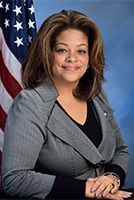
Asm. Pamela Hunter
Sponsored bills
Maddy summaryThis bill establishes a legal framework for pet insurance in New York by defining specific terms and outlining requirements for insurance companies. It mandates that insurers clearly define concepts like preexisting conditions, waiting periods, and chronic illnesses within their policies and make these definitions easily accessible online. The legislation also requires companies to disclose important details such as claim payment formulas, exclusions, and whether premiums change based on a pet's age or location. Additionally, the bill grants consumers a 30-day "free look" period to review and return a policy without filing a claim for a full refund.
Prohibits insurers from reducing disability benefits due to the actual or anticipated receipt of social security disability benefits unless certain conditions are met.
Establishes visiting policies for incarcerated people, to provide incarcerated people opportunities for personal contact with relatives, friends, clergy, volunteers and other persons to promote better institutional adjustment and better community adjustment upon release.
Maddy summaryBill A 6037 establishes a peer support program specifically for veterans dealing with mental illness, alcohol abuse, or substance dependence. The bill defines "veteran peer support services" as counseling provided by a veteran peer counselor to other veterans. It directs the Commissioner of Mental Hygiene, in consultation with other agencies, to develop recommended minimum qualifications for these veteran peer counselors and to create procedures for connecting them with training. This program aims to support veterans by leveraging the unique understanding and experiences of fellow veterans in recovery and support roles.
Maddy summaryThis bill expands real property tax exemptions to veterans who served in designated combat zones or theaters of operation. To qualify, veterans must provide proof of their service through specific military documents, such as discharge papers, campaign medals, or records showing they received hostile fire pay. If eligible, the bill allows these veterans to reduce their property taxes by up to ten percent of their home's assessed value, with a maximum benefit capped at eight thousand dollars. The law takes effect immediately upon passage and applies to qualifying residential properties.
Maddy summaryThis bill establishes an extended producer responsibility program for mattresses, requiring manufacturers and importers to manage the disposal and recycling of their products. Producers must submit a detailed plan to the state department outlining how they will collect discarded mattresses, with specific goals to ensure collection sites are accessible to the majority of residents within a few years. The program defines recycling as separating materials for reuse while excluding incineration, chemical conversion, or landfill disposal. Retailers and consumers are also involved, with retailers responsible for facilitating the return of old mattresses and consumers able to discard them at designated collection sites. The legislation creates an advisory board to oversee the program and sets up enforcement measures and penalties for non-compliance.
Establishes the large projects historic rehabilitation tax credit and the "white elephant" housing historic rehabilitation projects tax credit program for qualified rehabilitation expenditures totaling fifty million dollars or more with respect to a certified historic structure that has been vacant, as determined by local code enforcement or other reasonable means, for at least ten of fifteen consecutive years preceding the date of the taxpayer's application for the rehabilitation credit.
Permits the suspension of a license or driving privilege for failure to answer a summons for operating a motor vehicle while under the influence of alcohol or drugs; prohibits the reduction or waiving of fines or mandatory surcharges imposed for a violation of operating a motor vehicle while under the influence of alcohol or drugs.
Prohibits drug, cannabis or alcohol testing of pregnant or postpartum individuals and newborns unless the individual consents and it is within the scope of medical care, or the testing is necessary for a medical emergency.