

Maddy summaryThis bill requires health insurers to automatically approve preauthorization requests for specific medical services when healthcare professionals (like doctors or nurses) have received approval for at least 90% of similar requests in the past six months. It directly affects healthcare providers who work with participating insurers and ensures insurers must pay for covered services without delay or reduction once automatic approval is granted. Key provisions include annual reviews (by November 15th) to maintain approval status, a 30-day notice period before rescinding approvals, and a guarantee that insurers cannot deny payment for services covered under the automatic approval. The law aims to reduce administrative delays for providers while maintaining insurer oversight through retrospective reviews.
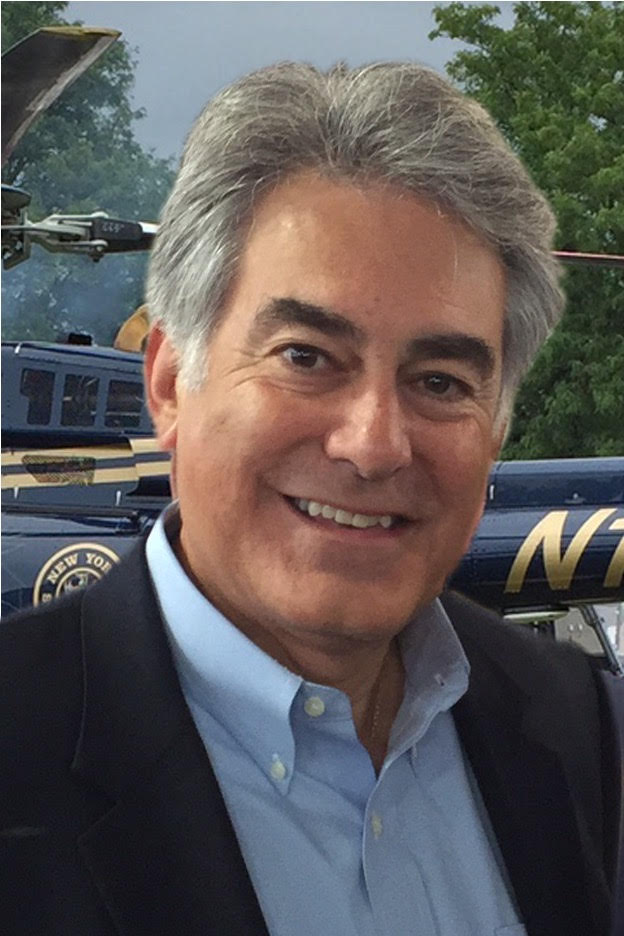
Asm. Al Stirpe
Sponsored bills
Establishes the New York state equine industry board, to advise and make recommendations to the state agencies on state government plans, policies and programs affecting all aspects of equine industry, and in such areas as its experience and studies may indicate to be appropriate.
Relates to professional obligations under the physician loan repayment program; provides an option to practice as a physician engaged in private practice in an underserved area.
Maddy summaryThis bill removes the previous limit of 10 visits or 30 days for physical therapists to treat patients without a physician referral. It directly affects licensed physical therapists and their patients, allowing ongoing treatment without a referral as long as three requirements are met: therapists must refer patients if symptoms suggest other care is needed, communicate with the patient’s primary care provider during treatment, and provide written notice to patients about potential insurance coverage issues without a referral. The bill requires therapists to document patient notification with a signed form. These changes aim to streamline access to physical therapy while ensuring patient safety and insurance clarity.
Enacts the bucks for boilers act, which creates a program to aid in transition of housing units to electric heat pumps and other high energy efficiency upgrades.
Maddy summaryThis bill creates a new tax credit for New York State residents who pay for qualified caregiving services for eligible family members. It directly affects caregivers (including spouses on joint returns) with household incomes under $75,000 ($150,000 for couples) who provide uncompensated care to family members meeting specific criteria (e.g., over 18, NY resident, needing daily living assistance certified by a healthcare provider). The credit covers 50% of eligible expenses - such as home health services, respite care, or home modifications - up to $3,500 annually, with a total annual cap of $35 million allocated on a first-come basis. Unused credit amounts cannot be refunded or carried forward, and applications require documentation including income and family member details.
Authorizes emergency medical technicians to administer certain vaccines pursuant to non-patient specific orders and under the authority of an emergency medical services director after receiving appropriate training; authorizes physicians and certified nurse practitioners to prescribe and order a non-patient specific order to an emergency medical technician to administer certain vaccines; provides for the repeal of such provisions upon the expiration thereof.
Relates to the use of antipsychotic medications in nursing homes; imposes limits as to time and documentation; requires informed consent under certain circumstances.
Maddy summaryBill A 8326 expands vehicle registration options for severely disabled individuals by allowing their parents or guardians to register a motor vehicle, van, or pick-up truck used for transportation. The Department of Motor Vehicles Commissioner will issue special "disabled person passenger plates" for these non-commercial vehicles. Applicants must provide proof of the person's severe disability, certified by a medical professional, and documentation of their parenthood or guardianship. This ensures that vehicles used by parents or guardians for transporting severely disabled persons can receive appropriate identification.
Maddy summaryThis bill increases criminal penalties for damaging property or stealing items at religious worship sites and cemeteries. It makes damaging religious items (like scrolls, vestments, or religious symbols) at churches, synagogues, or religious museums a class D felony, and upgrades cemetery vandalism or theft (e.g., headstones, monuments) to higher felony levels based on value. Offenders face harsher punishments for targeting these specific locations, including theft exceeding $250 at cemeteries or damage exceeding $2,000 at religious sites. The law directly affects individuals who commit these acts at protected locations, with penalties now reflecting the heightened seriousness of targeting sacred or memorial spaces.