

Maddy summaryThis bill modifies the notice requirements for landlords operating in municipalities with good cause eviction laws. It allows landlords to omit a specific mandatory notice from initial leases, lease renewals, and eviction-related documents. The change directly affects rental properties located within designated good cause eviction areas. By removing this requirement, the legislation simplifies the documentation landlords must include when initiating or renewing tenancy agreements.
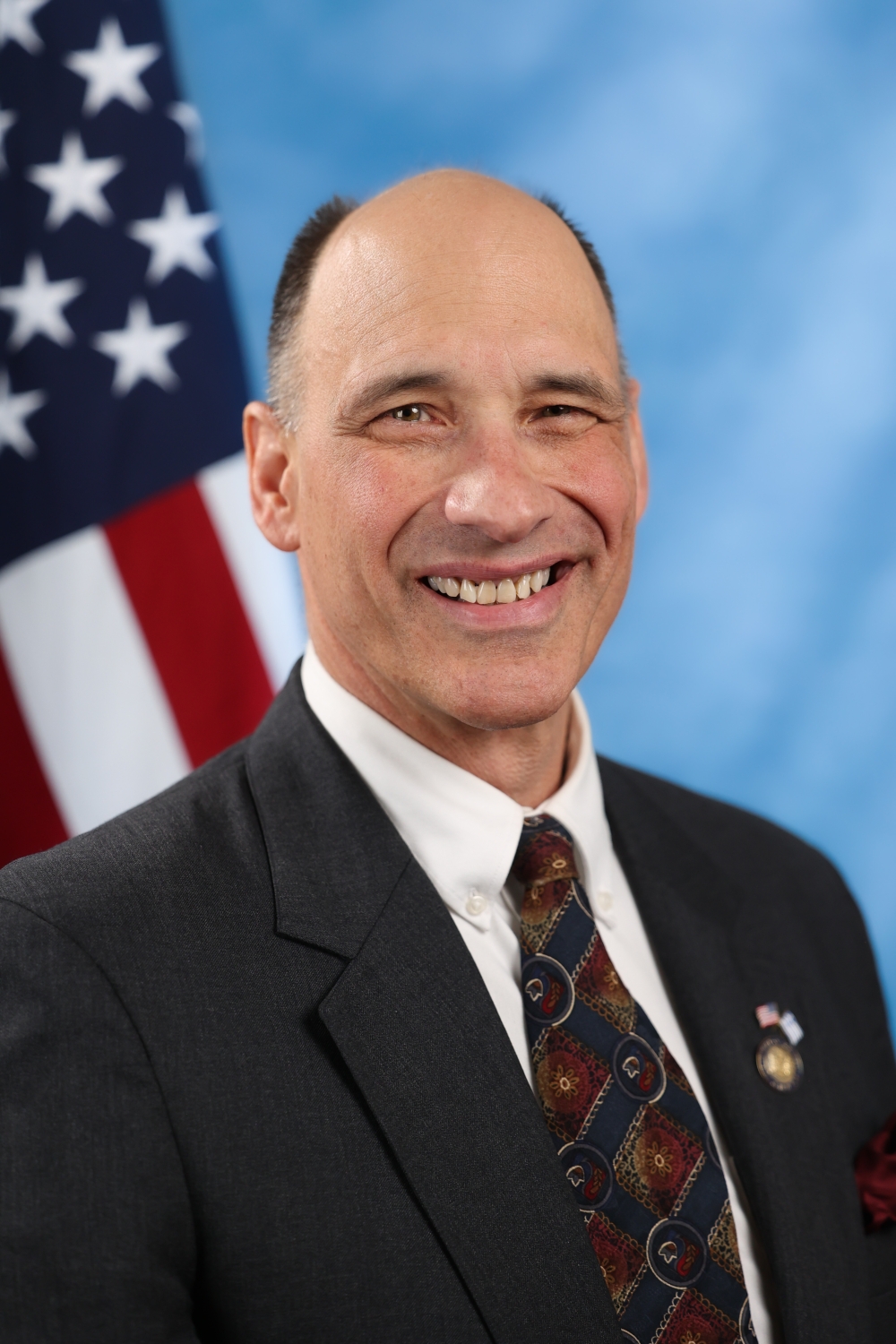
Asm. John Lemondes
Sponsored bills
Maddy summaryThis bill asks the Governor of New York to officially recognize March 21, 2026, as Forest Day in the state. It directly affects the Governor's office and the Empire State Forest Products Association, which receives copies of the resolution. The measure is a ceremonial proclamation that aligns with the United Nations International Day of Forests to raise awareness about the importance of forests. It does not create new laws or change any policies but serves as a symbolic acknowledgment of forests' environmental and economic value.
Establishes the rare disease advisory council to identify best practices, raise awareness regarding rare diseases, evaluate barriers to access to care, and to make recommendations to the legislature and the governor.
Maddy summaryThis bill updates how New York State calculates payment rates for federally qualified health centers (FQHCs), which provide primary care in underserved communities. It changes the rate calculation method: through 2025, rates use the Medicare Economic Index, and after 2025, they use a federal cost adjustment formula (FQHC Market Basket inflator) adjusted for service scope. The state health department must analyze actual FQHC costs every three years starting in 2025 to set updated rates, ensuring payments reflect real costs while guaranteeing no facility receives a rate lower than the 2025 level. This directly affects FQHCs by potentially increasing their state-funded payments based on verified operational expenses.
Maddy summaryThis bill allows unused funds in New York's climate investment account - collected from electricity customers through utility bills - to be returned directly to those customers. Specifically, any uncommitted funds collected via the "bill-as-you-go" system (where fees are added to monthly utility bills) must be credited back to ratepayer accounts by the end of each fiscal year. The bill modifies existing law to require this refund, ensuring customers who paid these climate-related fees receive the unused portion. It directly affects electricity customers who contributed to the climate investment account but did not have their funds fully allocated for climate projects. The change is a procedural adjustment to fund handling, not a new policy for climate initiatives.
Maddy summaryThis bill is a ceremonial resolution requesting Governor Hochul to officially proclaim February 2026 as "Lamb Lovers Month" in New York State. It directly affects the Governor and aligns with the American Lamb Board's (ALB) existing annual "Lamb Lovers Month" campaign, which includes social media promotions and recipe contests. The resolution does not create new laws or funding but formally requests the Governor issue a symbolic proclamation to support the ALB's marketing efforts. The ALB, funded by industry assessments, has celebrated this month for over a decade as part of its consumer promotion program.
Maddy summaryThis bill allows licensed health and professional service providers (such as doctors, dentists, veterinarians, engineers, social workers, and therapists) to form limited liability companies (LLCs) for their practice. It requires all LLC members to hold valid state licenses for their specific profession and prohibits altering the scope of any member's licensed practice. The bill specifies that LLCs can offer multidisciplinary services only if each member practices within their individually licensed scope, and it explicitly bars law firms from mixing with other professional services. This changes existing rules by expanding LLC formation options for these professionals while maintaining strict licensing and scope-of-practice boundaries.
Requires any county, city, town or village that intends to install a traffic-control device outfitted with a camera provide public notice that they are installing a traffic-control device outfitted with a camera.
Directs the commissioner of education to develop curriculum for firearm safety classes in schools; provides for schools to be able to provide firearm safety instruction which can be used to obtain a hunting license.
Maddy summaryThis bill establishes a constitutional process for citizens to remove statewide elected officials through a recall petition. It would allow registered voters to initiate a recall by filing an affidavit with a stated reason (not reviewed for validity) and gathering signatures equal to 12% of the previous election vote for the office, with at least 2,000 signatures from each congressional district. If enough signatures are certified, a recall election must be held 70-80 days later (or consolidated with the next general election), where a majority vote to remove the official. If removed, a successor is elected by plurality; the removed official cannot run again, and no new recall can occur for six months. The bill creates new constitutional language and requires the legislature to set procedures for petitions, elections, and costs.