

Maddy summaryThis bill requires New York school districts to purchase or lease only zero-emission school buses (electric or hydrogen-powered with no tailpipe emissions) when buying new vehicles by July 2027. It also mandates that all components and final assembly of these buses and their charging infrastructure must be made in the U.S. unless a waiver is granted for cost or feasibility reasons. Districts facing financial hardship may receive up to two years to comply after a cost-benefit analysis, and the law includes protections preventing workforce displacement for transportation employees during the transition. The full transition to zero-emission school buses must be completed by July 2047, or when all state vehicle fleets meet this standard, whichever comes later.
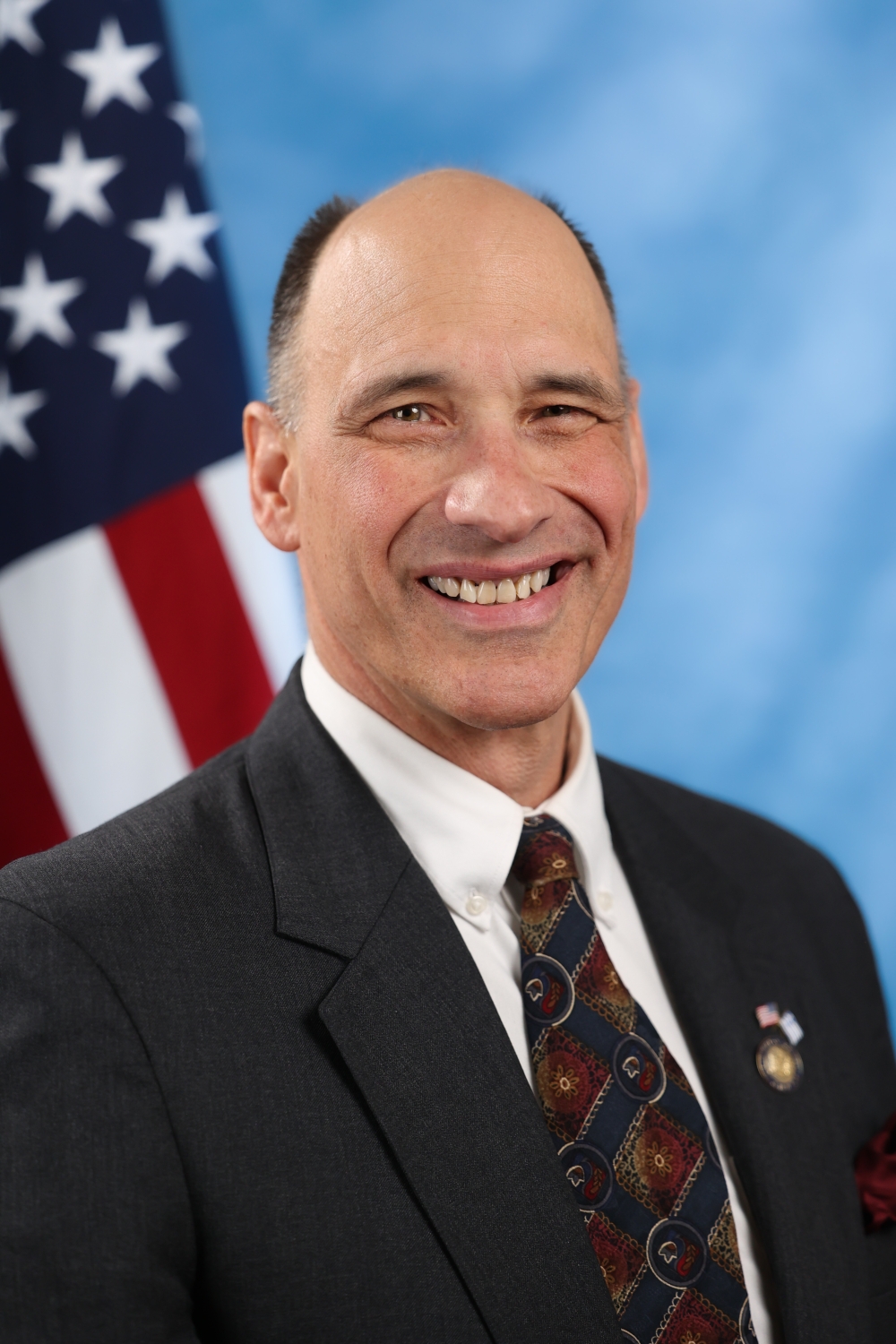
Asm. John Lemondes
Sponsored bills
Provides for the chief administrator of the courts to, upon request by a municipality, ensure the assignment and presence of a uniformed court officer during court proceedings or a law enforcement officer where no uniformed court officer is available.
Provides for instruction in food and agriculture in schools using a curriculum established by the commissioner of education in consultation with the commissioner of agriculture and markets.
Relates to high-usage customers of electric utilities; establishes guidelines for electric service for high-usage customers; relates to water usage of high-usage customers entering into a high-usage contract with an electric utility or large-scale generation provider.
Requires any dealer where lithium-ion batteries, bicycles with electric assist, micromobility devices and limited use motorcycles are sold at retail or repaired, and/or lithium-ion electric batteries are housed in a storage facility to maintain functional fire protection and suppression measures effective against lithium-ion battery and electrical fires, including but not limited to Class B extinguishers, battery cases, and automatic monitoring and detection; authorizes the department of state to promulgate necessary rules and regulations; imposes a fine of $250 for a knowing violation to comply with such provisions.
Maddy summaryThis bill provides a full exemption from real property taxes, special district charges, and assessments for the primary residences of certain disabled veterans. To qualify, a veteran must have been discharged under honorable conditions, possess a qualifying disability or be a discharged LGBT veteran, and be rated as permanently and totally disabled by the U.S. Department of Veterans Affairs. The exemption also applies to land used for housing units modified to accommodate the veteran's disability needs, provided the veteran meets all other statutory requirements. This change directly affects eligible veterans by removing their home's tax liability while leaving other existing veteran exemptions intact.
Directs the department of veterans' services to conduct pre-release briefings for incarcerated veterans regarding available federal and state benefits available to veterans and their families and how to apply for such benefits.
Directs the office for people with developmental disabilities to conduct a study on the feasibility of establishing, implementing and expanding additional housing models that support independent living for people with intellectual and developmental disabilities; requires the office to submit a report on such study to the governor, the temporary president of the senate and the speaker of the assembly.
Maddy summaryThis bill reduces the fee utilities pay to cover state department costs from 1% to one-third of one percent (0.333%) of their gross operating revenue. It applies to most public utilities and the Long Island Power Authority, but excludes entities regulated solely for safety or the power authority itself. Telephone companies pay the reduced rate only on revenue exceeding $500,000 annually. The change takes effect immediately upon enactment.
Requires utility corporations and municipalities to ensure that bills for service to residential customers include a line item for cost impact measures taken in accordance with the climate action council's final scoping plan; requires the department of public service to establish a formula to enable utility corporations and municipalities to calculate the cost impact on each residential customer's bill attributed to measures taken in accordance with the climate action council's final scoping plan.