

Allows for the removal of members of the state board of parole by a majority vote in the senate and the assembly; requires three or more members of such board personally interview potential parolees; requires that the determination to parole an incarcerated individual be unanimous.
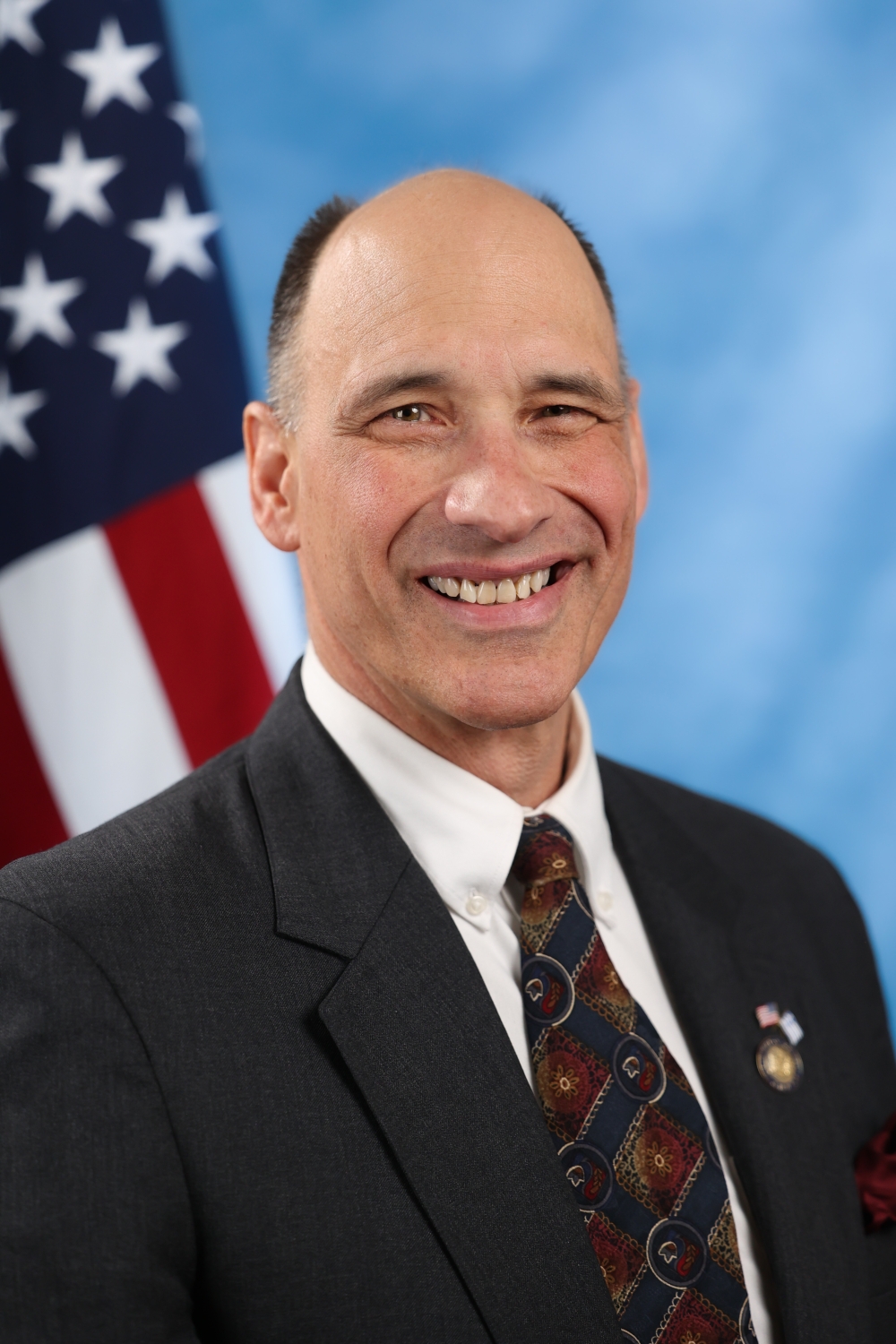
Asm. John Lemondes
Sponsored bills
Waives the registration fee and service charge for distinctive plates for volunteer firefighters and members of volunteer ambulance services where the applicant has attended twenty-five percent or more of the emergency calls for the previous year.
Maddy summaryThis bill requires New York State to establish a program for inspecting indoor air quality in schools and pre-kindergarten facilities. It directly affects all public, charter, private, and parochial K-12 schools and pre-K programs (defined as "covered entities"). Key provisions mandate health department inspections for issues like mold, lead, or poor ventilation; require written complaint investigations; and demand reports comparing air quality to EPA guidelines. The program also requires distributing best practice guides for schools to address hazards like asbestos, radon, and high carbon dioxide levels.
Requires that any rules or regulations promulgated by the department of environmental conservation pursuant to the climate action fund are subject to a vote of the legislature and must be approved by a majority vote prior to implementation.
Establishes a farmers' bill of rights; specifies prohibited unfair trade practices which have the purpose of intentionally impairing a producer's freedom to bargain collectively with other producers in the marketing of the producer's product; provides that the commissioner of the department of agriculture and markets shall take action to restrain such violations upon the application of an association of producers; increases the limit on damages for encouraging or permitting delivery of products in violation of marketing agreements.
Maddy summaryThis bill designates sweet corn as New York's official state vegetable through a simple statutory change. It has no practical policy impact, affects no specific individuals or groups, and serves solely as a symbolic recognition. The bill amends state law to add "sweet corn" as the designated vegetable, with no additional mechanisms or implementation requirements. As a ceremonial measure, it does not alter existing laws or create new obligations. The bill is currently pending in the Governmental Operations committee.
Establishes the parole board accountability act which requires incarcerated individuals who are released on parole, via a vote that is not unanimous, be placed in the community where one of the two board members primarily reside; establishes the procedure of which of the two board member's community the releasee shall be released to.
Enacts the wetlands homeowner's relief act; provides that a homeowner who currently lives within a wetlands designated area shall not have to apply for a building permit for use of land within a fifty foot periphery of the house and garage; provides that new maps may not be issued without prior approval from the legislature; prohibits DEC from delineating wetlands beyond the boundaries shown on official wetlands maps.
Maddy summaryThis bill exempts certain property owners from requiring scaffolding safety measures during building work. Specifically, it removes the obligation for farm owners, owners of single- or two-family homes, and owners of multiple dwellings when they contract work but don't direct or control it (e.g., hiring a contractor for repairs). The change applies only to these owners in the specified scenarios, not to contractors or property owners who manage the work. Safety requirements for scaffolding remain in place for all other cases.
Maddy summaryThis bill requires public high schools to offer hunting, fishing, and outdoor education as a component of physical education courses upon request by 10 or more enrolled students. It mandates that schools provide curriculum covering hunting/fishing seasons, allowable species, license requirements, recreational opportunities, and historical context of these activities. The curriculum must be developed jointly by the education and environmental conservation departments and align with existing licensing course content. This policy directly affects high school students and physical education programs in New York State, adding structured outdoor skills education to existing PE offerings.