

Prohibits the establishment or enforcement of regulations on the percentage of zero-emission vehicles in manufacturers' sales fleets of medium-duty and heavy-duty vehicles until the availability of charging infrastructure, and the cost and availability of zero-emission medium-duty and heavy-duty vehicles makes the sale of such vehicles more practicable.
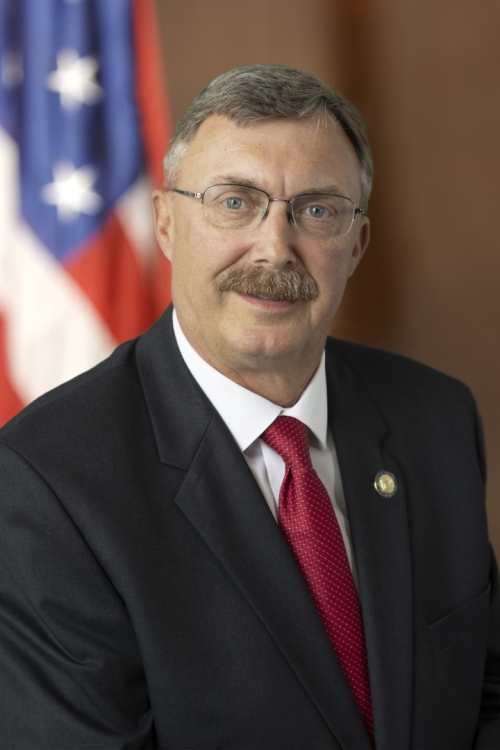
Asm. Brian Miller
Sponsored bills
Maddy summaryThis bill amends New York's penal law to explicitly include "on-duty auxiliary police officers" within the legal definition of assault in the second degree. It directly affects auxiliary police officers by ensuring that injuring them while they're performing duties is treated as assault in the second degree, aligning their protection with that of regular police officers and other first responders. The key change is adding auxiliary officers to the list of protected personnel in the statute, without creating new penalties or altering existing legal standards for assault.
Directs the public service commission to conduct a full cost benefit analysis of the technical and economic feasibility of renewable energy systems in the state of New York and to compare such directly with other methods of electricity generation; makes certain changes relating to greenhouse gas emissions limits.
Requires applicants for registration of hybrid vehicles to submit proof of the make, model and model year of the motor vehicle for which registration is being applied, to the commissioner; establishes that after such proof is submitted, certificates of registration shall display the markings "qualified hybrid vehicle" and such vehicle's US EPA highway fuel economy rating of 45 mpg or more.
Enacts the "ratepayer disclosure and transparency act" which requires a monthly report that includes the estimated or actual ratepayer costs and benefits of any mandated state energy program to the governor and legislature including any New York climate leadership and community protection act compliance costs.
Provides a state income tax exemption for volunteer firefighters and volunteer ambulance workers who have qualifying service in the taxable year for which such exemption is sought.
Includes aggravated threat of mass harm, making a threat of mass harm, aggravated harassment in the second degree, harassment in the first degree, menacing in the third degree, menacing in the second degree, menacing in the first degree, and aggravated harassment in the first degree in being eligible for bail; makes aggravated threat of mass harm and making a threat of mass harm eligible to be considered hate crimes; increases the penalties for aggravated threat of mass harm and making a threat of mass harm.
Relates to enacting the biomass fired exception program providing an exception for certain biomass fired electric generation facilities to the definition of a fossil fuel-fired facility for purposes of a CO2 budget trading program.
Maddy summaryThis bill establishes a new annual spending growth cap for state operating funds, directly affecting the governor and legislature when creating budgets. The cap limits yearly increases in state spending to the average inflation rate from the prior three years (calculated using the Consumer Price Index). It requires the governor to certify budget compliance and gives the comptroller authority to verify limits, with exceptions only for emergencies declared by the governor and approved by a two-thirds legislative vote. The bill does not change the rainy day fund's capacity, as the title's mention of that detail isn't elaborated in the actual provisions.
Permits a school food authority to attribute moneys spent on purchases of food products from New York state farmers, growers, producers or processors made for its school breakfast program to the thirty percent of costs for school breakfast, snack and lunch service programs.