

Requires public institutions and buildings to be equipped with opioid antagonists; directs the commissioner of general services to promulgate regulations to address the appropriate number of opioid antagonists for such buildings based on the size or occupancy of the buildings, the training of personnel and use of opioid antagonists, and any other matter deemed necessary.
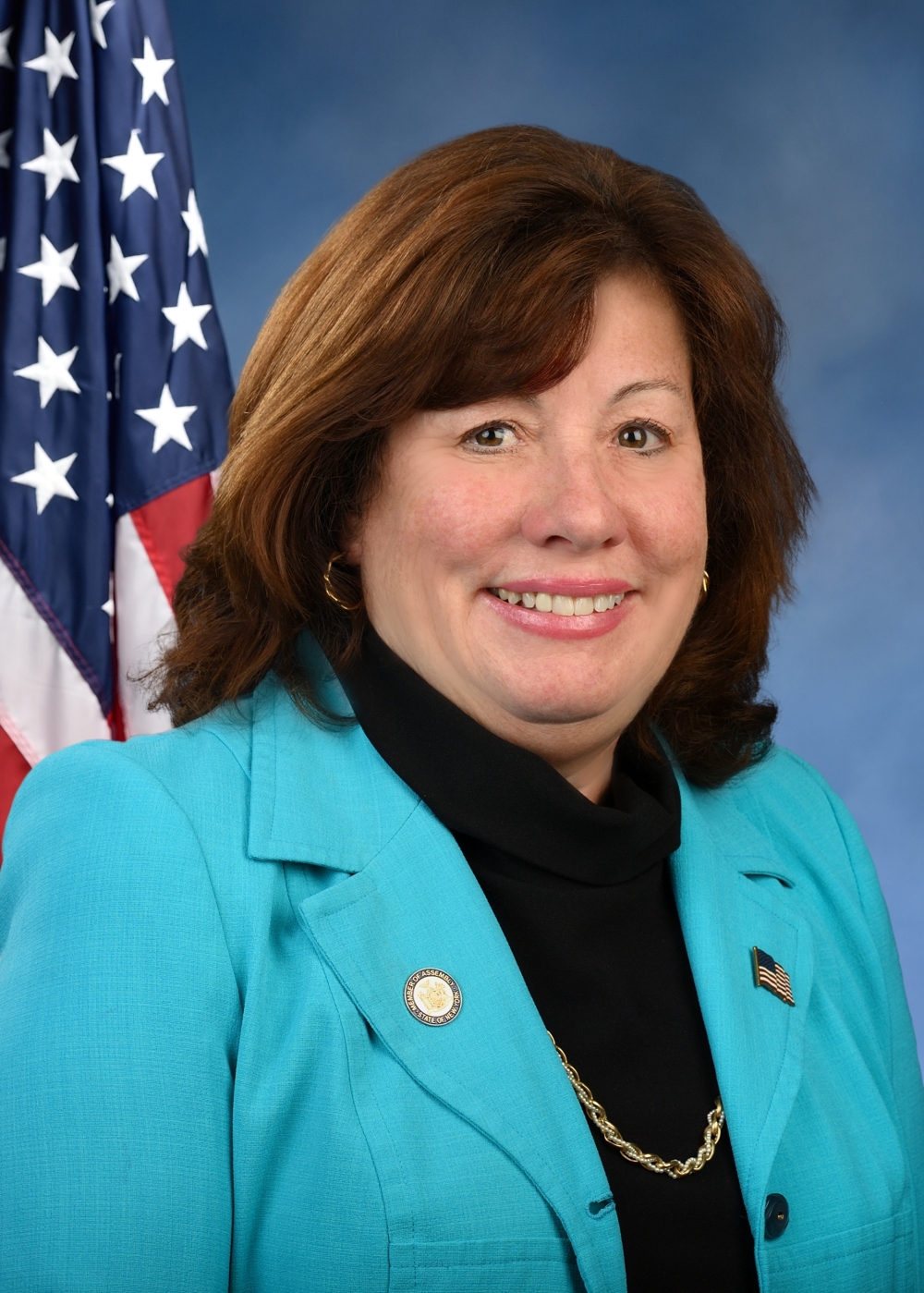
Asm. Marianne Buttenschon
Sponsored bills
Provides that no policy of group accident, group health or group accident and health shall impose copayments for physical or occupational therapy greater than the copay for similar services provided by a physician.
Allows for treatment costing less than $1,500 to be done without prior approval, and more clearly defines the list of "pre-authorized procedures" as a floor on treatment as opposed to its current status as a ceiling; allows non-network providers of testing to be compensated at the provider network rate negotiated by the carrier.
Establishes the New York child data protection act to protect minors from having their personal data accessed; provides exceptions in certain circumstances.
Establishes the Stop Addictive Feeds Exploitation (SAFE) For Kids Act prohibiting the provision of addictive feeds to minors by addictive social media platforms; establishes remedies and penalties.
Requires that a person hold a license, tag or privilege in an electronic or other acceptable format pursuant to regulations for the hunting of deer and bears.
Maddy summaryThis bill protects libraries in New York by banning specific restrictive clauses in contracts between publishers and libraries regarding electronic books and audiobooks. It ensures that libraries can freely lend digital materials to patrons, set their own loan periods, and use technology to secure these loans without interference from publishers. Additionally, the law prevents publishers from charging libraries higher prices than the general public and stops them from limiting how many times a library can loan a specific item. Contracts containing these prohibited restrictions are declared unenforceable, and publishers who violate the bill face potential fines and legal injunctions.
Maddy summaryThis bill creates a real property tax exemption for the primary residences of widows and widowers of police officers who were killed in the line of duty. Under the new law, eligible individuals can receive a fifty percent reduction on their property taxes, though local governments or school districts retain the authority to lower this percentage if they choose. The legislation clarifies eligibility rules for various housing types, including cooperative apartments, and establishes a standardized list of documents to prove a deceased officer's status. Local assessors will use this guidance to determine which properties qualify for the tax break starting the January following the bill's enactment.
Establishes the rural suicide prevention council to identify barriers to mental health and substance use treatment and prevention services and other policies, practices, resources, services, and potential legislation that aim to reduce death by suicide and suicide attempts and acknowledge the demographic and cultural differences in rural communities; makes related provisions.
Maddy summaryThis bill expands the New York veterans tuition awards program to include all resident veterans, regardless of whether they served in active combat. Currently, eligibility is limited to those who served in specific conflicts like the Vietnam or Persian Gulf wars and received certain expeditionary medals. The change removes the requirement for combat service, allowing any New York resident who served in the U.S. armed forces under honorable conditions to qualify for tuition assistance. The program provides funding equivalent to up to eight full-time semesters of study at approved colleges or vocational schools, with the award amount based on the lower of state university tuition or the actual cost charged by the institution.