Establishes the people with disabilities access to programs commission to examine, evaluate and make recommendations for new laws with respect to how the state should streamline eligibility requirements and processes for its programs and services to assist people with disabilities.
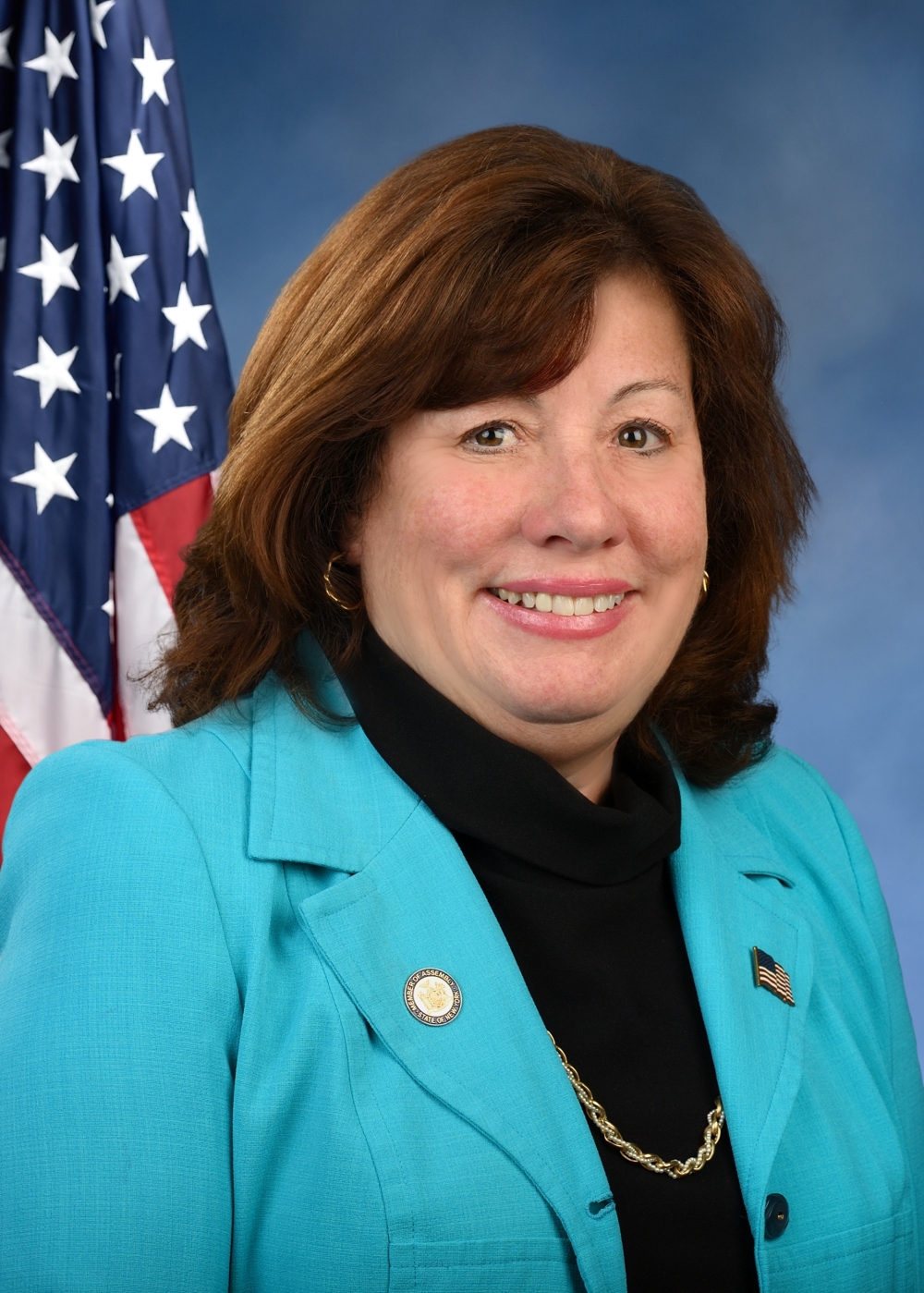
Asm. Marianne Buttenschon
Sponsored bills
Maddy summaryThis bill requires the State University of New York and the City University of New York to create plans by June 2025 for offering approved experiential learning activities to students starting in the 2025-2026 academic year. These plans must be developed with input from faculty, student groups, and other stakeholders, and they need to outline how such activities will be supervised, assessed, and managed by external hosts like businesses or nonprofits. Additionally, the bill directs each college to evaluate whether making these hands-on experiences a graduation requirement is feasible, considering factors like community support, workforce impact, and potential delays in student graduation. The legislation also mandates that colleges collect and report data related to these learning activities to track their implementation and effectiveness.
Maddy summaryThis bill requires food service establishments in New York to display specific notices about food allergies and intolerances for both staff and customers. The state health department must provide these notices in English and the twelve most common non-English languages spoken by limited-English proficient individuals in the state. Restaurants and online ordering platforms must post these notices in conspicuous locations and include clear instructions on how to notify staff of allergies, prevent cross-contact, and handle allergic reactions. Additionally, menus must feature a standardized statement asking customers to disclose any food allergies or intolerances, with translations available for non-English menus. Failure to comply with these requirements can result in a civil penalty of up to $125 for each violation.
Directs all state agencies to designate a veterans' liaison to provide information and assistance to veterans regarding benefits and services available to veterans within the various state agencies.
Maddy summaryThis bill updates New York's school safety laws to require districts to create detailed, confidential site maps for emergency responders and provides state funding to cover the cost of producing these maps. The maps must include floor plans, aerial imagery, and specific labels for hazards and utilities in a digital format that works with existing law enforcement and school security software without requiring new purchases. Additionally, the legislation authorizes the state to offer extra financial aid to school districts for purchasing security devices like stationary metal detectors and cameras, provided these items are included in the district's approved safety plan. By standardizing how emergency data is shared and funded, the bill aims to ensure first responders have accurate, up-to-date information during crises while maintaining the confidentiality of sensitive school layouts.

Relates to establishing a twenty year retirement plan for members or officers of law enforcement; includes every non-seasonally appointed sworn member or officer of the division of law enforcement in the department of environmental conservation, a forest ranger in the service of the department of environmental conservation, a police officer in the department of environmental conservation, the regional state park police, and university police officers in such twenty year plan.
Establishes "The Bart Law"; requires a hyperbaric oxygen therapy pilot program to treat veterans suffering from traumatic brain injuries and post-traumatic stress disorder.
Authorizes treatment of workers' compensation injuries by an occupational therapy assistant and a physical therapy assistant; directs certain records to be retained.
Enacts the "dialogue and decorum act" which establishes the crime of disruption or disturbance of a lawful assembly; makes such crime an unclassified misdemeanor.
Maddy summaryThis bill requires colleges and universities to run education campaigns informing students, faculty, and staff about the 9-8-8 suicide and crisis lifeline and the crisis text line. Under the law, these institutions must include contact information for these services on student identification cards or distribute the details annually to those who do not have cards. The mandate takes effect on July 1, 2025, and applies to any student ID issued, modified, or altered on or after that date.