

Maddy summaryThis bill allows municipalities to offer a 5% real property tax exemption for primary residences owned by National Guard members or reservists. It defines "qualified owner" as active or retired military personnel and requires annual applications with military service verification. The exemption applies only to residential property used as a primary home (excluding non-residential portions) and cannot be combined with other military tax benefits. Municipalities must choose to adopt this option locally through their own ordinances.
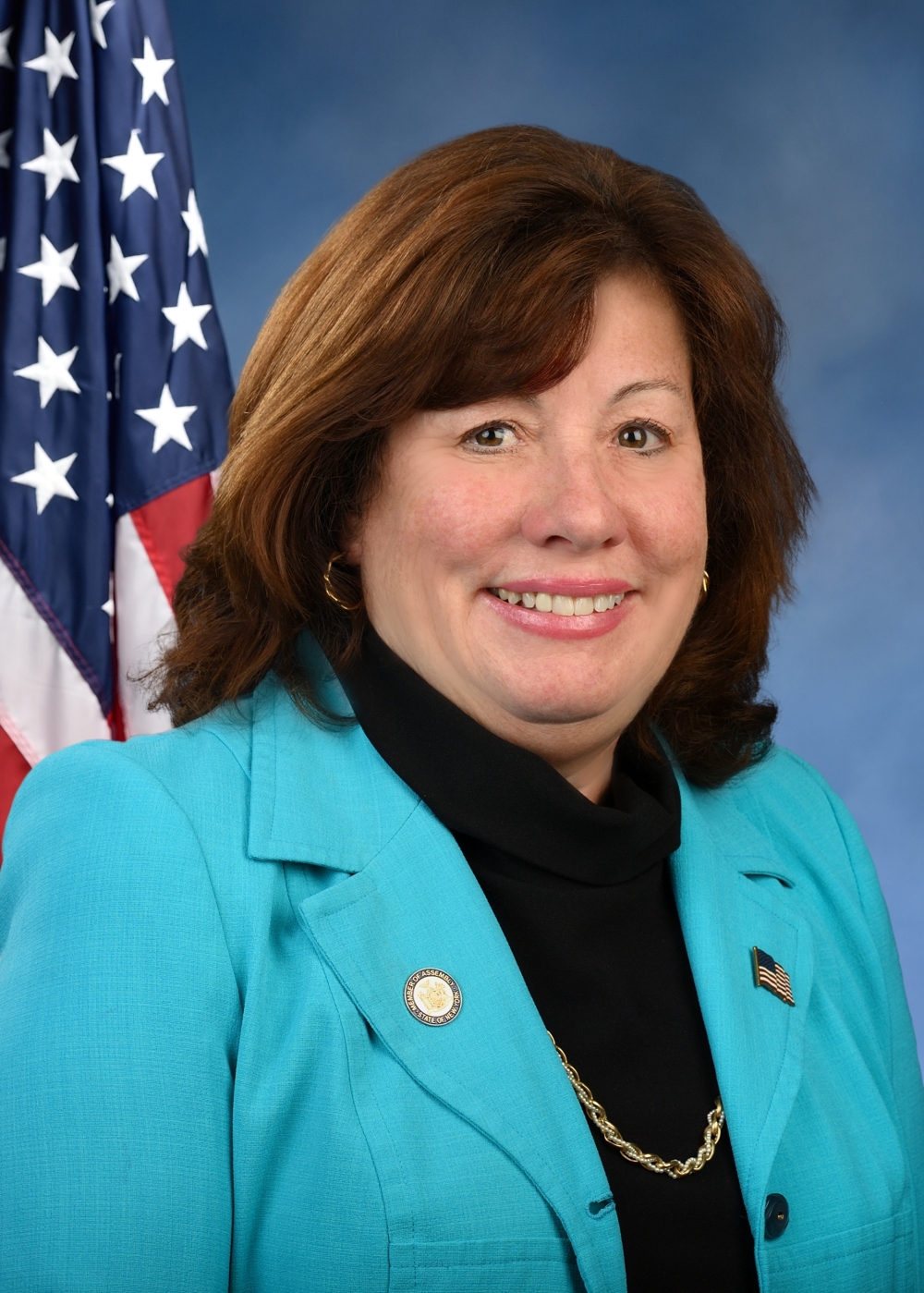
Asm. Marianne Buttenschon
Sponsored bills
Maddy summaryThis bill increases weekly financial benefits for volunteer firefighters and ambulance workers injured in the line of duty. It raises permanent total disability payments from $600 to $1,200 per week and updates temporary total disability rates, with the current rate at $800 per week for injuries occurring after July 2025. Permanent partial disability payments also increase, with rates rising from $95 to higher amounts depending on the injury date. The changes apply directly to volunteers who suffer work-related injuries affecting their ability to work. The bill amends Sections 8, 9, and 10 of the Volunteer Firefighters' Benefit Law.
Enacts the "consumer utility meter choice protection act"; allows customers to decline the installation of smart meters without being liable for fees.
Lowers the blood alcohol concentration required for driving while intoxicated from .08 of one per centum to .05, and for aggravated driving while intoxicated from .18 per centum to .12.
Exempts the sale of fire extinguishers, smoke alarms, heat sensors and carbon monoxide detectors for residential use only from state sales and compensating use taxes.
Maddy summaryThis bill exempts lemonade stands operated by people under 16 years old from needing health department permits. It clarifies that such stands are not considered "temporary food establishments" under New York City health regulations (title 10 NYCRR chapter 14). The exemption applies immediately, removing a regulatory requirement for young vendors selling homemade drinks. This directly affects minors running informal lemonade stands, eliminating the need for permit paperwork under current health rules.
Enacts the "small business fairness act" to permit a business that has been ordered to cease or limit operations pursuant to an executive order due to a declared state disaster emergency to continue or resume operations if the products sold or services offered by the business are also available at a business that has not been required to cease or limit operations by the executive order or an order of the health department.
Maddy summaryThis bill creates the New York State Office of Gun Violence Prevention and a Gun Violence Advisory Council. The office will coordinate state, local, and federal efforts to prevent gun violence, centralize grant funding, improve data collection on firearm injuries, and run public education campaigns. It requires an annual report to the governor and legislature on gun violence trends and prevention strategies. The advisory council, including survivors, healthcare providers, community leaders, and law enforcement, must advise the office quarterly. The bill directly affects all New Yorkers by establishing a dedicated state agency focused on data-driven prevention and community collaboration.
Provides that the owner of a hazard vehicle service or of a taxicab, livery, bus, coach, limousine, van or wheelchair accessible van service, who has permitted an employee to operate such a vehicle when such employee has not been issued a valid state driver's license or whose license has been suspended or revoked shall have their business license suspended for thirty days.
Maddy summaryThis bill requires businesses that enable phone number spoofing (displaying a fake caller ID) to keep detailed records of all calls using their services. Businesses must document the fake number shown to recipients, the actual phone number or IP address used, and the call's time, date, and duration. It directly affects telecom and call service providers offering spoofing capabilities, not individual callers. The records will create a verifiable trail for law enforcement to trace spoofed calls when needed.