

Relates to procedures relating to driving while ability impaired by drugs; defines impairment and intoxication; updates procedures for field testing of drivers suspected of being under the influence of drugs to include the use of oral/bodily fluid tests; provides that refusal to submit to such field tests is specified to be a traffic infraction; makes related provisions.
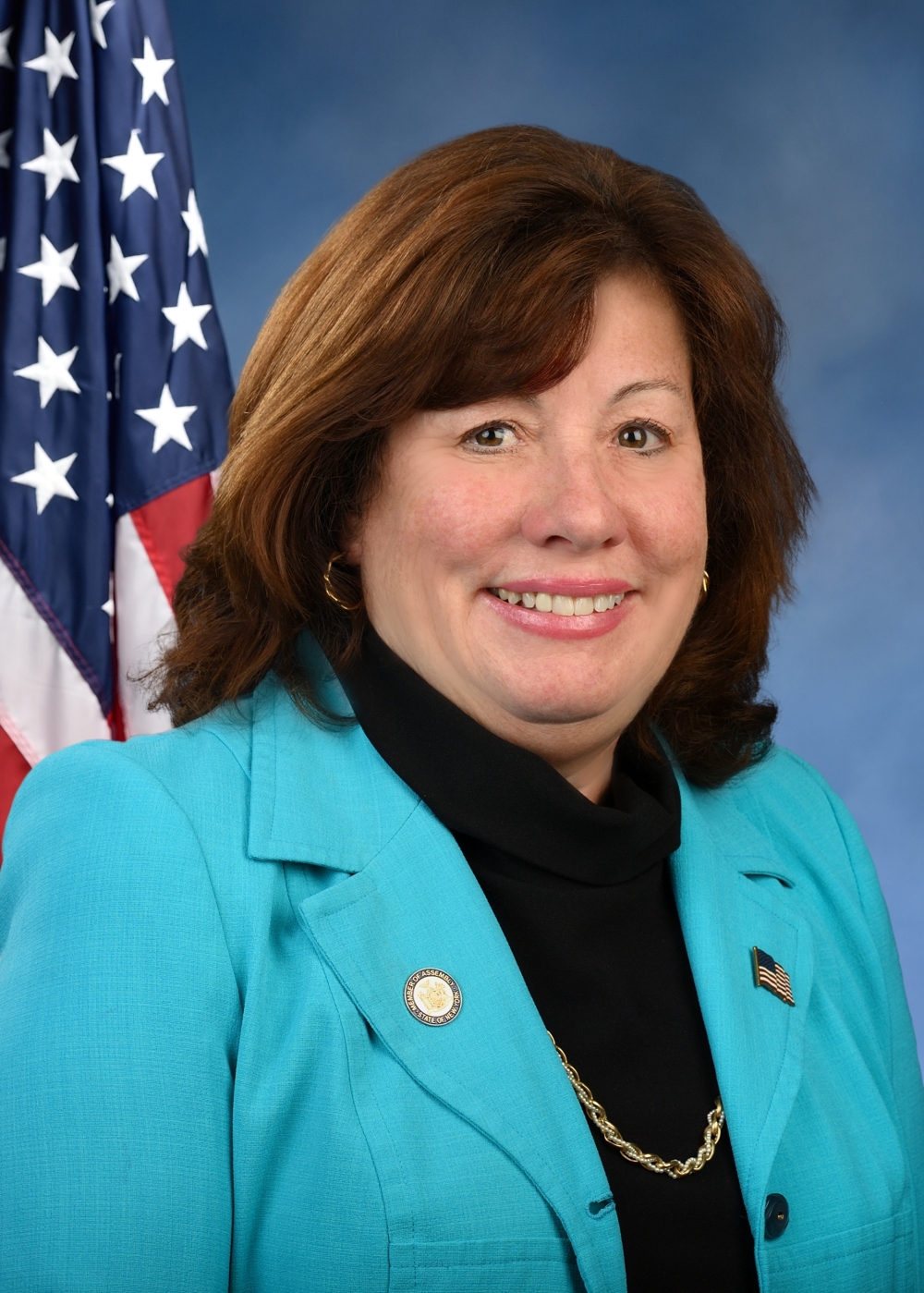
Asm. Marianne Buttenschon
Sponsored bills
Prohibits the use of cannabis within thirty feet of a child or within thirty feet of any location in which children reside or attend for any recreational or educational purpose; provides for increased penalties for a second or subsequent violation.
Maddy summaryThis bill prohibits the public disclosure or publication of the home address or unpublished home telephone number of any active or retired judge or prosecutor, including their spouse or child. It creates two new criminal offenses: a misdemeanor for reckless disclosure (Section 250.61) and a felony for intentional disclosure (Section 250.62). Violators face civil penalties of at least $1,000 per violation, plus damages, attorney fees, and possible punitive damages under the new Civil Rights Law Section 50-h. The law applies to individuals, businesses, and associations sharing this information online or otherwise under circumstances likely to cause harassment or harm.
Maddy summaryThis bill (A 3589, "Protects library access to electronic literary materials") bans restrictive clauses in contracts between publishers and libraries for electronic literary materials (e-books and digital audiobooks). It specifically prohibits terms that limit libraries' core functions, such as restricting loans, limiting preservation copies, or controlling loan periods. The law applies to licensing agreements for literary monographs (single-volume works) and declares such prohibited terms unenforceable, with libraries able to seek remedies under state law. It does not apply to contracts between libraries and aggregators (companies licensing multiple publishers' collections).
Maddy summaryThis bill creates a new class A-1 felony offense for unlawfully selling or transporting an opiate controlled substance (as defined by public health law) that causes another person's death. It directly affects individuals who sell or transport opiates (like heroin or fentanyl) when such actions result in fatalities. The law includes a limited defense if the defendant jointly used the substance with the deceased for mutual consumption. The offense carries the highest felony penalty under New York law, with the bill named "Laree's Law" in recognition of opioid-related deaths.
Establishes that a person is guilty of arson when such person damages a building or motor vehicle by fire or explosion in the course of the commission or attempted commission of a felony.
Directs telecommunications and cable corporations to provide call center service assistance from centers located within the state and such corporations' service areas; includes a list of what services must be provided.
Allows credit unions, savings banks, savings and loan associations and federal savings associations to accept and secure deposits from municipal corporations.
Designates the "Honor and Remember Flag" as the official state flag for recognizing armed service members who have died as a result of serving the United States in any war or conflict the nation has been involved in since its inception.
Maddy summaryThis bill authorizes hospitals, home care agencies, physicians, and emergency medical services (EMS) to form collaborative programs focused on community paramedicine. It allows these partnerships to provide preventive care in community settings - such as managing chronic conditions (e.g., diabetes, hypertension) and reducing avoidable emergency room visits and hospital admissions - instead of relying solely on emergency transport. The law enables state funding (like grants or rate adjustments) and regulatory flexibility to support these initiatives, while requiring collaboration among the specified partners. It directly affects healthcare providers and at-risk patients, aiming to improve care coordination and reduce costs through proactive community-based services.