

Maddy summaryThis bill expands New York's START-UP NY program to include medical primary care services, such as clinics offering routine check-ups and basic treatments. Previously excluded, primary care providers (e.g., community health centers) can now qualify for the program’s tax incentives and benefits. The change modifies eligibility rules in the Economic Development Law to remove the prior exclusion of primary care practices. This affects medical providers seeking to establish or grow operations on state university campuses, though specific campus exceptions remain unchanged.
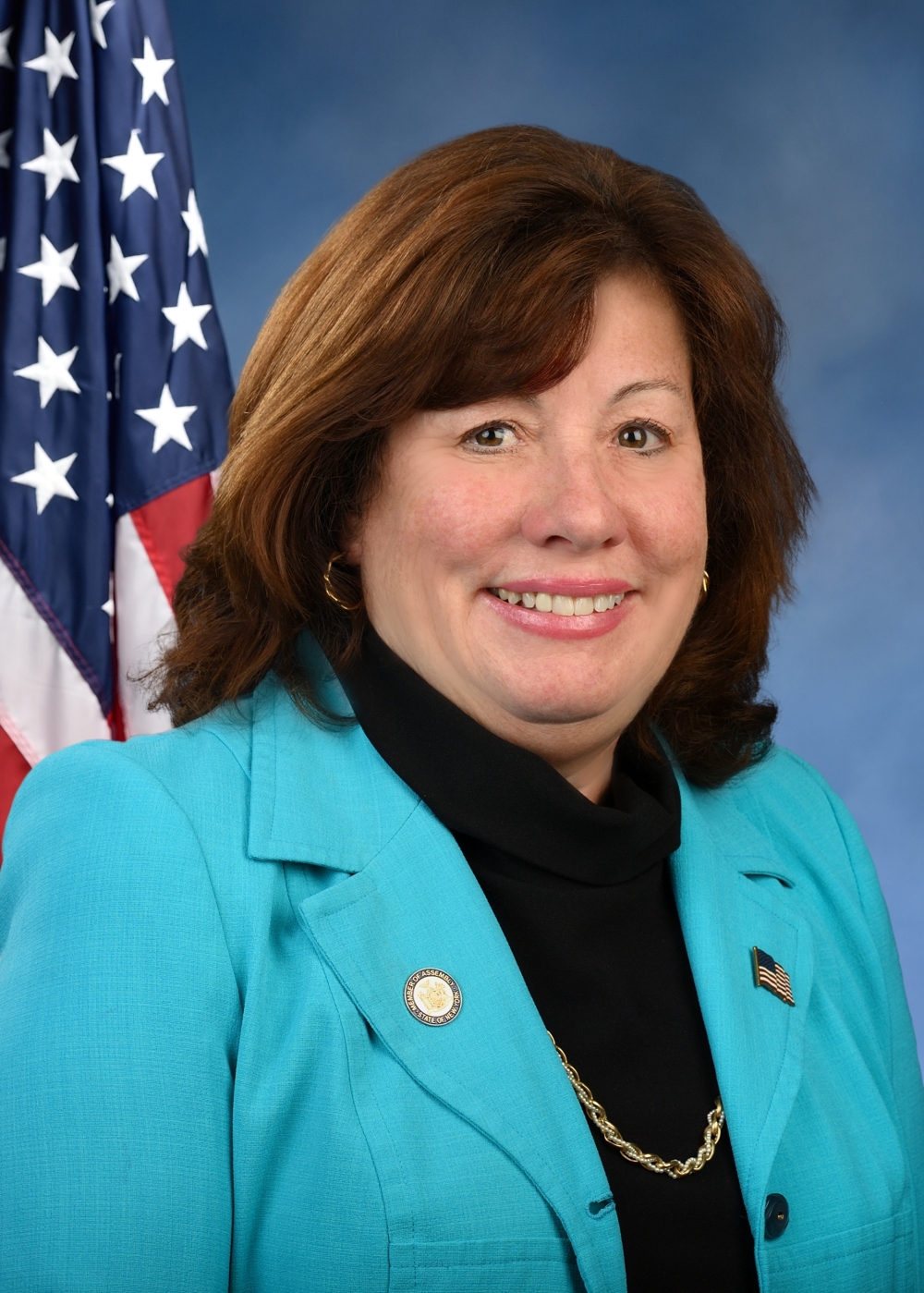
Asm. Marianne Buttenschon
Sponsored bills
Adds employees of the office of children and family services to the list of public employees for which prevention of duties constitutes assault in the second degree.
Relates to creating a committee to study ways to reduce the length of standardized tests and increase the test's transparency; directs the committee to submit a proposal to the board of regents.
Maddy summaryThis bill waives application fees for veterans applying to State University of New York (SUNY) schools. Eligible veterans must provide proof of veteran status and eligibility for benefits to receive the fee exemption. The law directly affects veterans seeking admission to SUNY institutions by removing a financial barrier during the application process. The provision applies to all SUNY campuses and requires veterans to submit documentation verifying their eligibility.
Maddy summaryThis bill allows cities, towns, and villages in New York to purchase homes located in flood-prone areas. Municipalities may buy such properties at pre-flood market value, demolish structures on them, and convert the land into public open space. Homeowners aren't forced to sell but may need to elevate buildings on their property as an alternative to relocation. The bill covers standard purchase costs (appraisals, closing fees) while requiring sellers to clear mortgages and cover moving expenses.
Reduces the period of notice required to be given when a written demand for rent is served on a tenant after the tenant has defaulted in the payment of rent and the period of notice to be given serving a warrant issued pursuant to a final judgment of eviction from fourteen days to seven days.
Increases the maximum amount of individual awards for the physician loan repayment program and physician practice support program to encourage physicians to practice in underserved areas.
Maddy summaryThis bill requires New York State and city universities to grant academic credits to veterans without fees or tuition for military training courses meeting American Council on Education standards. It directly affects veterans enrolled full-time as undergraduates in good standing at state or city university systems. Key provisions mandate that institutions award unlimited credits toward degrees for qualifying military training, eliminating any cost to veterans for these credits. The law applies to veterans who served honorably in active military service or are part of New York's National Guard or Naval Militia.
Maddy summaryThis bill raises penalties for assaulting certain public safety personnel in New York. It specifically increases second-degree assault on police officers, peace officers, firefighters, EMTs, sanitation workers, and other essential service workers from a class D felony to a class C felony (up to 15 years in prison). The law expands protections to include these workers when they're performing official duties, such as a sanitation worker enforcing regulations or a firefighter providing medical aid. It also upgrades aggravated assault on officers to a class A felony (up to 25 years). The bill applies directly to individuals who cause physical injury to these protected personnel while they're carrying out their jobs.
Creates 10 interagency placement committees throughout the state to recommend treatment and rehabilitation programs or strategies for youths with co-existing mental disabilities; directs such committees to establish a process by which youths can be referred to such committees; directs such committees to submit a report annually to the governor and legislature identifying gaps in treatment and rehabilitation options, and any plans or recommendations to increase such options.