

Maddy summaryThis bill (A 10085) raises the income eligibility cap for New York's Excelsior Scholarship program from $125,000 to $150,000 for academic years starting in 2026-2027 and beyond. It directly affects students applying for the scholarship who must meet income requirements based on their adjusted gross income (including parents' or spouse's income). The key provision increases the maximum income threshold for qualification, expanding access to the scholarship for higher-income students who previously exceeded the limit. This change applies to all future academic years after 2025-2026, as specified in the bill's text.
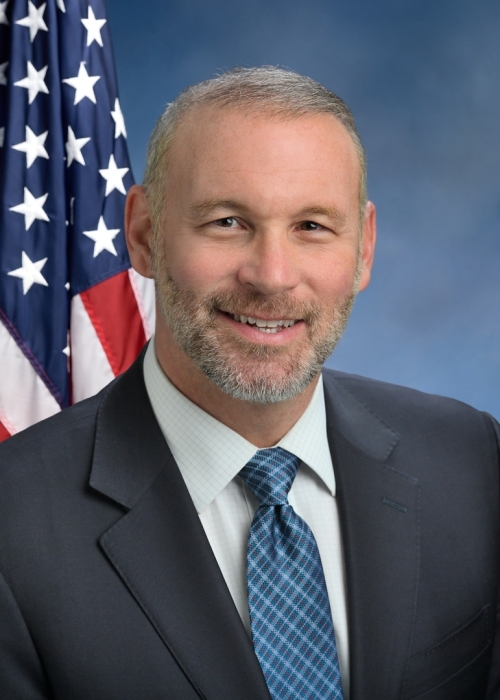
Asm. Steve Stern
Sponsored bills
Establishes a private right of action for any person whose personally identifying information was intentionally disclosed by another individual, without consent, for the purpose of harassing, threatening, intimidating, or causing harm to such person, or with reckless disregard as to whether such disclosure would cause such harm; defines personal information.
Enacts the "licensed funeral arranger act" under which a "licensed funeral arranger" license allows a funeral arranger to perform all acts permitted to a funeral director except embalming or any preservation of the body of a deceased person requiring embalming; creates a registration process under which registered transporters facilitate the removal and transportation of the bodies of deceased persons.
Enacts the climate and community investment act; prioritizes the allocation of public investments in disadvantaged communities; addresses climate change challenges through the expansion and growth of clean and renewable energy sources; adopts best value requirements for the solicitation, evaluation and award of renewable energy projects; establishes a community just transition program; establishes a climate pollution fee and a household and small business energy rebate; creates the climate and community investment authority.
Authorizes the New York Liquidation Bureau to establish a program to evaluate and reimburse eligible local educational agencies for monetary liabilities arising from civil claims or settlement agreements related to certain acts that occurred during a period covered by a liability insurance policy issued by an insolvent insurer.
Provides for the filling of vacancies in the office of lieutenant-governor by appointment of the governor subject to confirmation by majority vote in the senate and majority vote in the assembly.
Maddy summaryThis bill amends the state constitution to allow the legislature to adjust the number of justices on the supreme court in any judicial district. It sets a population-based limit: the number of justices cannot exceed one per 50,000 residents (or any fraction over 30,000) based on the latest census. The legislature may also reduce justices, but not below the current number in any district. The proposed change requires voter approval in the 2026 general election.
Maddy summaryThis bill proposes a constitutional amendment to limit the governor and lieutenant-governor to three terms in office. It specifies that any terms served before the amendment takes effect will not count toward this limit, and individuals who have served three terms would be bypassed in the line of succession. The bill does not apply to the comptroller or attorney-general, as those positions are only mentioned in the title but not covered in the proposed constitutional text. This is a proposed amendment currently under review by the Judiciary Committee.
Maddy summaryBill A 7641 proposes an amendment to the state constitution concerning absentee voting. Currently, qualified voters can vote absentee if they are absent from their county or city, or due to illness or physical disability. This bill would add "religious observance" as an additional reason for voters to cast an absentee ballot. This change would allow individuals whose religious practices prevent them from voting in person on election day to still participate in elections.
Requires parity in the mental and physical health treatment of the residents of New York state; provides that both mental and physical health "will be matters of public concern and provision therefor shall be made by the state and by such of its subdivisions".