

Maddy summaryThis bill designates June 13, 2026, as Dragonfly Day in New York to raise public awareness about the importance of dragonflies as indicators of wetland health. The resolution highlights how dragonflies help control mosquito populations and serves as a symbol for the need to protect wetland ecosystems from pollution and development. It emphasizes that healthy wetlands provide essential services like flood control and water filtration, urging the state to support nature-based solutions for climate resilience. The bill does not create new laws or funding but aims to encourage greater public attention on preserving these critical habitats.
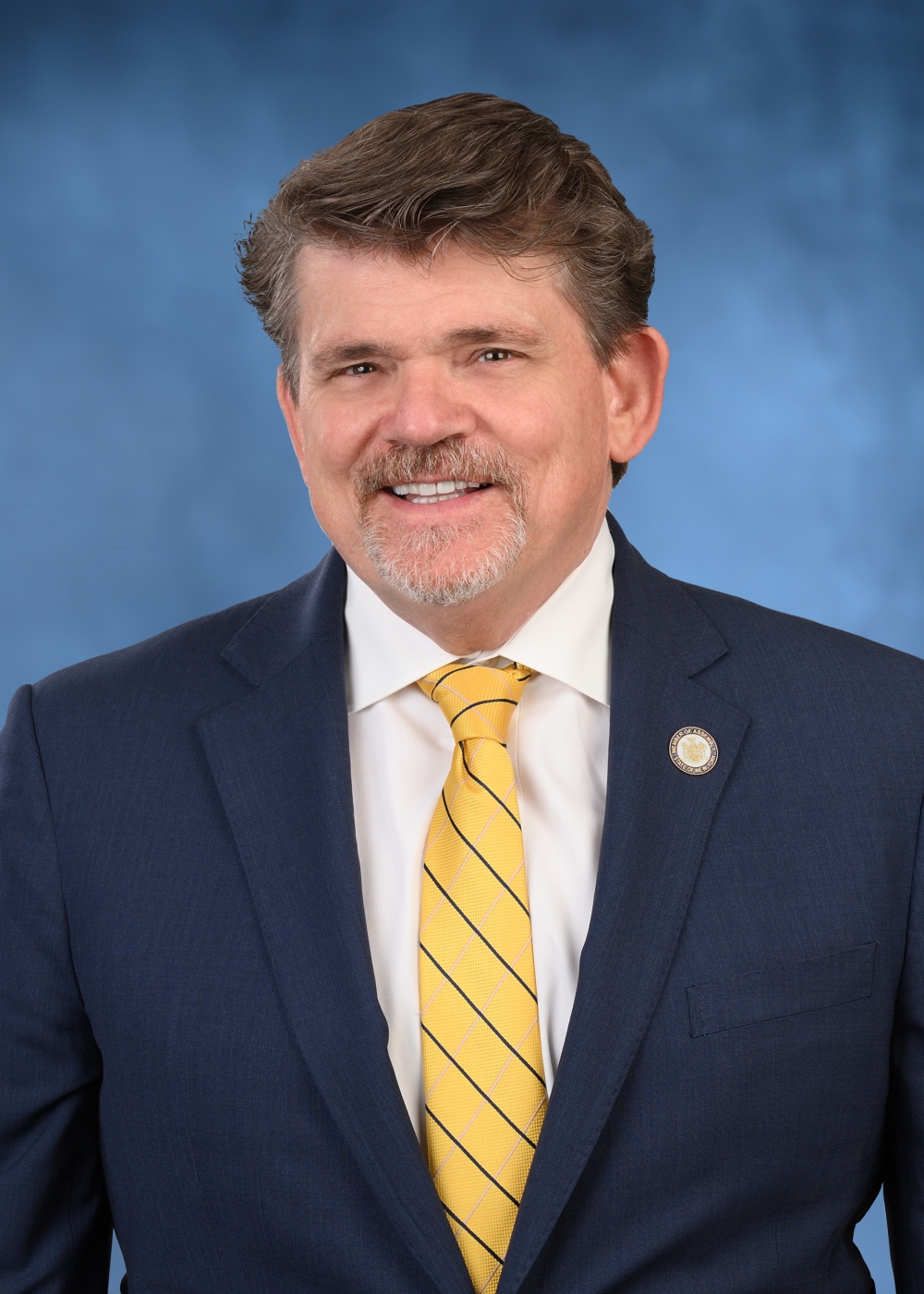
Asm. Tommy John Schiavoni
Sponsored bills
Maddy summaryThis bill updates the legal definition of tidal wetlands to explicitly include areas within the marine and coastal district. By amending the Environmental Conservation Law, it clarifies that these wetlands encompass specific features like banks, salt marshes, and swamps that border or lie beneath tidal waters. The change ensures that lands currently or formerly connected to tidal action in this district are recognized under the existing wetland protections. This adjustment affects how environmental regulations are applied to these specific coastal areas without altering other parts of the law.
Provides that beginning in the 2026-2027 academic year, certain graduate students shall be required to pay 25% of all current and future mandatory university fees; provides that in the 2027-2028 academic year and thereafter, no mandatory university fees shall be charged to certain graduate students and adjunct staff, with the exclusion of the graduate student association student activity fee.
Provides that public officers and employees of the state who are members of the United States Air Force Auxiliary Civil Air Patrol or the United States Coast Guard Auxiliary Pilots shall be granted leave from work with pay to participate in emergency services during certain air force assigned missions.
Establishes maximum contaminant levels in drinking water for certain per- and polyfluoroalkyl substances (PFAS); sets such levels at no higher than 4 parts per trillion (ppt) for perfluorooctane sulfonic acid (PFOS) and perfluorooctanoic acid (PFOA) and no higher than 10 parts per trillion (ppt) for perfluorononanoic acid (PFNA), perfluorohexane sulfonate (PFHxS), and hexafluoropropylene oxide dimer acid (HFPO-DA).
Establishes an indirect source review for heavy distribution warehouse operations; requires the department of environmental conservation to conduct a study regarding zero-emissions zones.
Provides that certain purchase contracts to purchase food can be awarded to a qualified bidder who fulfills certain values based procurement standards when such bid is not more than 10% higher than the lowest responsible bidder and when the bidder makes publicly available data on where such bidder sources their food items; sets forth the criteria for values based procurement standards to include local economies, environmental resilience, racial equity, valued workforce, valued agricultural sector, animal welfare, and nutrition.
Maddy summaryThis bill prohibits the sale, offer for sale, or distribution of polystyrene foam docks, buoys, and floating structures in the state starting January 1, 2027. It directly affects businesses that manufacture, sell, or distribute these products, including manufacturers of foam docks and retailers. The law bans items made with expanded polystyrene foam, extruded polystyrene foam, or rigid polystyrene, covering structures like boat docks, navigation markers, and recreational platforms. The prohibition applies to all sales and distribution within the state, with no exceptions specified. The bill defines key terms like "dock" and "floating structure" to clarify its scope.
Maddy summaryThis bill updates the statewide goal for service-disabled veteran-owned business enterprises to secure eight percent of state contracts, increasing the current target of six percent. The change directly affects state procurement departments and veteran-owned businesses by raising the participation benchmark they are expected to meet. By amending the veterans' services law, the legislation sets a new numerical target for future contract awards without altering the underlying process for selecting vendors.
Requires that companies contracting with the state do not contribute to tropical forest degradation or deforestation directly or through their supply chains.