

Maddy summaryThis bill allows New York state retirement system members to earn up to three years of service credit for qualifying military service, including state active duty ordered by the governor. It applies to members who were honorably discharged, have a qualifying condition under veterans' law, or are discharged LGBT veterans with non-dishonorable discharges. The credit covers both federal military service and state-ordered active duty (like National Guard activations under governor's call). This directly affects state employees who served in the military, potentially increasing their retirement benefits by counting that service toward their total years.
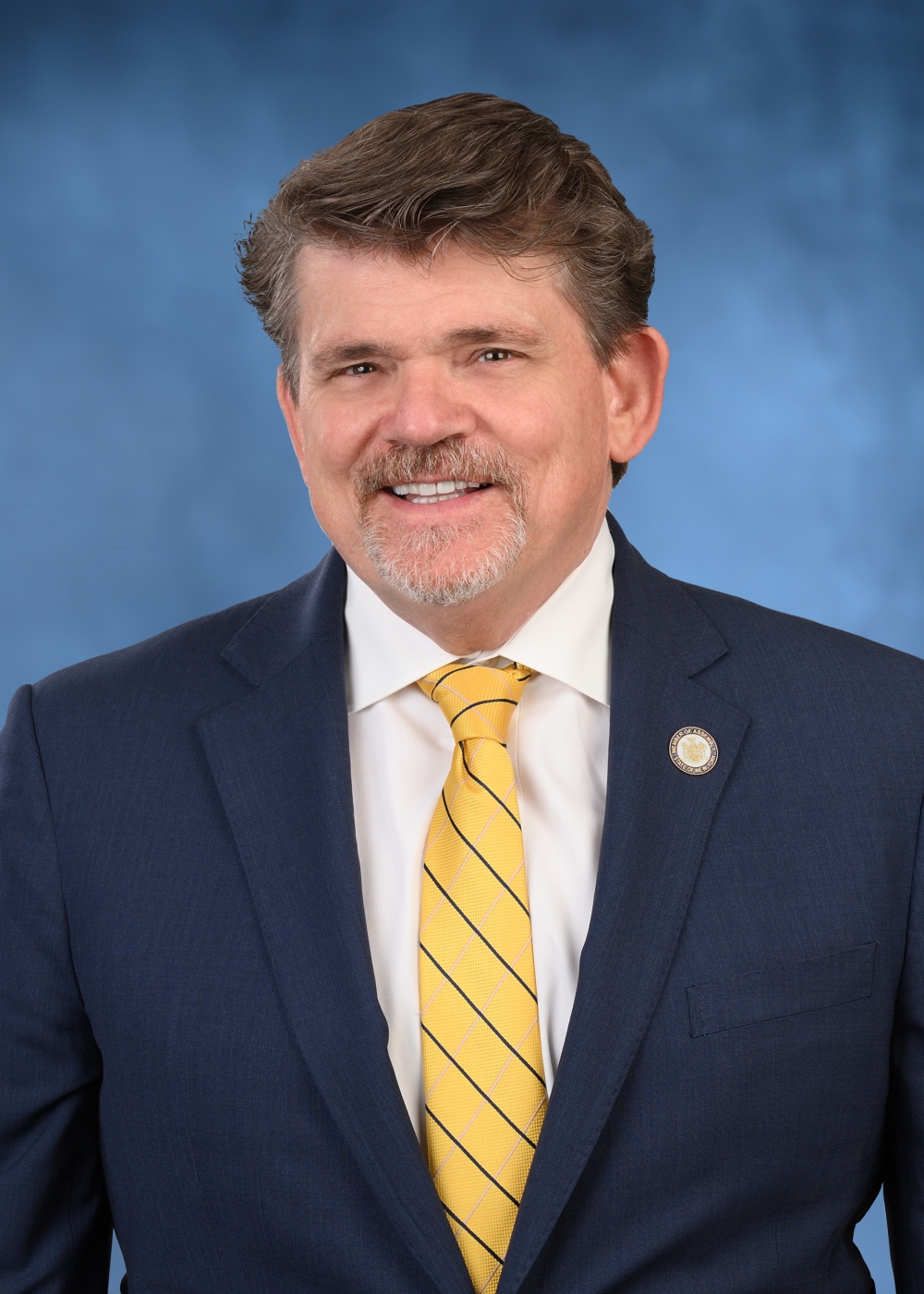
Asm. Tommy John Schiavoni
Sponsored bills
Authorizes the New York state environmental facilities corporation to award grants and loans to community water systems and non-community water systems for water quality projects that relate to the removal of perfluoroalkyl and polyfluoroalkyl substances (PFAS).
Maddy summaryBill A 8425 directs the New York State Department of Veterans' Services to conduct a comprehensive study on veterans' employment opportunities and incentives within the state. The study will involve consulting with several state agencies and veteran organizations. It aims to review the current system for awarding civil service credit to veterans, analyze potential new criteria for these credits, and assess existing employment protections. The bill also focuses on methods to help veterans, including those recently displaced from federal employment, transition into state employment and recommends additional incentives for employers to recruit and retain veteran employees. A report detailing the findings and recommendations must be submitted by December 31, 2027.
Relates to additional apportionment of building aid for certain projects; defines an eligible school construction project as one that is entirely funded from capital outlays and has a total project cost of two hundred fifty thousand dollars or less.
Directs the New York state energy research and development authority to establish a ride clean rebate program for electric assist bicycles and electric scooters; defines terms; provides a fifty percent rebate for eligible purchases.
Provides that a voter may register to vote at any residence to which the voter maintains a continuous connection with an intent to return, including a second home or a vacation home or a home where a student lives while attending a college or university.
Maddy summaryThis bill increases tax credits for installing geothermal energy systems. It raises the maximum credit to $10,000 for systems placed in service on or after July 1, 2025 (up from $5,000 before June 2025). It also adds refundability for qualifying low-income taxpayers or those in disadvantaged communities, allowing excess credits to be refunded instead of carried forward starting in 2026. The policy directly affects homeowners and businesses installing geothermal systems, providing greater financial incentives for adoption.
Relates to school climate and codes of conduct on school property and disciplinary action following violation of such codes of conduct; makes conforming amendments.
Provides for securities fraud whistleblower incentives and protections; defines terms; grants whistleblower awards for one or more whistleblowers who voluntarily provide original information to the attorney general that was the basis for a successful covered enforcement action; protects whistleblowers from retaliation; authorizes the attorney general to adopt any necessary rules and regulations; makes related provisions.
Maddy summaryThis bill prohibits the use of grade 4 fuel oil (a specific type of heavy fuel oil classified under ASTM D396-15c) in all buildings and facilities across the state after July 1, 2030. It directly affects commercial, industrial, and residential properties that currently rely on this fuel for heating or energy. The key provision sets a clear deadline for the phaseout, while allowing municipalities to adopt stricter local regulations if desired. The bill does not require immediate replacement but mandates a transition to alternative fuels or systems by the 2030 deadline. This is a substantive environmental regulation focused on reducing emissions from a specific fuel source.