Issue · Transportation

Transportation

Every transportation bill, vote, and legislator stance in New York, automatically classified by Maddy, our AI policy reader.

Total bills
1,222
2025 Regular Session
Top supporter
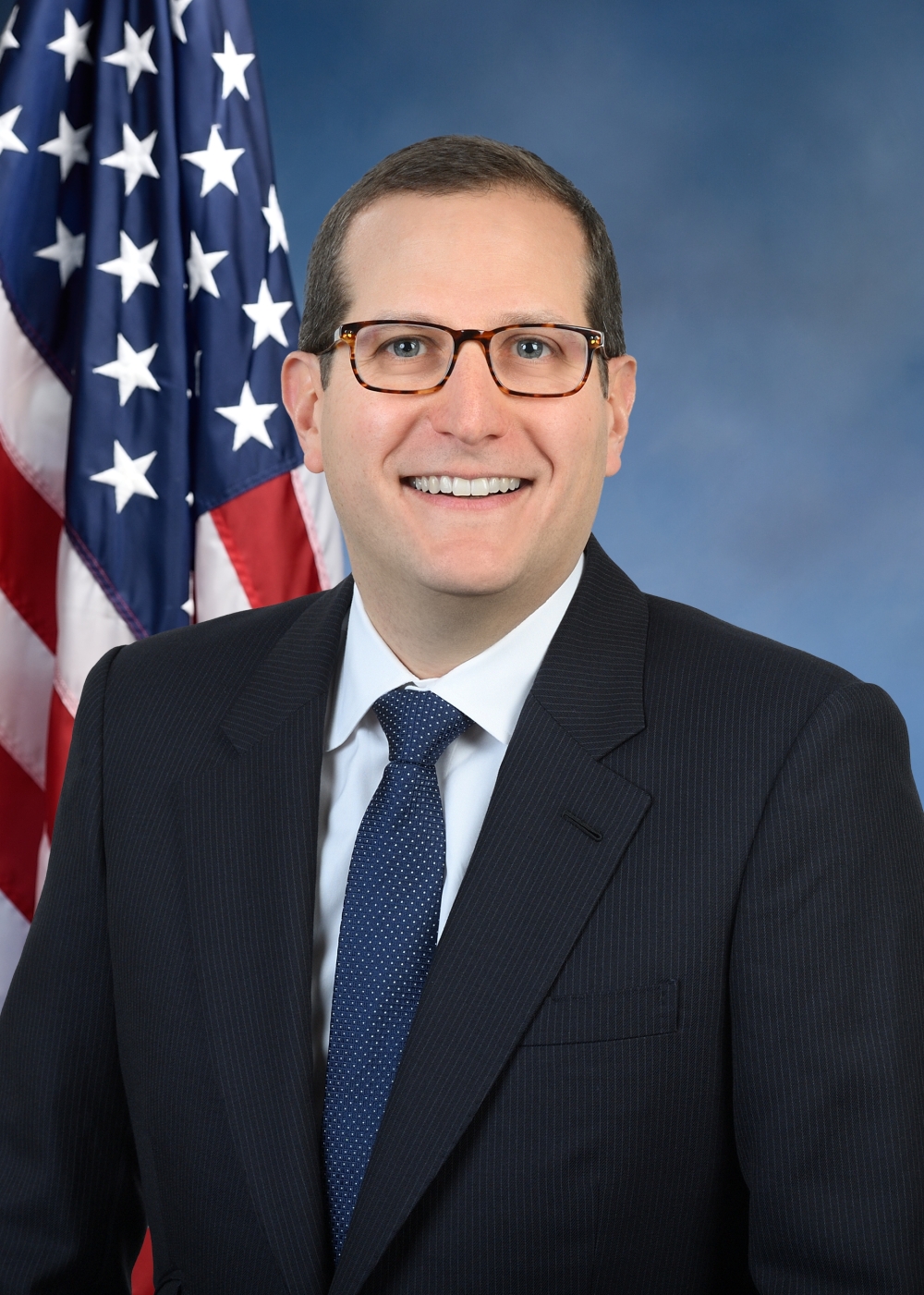
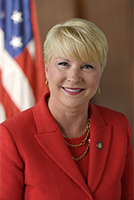
Micah Lasher
100% support rate
Top opponent
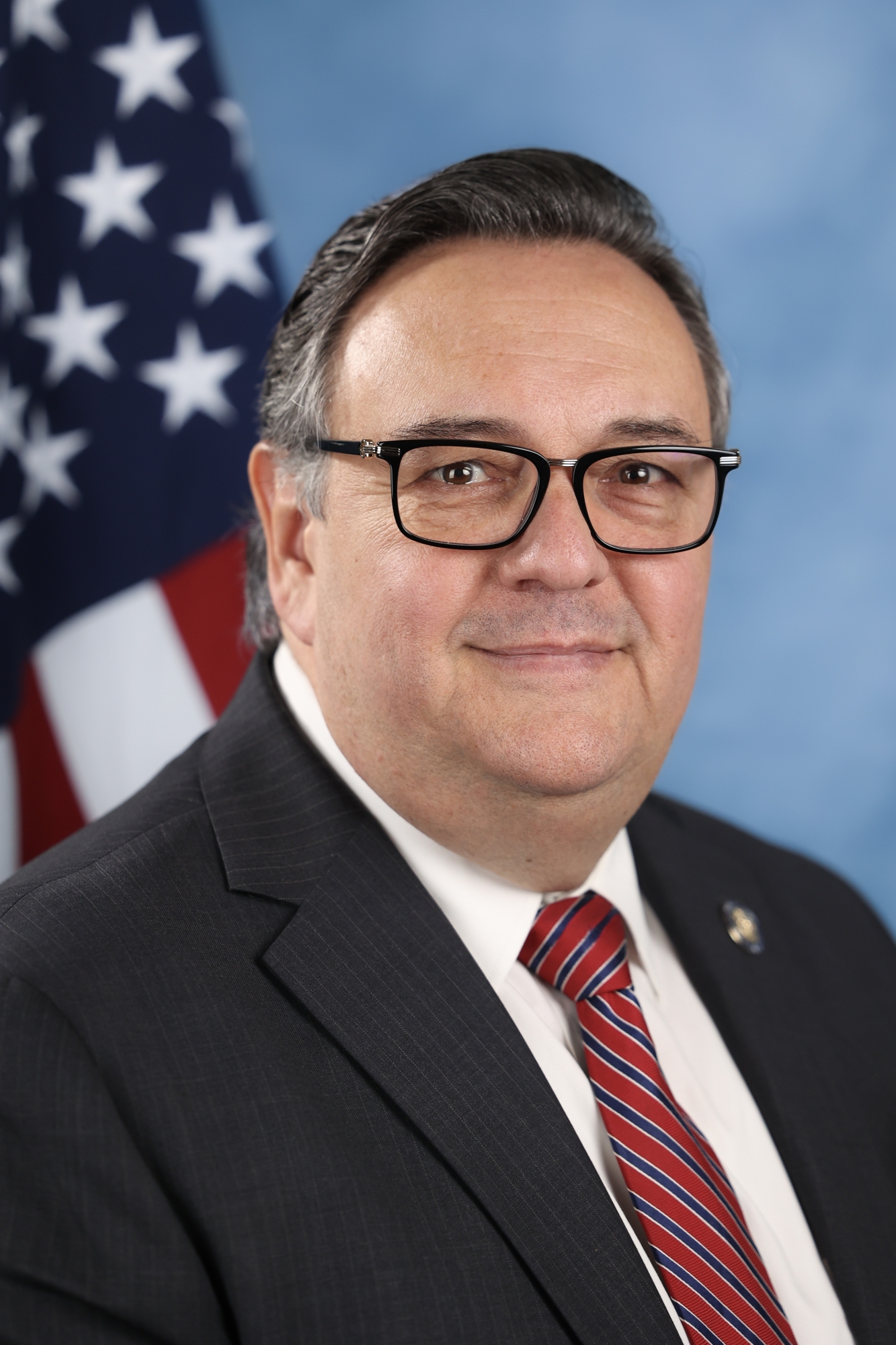
Mary Beth Walsh
12% support rate
Ranked legislators
10
5 support · 5 oppose
Key legislators

Who's moving transportation in New York

Legislators moving transportation in New York
Legislator Party Stance Support rate Votes
Micah Lasher
Micah Lasher House · District 69
D
Strong +
100% 34
Vivian Cook
Vivian Cook House · District 32
D
Strong +
100% 26
Carrie Woerner
Carrie Woerner House · District 113
D
Strong +
100% 51
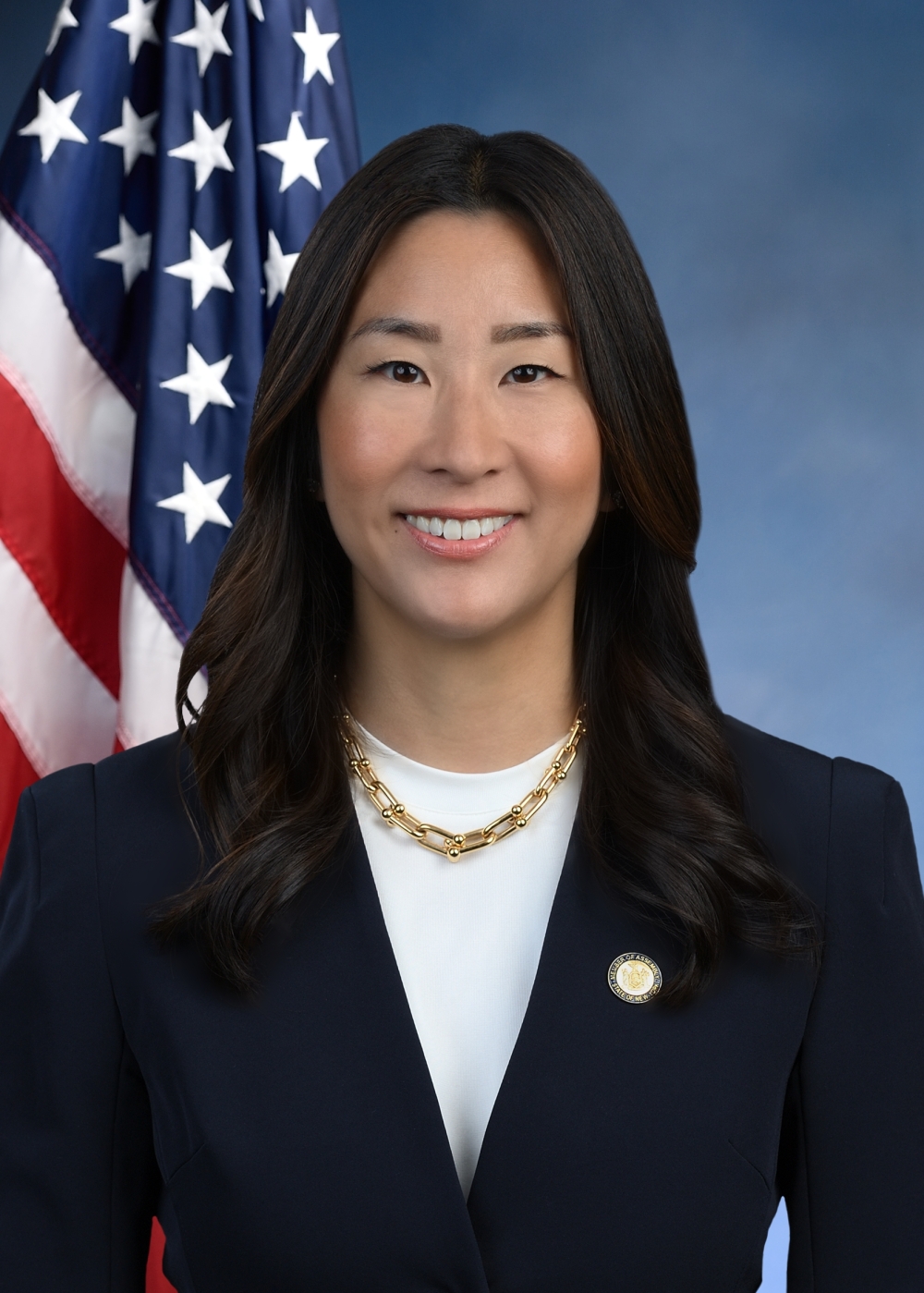
Grace Lee
Grace Lee House · District 65
D
Strong +
100% 41
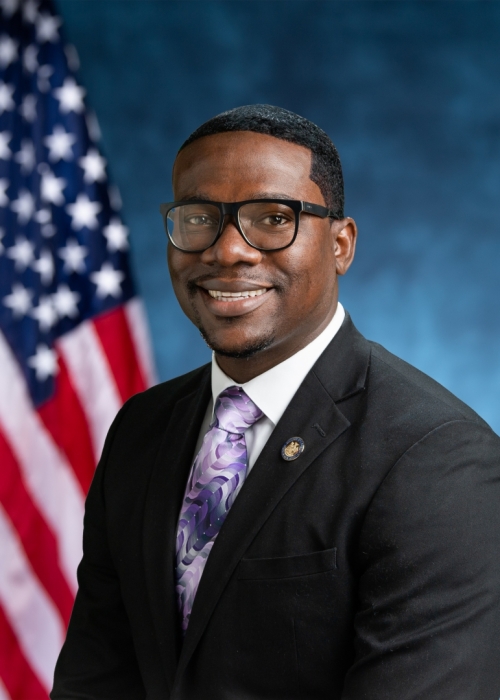
Demond Meeks
Demond Meeks House · District 137
D
Strong +
100% 38
Mary Beth Walsh
Mary Beth Walsh House · District 112
R
Strong −
12% 52
Sam Pirozzolo
Sam Pirozzolo House · District 63
R
Strong −
12% 52
Mike Reilly
Mike Reilly House · District 62
R
Strong −
12% 52
Chris Friend
Chris Friend House · District 124
R
Strong −
14% 48
Misha Novakhov
Misha Novakhov House · District 45
R
Strong −
14% 47
Showing 71–80 of 1,222 bills

All transportation bills

in committee · New York · Senate Jun 5, 2026

S 9752: Prohibits the use of virtual reality headsets while operating a motor vehicle

This bill makes it illegal for drivers of cars, motorcycles, or bicycles to wear virtual reality headsets while operating their vehicles on public roads. The law also maintains an existing rule that prohibits drivers from wearing more than one earphone connected to audio devices like radios or tape players. By adding virtual reality headsets to the list of restricted items, the legislation aims to prevent distractions that could compromise driving safety. The changes will take effect sixty days after the bill is officially signed into law.
in committee · New York · Senate May 1, 2026

S 10160: Permits the town of Redfield, Oswego county, to designate certain roads as minimum maintenance roads

This bill allows the town of Redfield in Oswego County to officially classify specific roads as "minimum maintenance roads." By amending state highway law, the legislation adds Redfield to a list of towns permitted to designate these roads, which typically means they will receive less frequent upkeep and repair from the state. The change takes effect immediately upon passage, though the specific legal amendment is set to be repealed later. This action directly impacts the town's ability to manage road conditions and affects residents who use the designated routes.
Sub-Topics Roads & Highways
in committee · New York · Senate May 14, 2026

S 10328: Requires the use of reclaimed asphalt pavement

This bill mandates that at least 30% of reclaimed asphalt pavement be used in most highway construction projects across New York State, with a lower requirement of 10% for heavy-duty mixes. It directly affects state transportation departments, private contractors, and asphalt plant operators by requiring them to incorporate recycled materials into new paving projects. The legislation establishes specific definitions for asphalt types and allows for waivers if there is not enough recycled material available, while also directing officials to create rules that encourage even higher usage rates in the future.
passed · New York · Assembly Apr 20, 2026

K 1135: Memorializing Governor Kathy Hochul to proclaim April 20-24, 2026, as Work Zone Awareness Week in the State of New York

This bill asks the Governor of New York to officially declare the week of April 20-24, 2026, as Work Zone Awareness Week. The measure aims to highlight safety concerns for construction workers and drivers during the busy spring construction season. By aligning with the national observance, the bill encourages motorists to exercise extra caution when passing highway work sites. The resolution does not create new laws or funding but serves as a symbolic gesture to promote awareness of work zone dangers.
Sub-Topics Roads & Highways
in committee · New York · Senate May 7, 2026

S 10222: Relates to the organization of the Port Authority

This bill reorganizes the Port Authority of New York and New Jersey by establishing a new Transportation Advisory Committee and updating the composition of its governing board. It mandates that the twelve voting commissioners be appointed by the governors of New York and New Jersey with state senate approval, while requiring at least one New York member to be recommended by the city mayor. The legislation also adds four non-voting commissioners to represent transit riders and labor organizations, and it introduces stricter conflict-of-interest rules alongside a new whistleblower protection program to safeguard employees who report misconduct.
Sub-Topics Ports
in committee · New York · Assembly May 8, 2026

A 11291: Relates to the organization of the Port Authority

This bill reorganizes the Port Authority of New York and New Jersey by establishing a new Transportation Advisory Committee and updating the rules for selecting its commissioners. It requires that voting commissioners have specific professional experience in areas like transportation and finance, while also mandating that one New York member be recommended by the mayor of New York City. The legislation adds four non-voting commissioners to represent transit riders and labor organizations, ensuring their voices are included in the authority's governance. Additionally, the bill strengthens protections for whistleblowers by creating a confidential reporting program and expanding the Inspector General's authority to investigate fraud, waste, and abuse. These changes aim to improve oversight and accountability within the agency without altering its core operational functions.
Sub-Topics Ports
in committee · New York · Assembly May 28, 2026

A 11512: Prohibits the issuance of permits that authorize road work during certain time periods

This bill prevents the New York City Department of Transportation from issuing permits for road work during rush hour, specifically between 6:00 AM and 10:00 AM and 3:00 PM to 7:00 PM. The change directly impacts contractors and construction projects that would have previously been allowed to operate during these peak traffic times. By relettering an existing administrative code section and adding a new prohibition, the legislation aims to reduce traffic congestion without altering the overall rules for non-rush hour construction. The law takes effect immediately upon passage.
Sub-Topics Roads & Highways
in committee · New York · Assembly May 28, 2026

A 11525: Exempts certain residents of the central business district from central business district tolls

Authorizes the Triborough bridge and tunnel authority to exempt certain residents of the central business district from the central business district toll.
Sub-Topics Bridges
in committee · New York · Assembly Apr 1, 2026

A 10772: Establishes the offense of vehicular homicide

This bill proposes creating a new crime called vehicular homicide that applies to anyone who causes another person's death while driving a motor vehicle with a reckless disregard for human life. Under the proposed law, committing this offense would be classified as a class B felony, which is a serious criminal charge. The legislation would take effect approximately eight months after it is officially signed into law.
Sub-Topics Violent Crime
in committee · New York · Senate Apr 13, 2026

S 9884: Authorizes the city of New York to provide for a residential parking permit system

This bill authorizes the City of New York to create a residential parking permit system in specific neighborhoods of Brooklyn to address traffic hazards, congestion, and pollution. Under the new rules, residents in designated areas would need to purchase permits to park on local streets, while commercial zones, metered spaces, and vehicles registered under specific programs would remain exempt. The legislation mandates that at least 20% of parking spots stay open for non-residents with short-term access and requires all permit fees to be collected and transferred to the city's mass transit agency. A public hearing must be held before any local ordinance is adopted, and the authority to implement this system is set to expire on December 1, 2030.
Showing 71 to 80 of 1,222 bills
Previous 1 7 8 9 123 Next