Issue · Labor & Employment

Labor & Employment

Every labor & employment bill, vote, and legislator stance in New York, automatically classified by Maddy, our AI policy reader.

Total bills
1,442
2025 Regular Session
Top supporter
MaryJane Shimsky
100% support rate
Top opponent
Chris Friend
0% support rate
Ranked legislators
10
5 support · 5 oppose
Key legislators

Who's moving labor & employment in New York

Legislators moving labor & employment in New York
Legislator Party Stance Support rate Votes
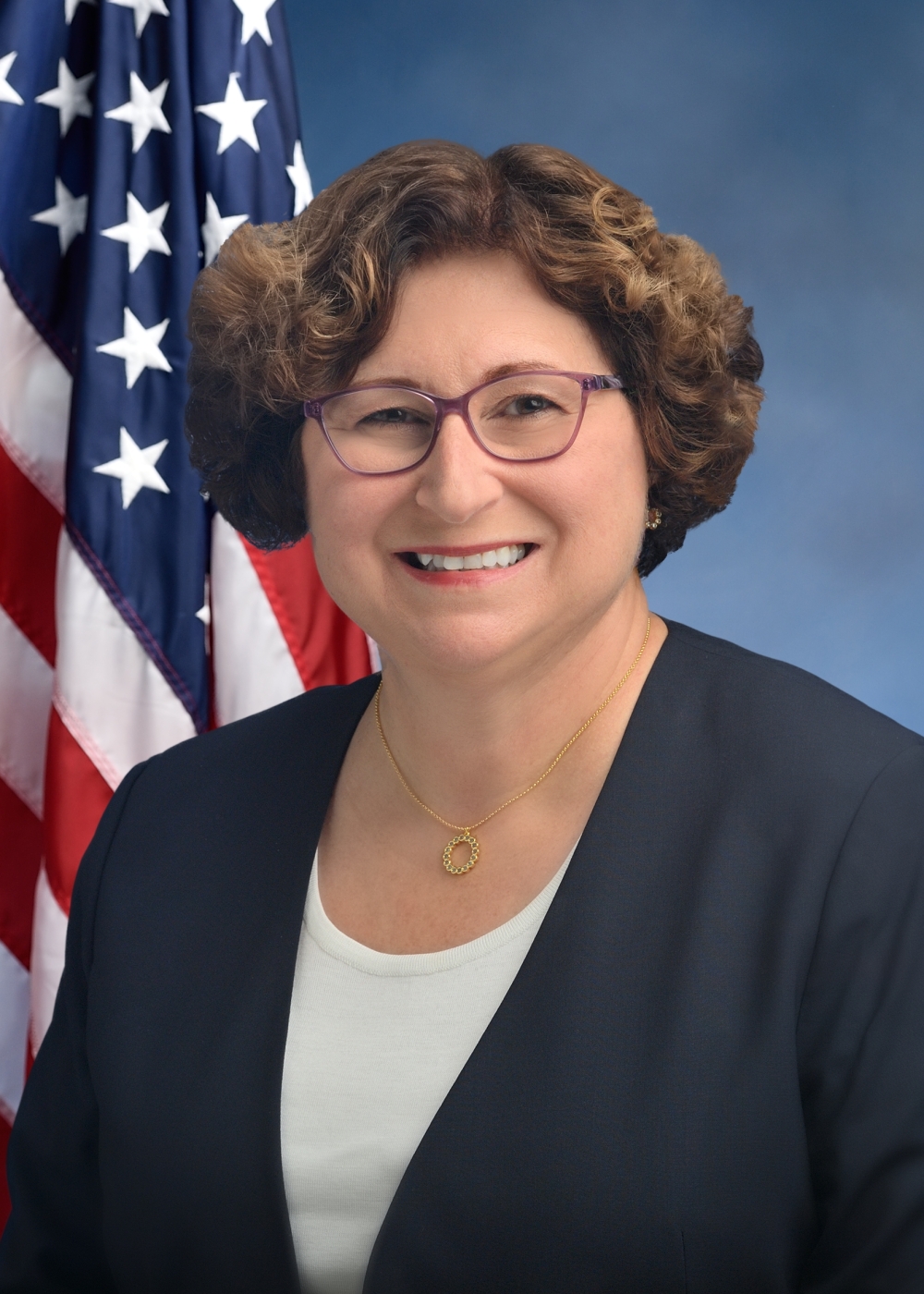
MaryJane Shimsky
MaryJane Shimsky House · District 92
D
Strong +
100% 63
Jonathan Jacobson
Jonathan Jacobson House · District 104
D
Strong +
100% 63
Ron Kim
Ron Kim House · District 40
D
Strong +
100% 63
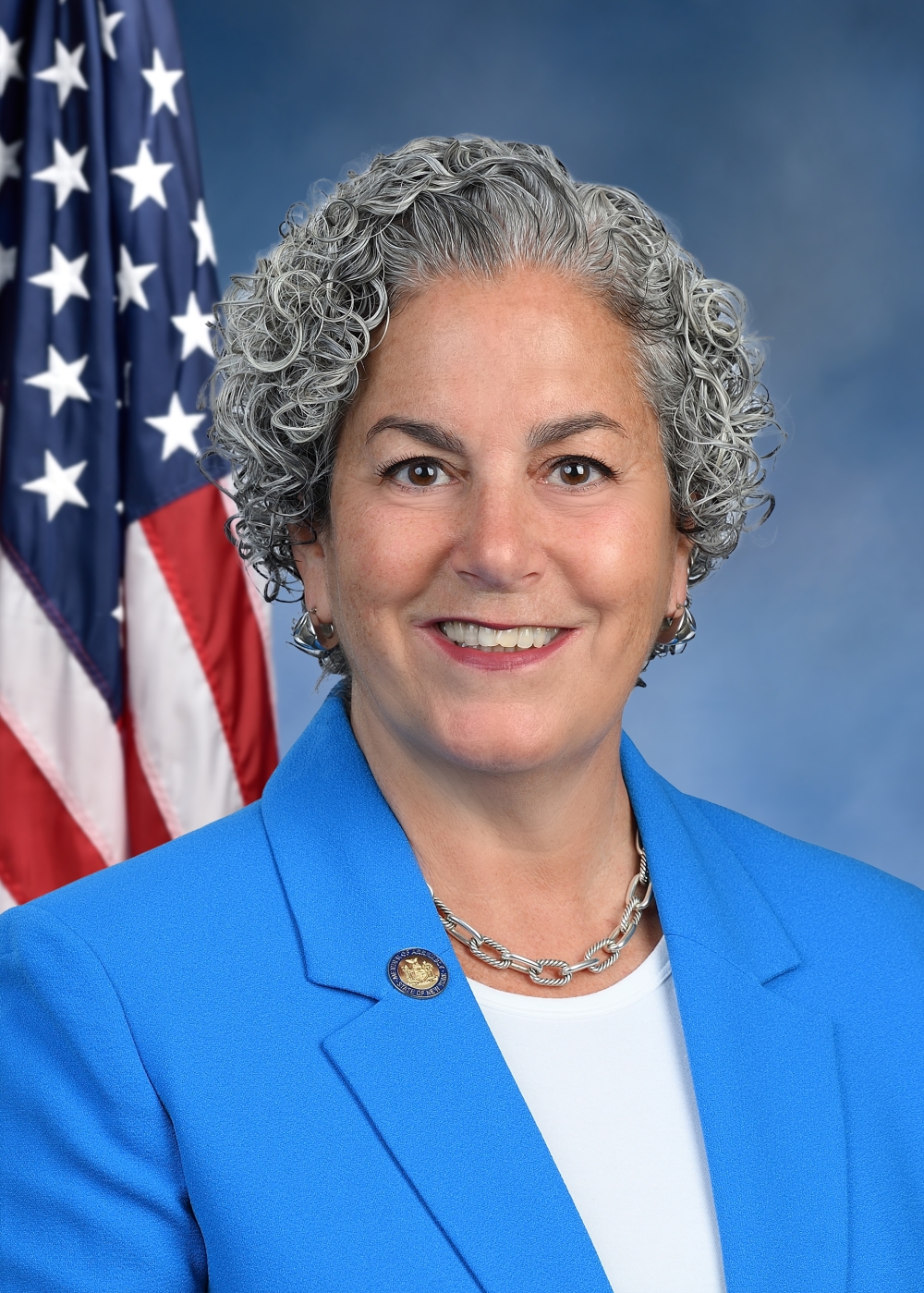
Stacey Pheffer Amato
Stacey Pheffer Amato House · District 23
D
Strong +
100% 63
Chris Burdick
Chris Burdick House · District 93
D
Strong +
100% 63
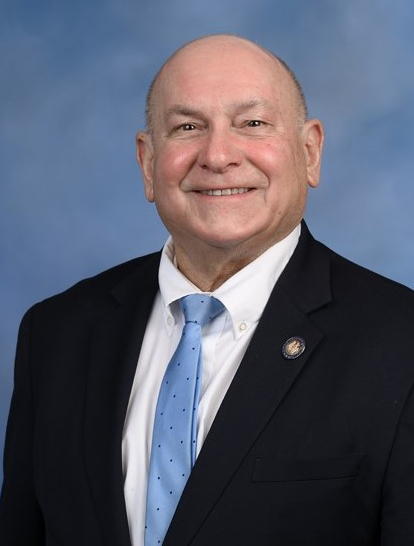
Chris Friend
Chris Friend House · District 124
R
Strong −
0% 60
Chris Tague
Chris Tague House · District 102
R
Strong −
0% 63
Steve Hawley
Steve Hawley House · District 139
R
Strong −
4% 62
Ken Blankenbush
Ken Blankenbush House · District 117
R
Strong −
4% 61
Dave DiPietro
Dave DiPietro House · District 147
R
Strong −
4% 62
Showing 261–270 of 1,442 bills

All labor & employment bills

passed both · New York · Senate Jun 2, 2026

S 8877: Relates to certain mandatory disclosures for job advertisements

Requires certain mandatory disclosures for printed or digital job advertisements by an employer or third-party job posting entity; provides for the imposition of a fine of $2,500 for violations.
Sub-Topics Labor Standards
in committee · New York · Senate Jun 5, 2026

S 8677: Relates to eligibility for paid sick leave

Requires an employer to provide sick leave to an employee who telecommutes at the same rate and under the same conditions that an employee present at the employer's work site would accrue it.
Sub-Topics Paid Leave
in committee · New York · Assembly May 15, 2026

A 9571: Relates to increasing short-term disability benefits

This bill (A 9571) increases family leave benefits under New York's workers' compensation law, directly affecting eligible employees taking leave for medical care, bonding with a newborn, or military family exigencies. It gradually raises weekly benefit percentages (from 50% to 67% of average weekly wage) and extends maximum leave duration (from 8 to 12 weeks) over time, with specific phased-in dates starting in 2018. Covered employers must provide these enhanced benefits while maintaining health insurance coverage during leave. The changes apply to employees meeting eligibility criteria under the law, with the Superintendent of Financial Services retaining limited authority to delay increases.
in committee · New York · Assembly Jan 30, 2026

A 10094: Enacts the "licensure incentives and fee-support for testing (LIFT) act"

Enacts the "licensure incentives and fee-support for testing (LIFT) act"; establishes the social work licensure examination voucher program to provide low-income individuals vouchers to cover the cost of the examination required for licensure as a licensed master social worker or licensed clinical social worker.
in committee · New York · Senate Jan 7, 2026

S 8697: Relates to dependent care flexible benefits

Directs certain employers to establish a dependent care flexible benefits program under which a portion of employees' compensations are deposited directly into dependent care flexible spending accounts.
in committee · New York · Assembly Mar 20, 2026

A 9536: Relates to the identification of individuals who provide face-to-face care to or direct observation of a patient and information required to be submitted by complainants in offenses against a hospital worker

Limits the identification of individuals who provide face-to-face care to or direct observation of a patient to their employee identification number, first name and first initial of last name when full name identification may place the personal safety of such individual in jeopardy; requires complainants to only submit their employer's address in cases involving an alleged offense against a hospital worker.
in committee · New York · Senate Jan 23, 2026

S 9028: Prohibits employers from engaging in discrimination on the basis of a protected class when using artificial intelligence in certain employment practices

Prohibits employers from engaging in discrimination on the basis of a protected class when using artificial intelligence for recruitment, hiring, promotion, renewal of employment, selection for training or apprenticeship, discharge, discipline, tenure, or the terms, privileges, or conditions of employment.
in committee · New York · Assembly Jan 21, 2026

A 9601: Prohibits the use of automated systems to make employment decisions unless there is a meaningful human review of the output of such automated system prior to the final employment decision

Prohibits the use of automated systems to make employment decisions unless there is a meaningful human review of the output of such automated system prior to the final employment decision; requires employers that use an automated system in the hiring process to notify applicants of the use of such system; provides that an applicant who has received an adverse employment decision may request a human-conducted review of such decision.
in committee · New York · Assembly Jan 21, 2026

A 9674: Includes veterans in the definition of military status for purposes of unlawful discrimination

This bill amends New York's definition of "military status" to explicitly include veterans who have completed their service. It directly affects veterans by ensuring they are protected under existing anti-discrimination laws that cover current military personnel. The key change adds language stating "military status" includes those "released from such service," expanding coverage beyond active duty to include all veterans. The bill makes no new funding or programs, only clarifying who is protected from discrimination based on military service.
in committee · New York · Senate Jan 13, 2026

S 8892: Relates to the use of paid sick leave for bereavement purposes

Allows an employee to use paid sick leave for bereavement upon the death of a family member, or upon pregnancy loss by the employee or the employee's spouse or domestic partner or upon a foster child leaving a foster family provided the foster child was in the care of the foster family for six months or longer.
Sub-Topics Paid Leave
Showing 261 to 270 of 1,442 bills
Previous 1 26 27 28 145 Next