Issue · Labor & Employment

Labor & Employment (Labor Standards)

Every labor & employment bill, vote, and legislator stance in New York, automatically classified by Maddy, our AI policy reader.

Total bills
230
2025 Regular Session
Top supporter
Shelley Mayer
100% support rate
Top opponent
Andrea Bailey
0% support rate
Ranked legislators
10
5 support · 5 oppose
Key legislators

Who's moving labor standards in New York

Legislators moving labor standards in New York
Legislator Party Stance Support rate Votes
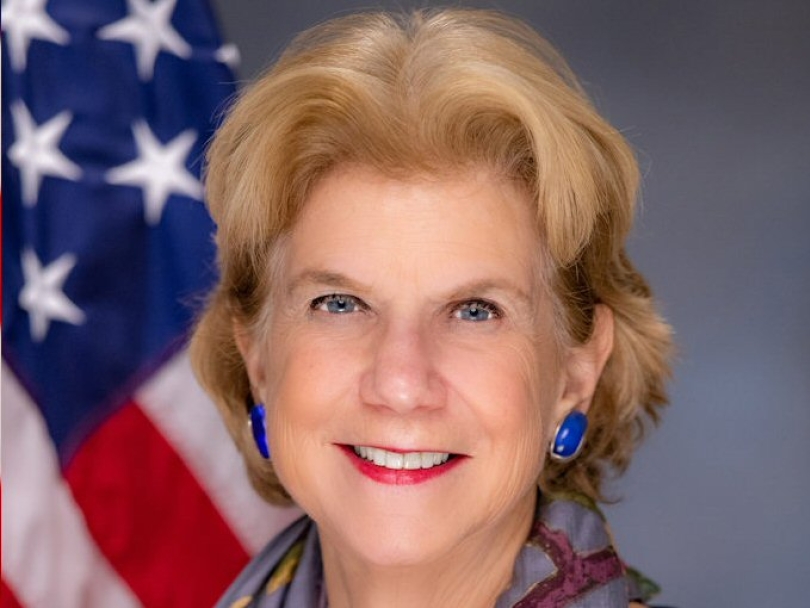
Shelley Mayer
Shelley Mayer Senate · District 37
D
Strong +
100% 20
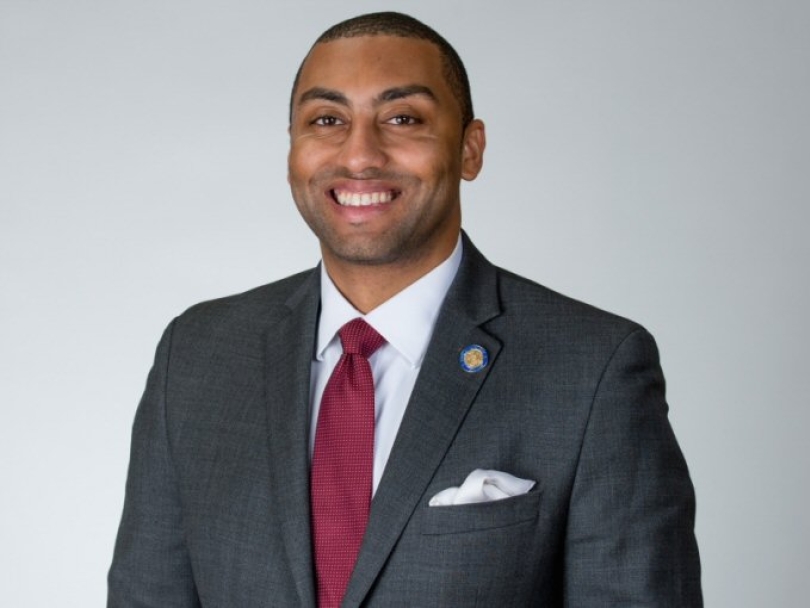
Jamaal Bailey
Jamaal Bailey Senate · District 36
D
Strong +
100% 19
NF
Nathalia Fernández Senate · District 34
D
Strong +
100% 19
James Skoufis
James Skoufis Senate · District 42
D
Strong +
100% 18
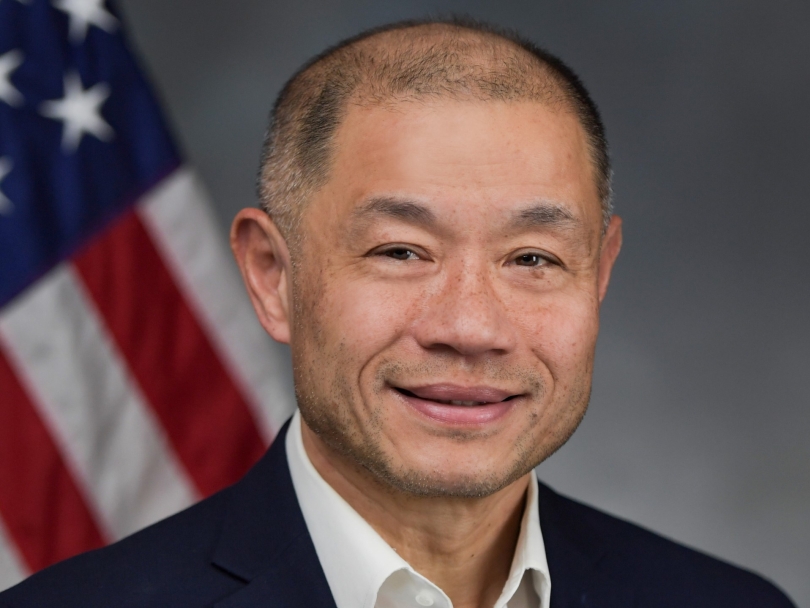
John Liu
John Liu Senate · District 16
D
Strong +
100% 18
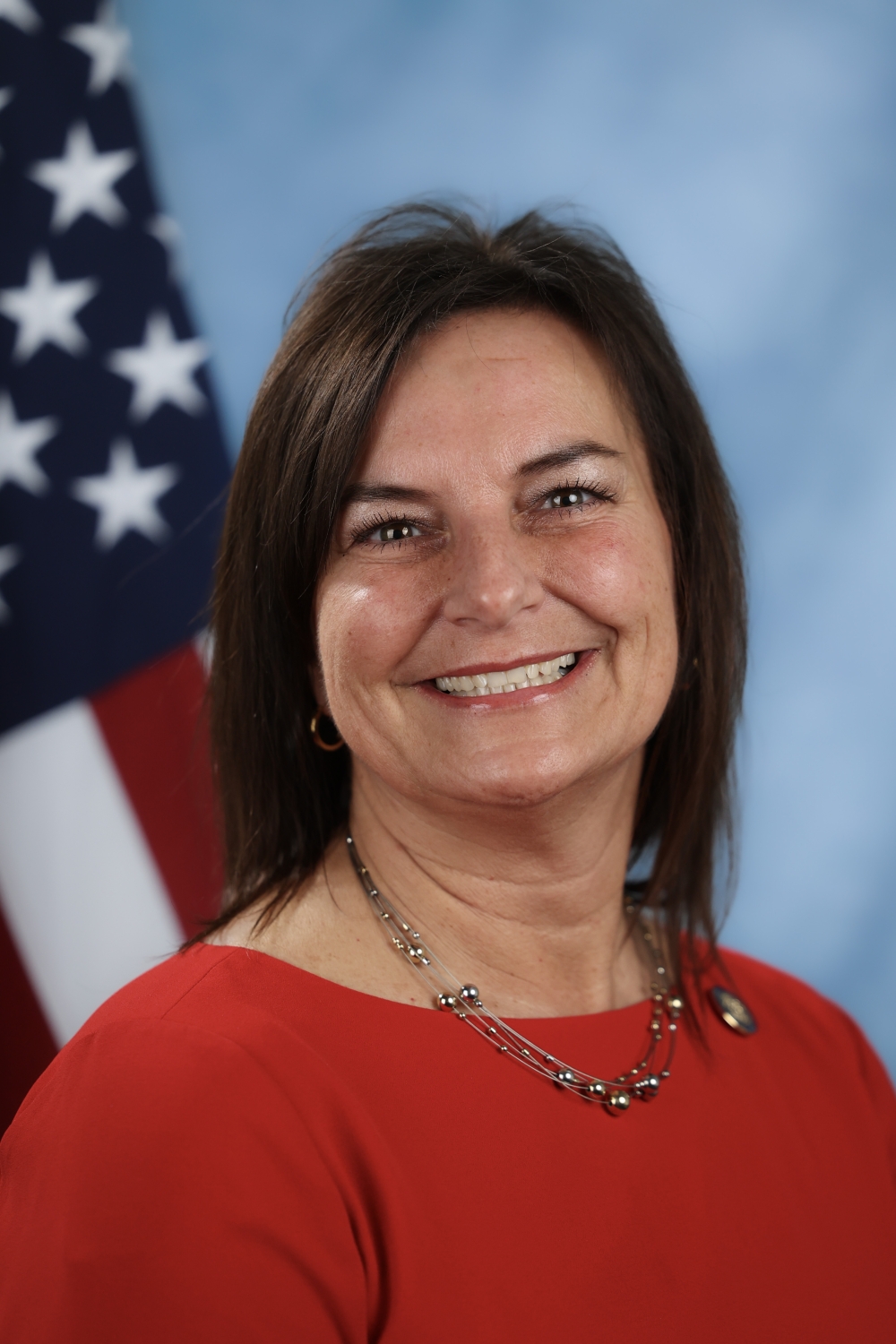
Andrea Bailey
Andrea Bailey House · District 133
R
Strong −
0% 5
Andrew Molitor
Andrew Molitor House · District 150
R
Strong −
0% 5
Brian Manktelow
Brian Manktelow House · District 130
R
Strong −
0% 5
Chris Friend
Chris Friend House · District 124
R
Strong −
0% 5
Chris Tague
Chris Tague House · District 102
R
Strong −
0% 5
Showing 111–120 of 230 bills

All labor & employment bills

in committee · New York · Assembly Jan 7, 2026

A 218: Relates to flexible working arrangements

Relates to flexible working arrangements; provides that employees may submit a request for flexible working arrangements in good faith; requires the employer to notify the employee of the decision; prohibits employers from retaliating against employees for exercising rights under the section.
Sub-Topics Labor Standards
in committee · New York · Senate Jan 7, 2026

S 4355: Relates to the regulation and licensing of on-demand pay providers

This bill establishes new regulations for on-demand pay providers in New York, which allow workers to access earned wages before their regular payday. It specifically distinguishes between "employer-integrated" providers (those working directly with employers) and "non-verified" providers (those not tied to employers). Employer-integrated providers must register with the superintendent, disclose fees clearly, and follow strict rules about user rights and data privacy, but are not treated as lenders. Non-verified providers, however, are regulated as lenders under loan laws and cannot charge more than 10% annual interest on advances. The law applies directly to workers who use these services and the companies offering them in New York.
in committee · New York · Senate Jan 7, 2026

S 1686: Relates to prohibition of certain activities in extreme temperatures

This bill prohibits retail businesses from requiring employees to perform "human billboard" activities - such as holding signs or wearing branded clothing outside stores for advertising - when outdoor temperatures reach 90°F or higher. It directly affects retail employees who might otherwise be asked to stand outdoors in extreme heat for promotional purposes. The law defines "retail business" as entities selling consumer goods (like clothing or groceries) and specifies "extreme temperatures" as 90°F+ measured outdoors. The prohibition takes effect immediately upon enactment.
Sub-Topics Labor Standards
in committee · New York · Assembly Jan 7, 2026

A 7624: Establishes the human services wage commission

Establishes the human services wage commission for the purpose of investigating whether the wages paid to human services workers are sufficient to provide adequate maintenance and to protect the health and welfare of employees; defines terms; provides for the duties of the commission; requires reporting.
in committee · New York · Assembly Sep 8, 2025

A 6658: Limits the number of hours certain public employees can work

This bill limits most public employees in New York municipalities to a maximum of 17 work hours in any single workday, applying to all municipal employees except elected officials and those excluded by law. It amends existing overtime pay rules to clarify that overtime compensation does not count toward retirement benefits, salary increases, or promotions. The restriction on daily hours applies unless overridden by an existing collective bargaining agreement. This policy change directly affects public workers in local governments across New York State.
in committee · New York · Assembly Jan 7, 2026

A 392: Requires employers of retail, food service or cleaning employees to give such employees 7 day notice of their work schedule and a months notice of the minimum hours of work

Requires employers of retail, food service or cleaning employees to give such employees 7 days' notice of their work schedule and a month's notice of the minimum hours of work; provides a private right of action to employees who are aggrieved by certain violations of such provisions.
in committee · New York · Assembly Jan 7, 2026

A 1000: Relates to split shifts and minimum wage

This bill requires employers to pay minimum wage for any time over one hour during a split shift when an employee is not working (e.g., during a long break between work periods). It directly affects hourly workers with split shifts, such as those working morning and afternoon shifts with an extended unpaid break. The key provision mandates that this non-working time be counted as "worked" time for minimum wage purposes, ensuring pay for the full duration of the shift. The bill is pending in the Labor Committee and has not yet become law.
in committee · New York · Senate Jan 7, 2026

S 5176: Relates to establishing when a tip credit applies to employees working at tipped and non-tipped occupations on the same day

This bill clarifies when employers can apply a tip credit to workers who perform both tipped and non-tipped tasks on the same day. Specifically, if a service or food service worker spends more than 20% of their shift in a non-tipped role, they must be paid the full minimum wage for that portion of the day, not the reduced wage allowed with a tip credit. Regular side tasks directly related to their primary job (like busking in a restaurant) do not count as non-tipped work. The bill also specifies that employers improperly applying a tip credit must only compensate the affected worker in a tip pool, not all workers in the pool.
in committee · New York · Assembly Jan 7, 2026

A 5571: Relates to family leave

This bill amends New York's workers' compensation law to prevent employers from requiring employees to use paid time off before taking family leave. It expands the definition of "family leave" to include situations where an employee's family member (spouse, domestic partner, child, or parent) is on active military duty within the U.S. (including contiguous states, Hawaii, Alaska, or territories). The law directly affects employees needing leave to care for a family member with a serious health condition, bond with a newborn/adopted child, or address military-related exigencies. The policy change takes effect immediately, ensuring employees can access family leave without exhausting other accrued time first.
passed · New York · Senate Jun 4, 2026

S 4473: Clarifies that the statutory damages available for certain wage violations are not punitive in nature and are designed to compensate workers

Clarifies that the statutory damages available for certain wage violations are not punitive in nature and are designed to be liquidated damages rather than penalties or to compensate workers for the employer's failure to prevent wage theft and for the harm to employees that results from such failure.
Sub-Topics Labor Standards
Showing 111 to 120 of 230 bills
Previous 1 11 12 13 23 Next