Issue · Labor & Employment

Labor & Employment

Every labor & employment bill, vote, and legislator stance in New York, automatically classified by Maddy, our AI policy reader.

Total bills
1,442
2025 Regular Session
Top supporter
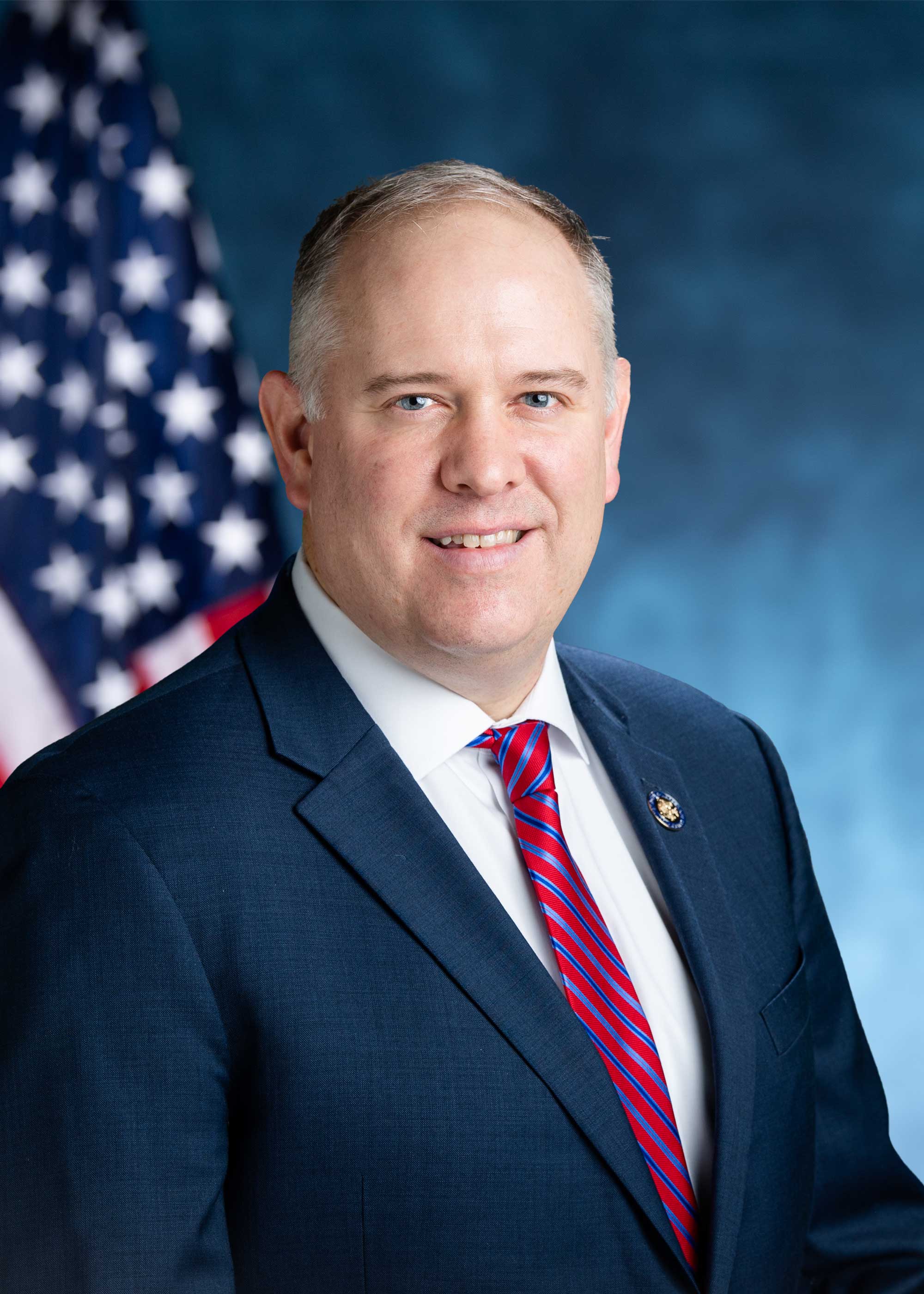
Al Stirpe
100% support rate
Top opponent
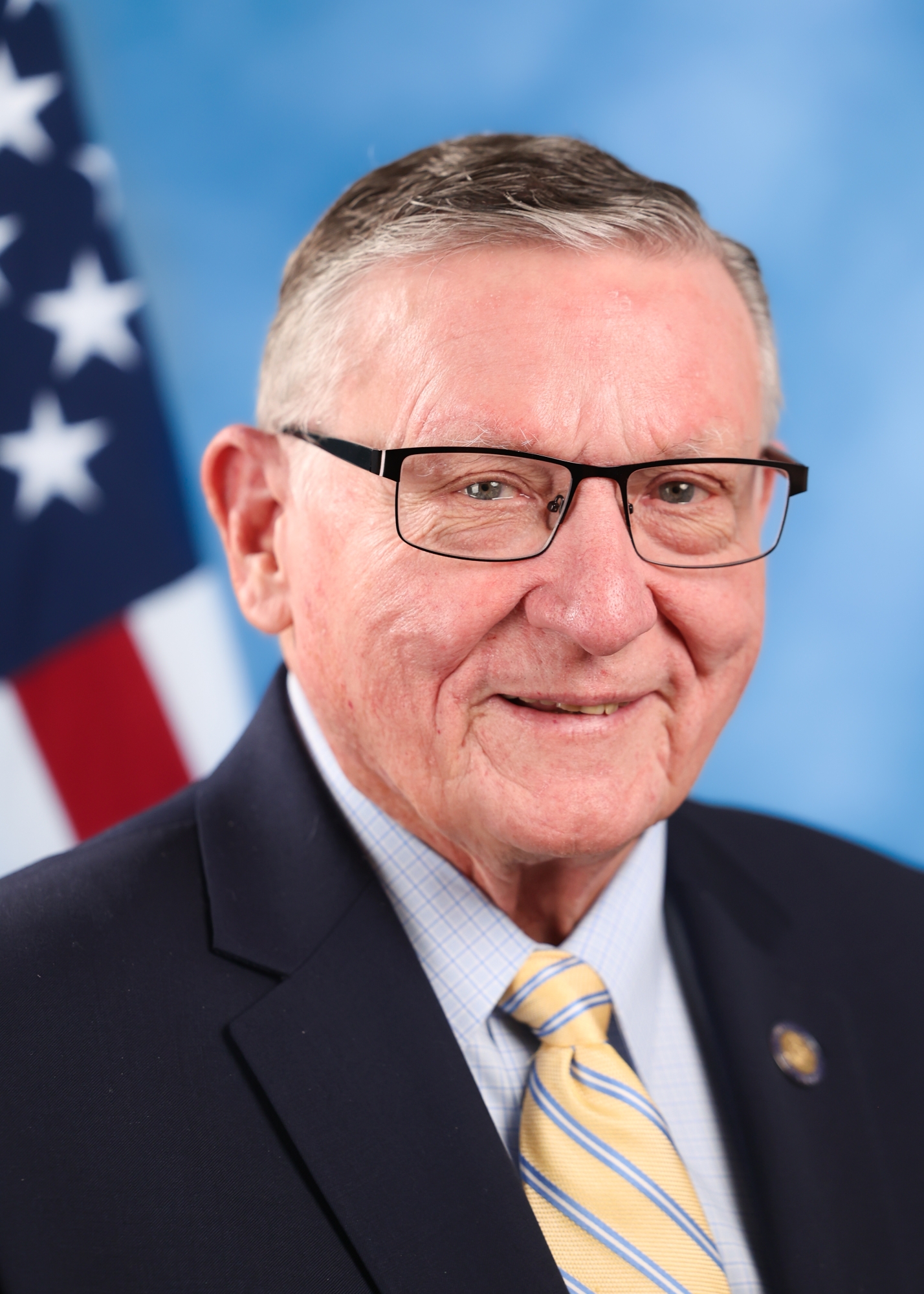
Chris Friend
0% support rate
Ranked legislators
10
5 support · 5 oppose
Key legislators

Who's moving labor & employment in New York

Legislators moving labor & employment in New York
Legislator Party Stance Support rate Decisive votes
Al Stirpe
Al Stirpe House · District 127
D
Strong +
100% 24
Al Taylor
Al Taylor House · District 71
D
Strong +
100% 24
Amy Paulin
Amy Paulin House · District 88
D
Strong +
100% 24
Andrew Hevesi
Andrew Hevesi House · District 28
D
Strong +
100% 24
Bill Conrad
Bill Conrad House · District 140
D
Strong +
100% 24
Chris Friend
Chris Friend House · District 124
R
Strong −
0% 24
Chris Tague
Chris Tague House · District 102
R
Strong −
0% 24
Dave DiPietro
Dave DiPietro House · District 147
R
Strong −
4% 23
Ken Blankenbush
Ken Blankenbush House · District 117
R
Strong −
4% 23
Steve Hawley
Steve Hawley House · District 139
R
Strong −
4% 23
Showing 1,171–1,180 of 1,442 bills

All labor & employment bills

in committee · New York · Assembly Jan 7, 2026

A 746: Establishes unpaid leave of absence as a reasonable accommodation under the state's human rights law

This bill adds unpaid leave as a formal "reasonable accommodation" under the state's human rights law for employees with disabilities or pregnancy-related conditions. It specifically allows unpaid leave to recover from episodic health issues, requiring medical certification and an estimated return date, but prohibits indefinite leave. Employers must engage in an interactive process with the employee to determine appropriate accommodations, including the leave duration. The law applies directly to covered employers and employees seeking this type of leave for qualifying health needs.
in committee · New York · Senate Jan 7, 2026

S 4355: Relates to the regulation and licensing of on-demand pay providers

This bill establishes new regulations for on-demand pay providers in New York, which allow workers to access earned wages before their regular payday. It specifically distinguishes between "employer-integrated" providers (those working directly with employers) and "non-verified" providers (those not tied to employers). Employer-integrated providers must register with the superintendent, disclose fees clearly, and follow strict rules about user rights and data privacy, but are not treated as lenders. Non-verified providers, however, are regulated as lenders under loan laws and cannot charge more than 10% annual interest on advances. The law applies directly to workers who use these services and the companies offering them in New York.
in committee · New York · Assembly Jan 7, 2026

A 2014: Relates to collective bargaining rights for college athletes and authorizes the public employment relations board to exercise jurisdiction over collective bargaining matters

Relates to collective bargaining rights for college athletes; authorizes the public employment relations board to exercise jurisdiction over institutions of higher education and college student athlete employees of such institutions in relation to all collective bargaining matters.
in committee · New York · Assembly Jan 7, 2026

A 1167: Relates to providing hazard payments to essential workers during a state disaster emergency

Relates to providing hazard payments to essential workers during a state disaster emergency; provides that certain employers shall make hazard payments to essential workers during a state disaster emergency provided no hazard payment shall exceed twenty-five thousand dollars in any year for any essential worker earning less than two hundred thousand dollars per year or five thousand dollars for any essential worker earning more than two hundred thousand dollars.
in committee · New York · Senate Jan 7, 2026

S 4463: Relates to paid family leave after a stillbirth

This bill amends New York's workers' compensation law to explicitly include "recovering after a stillbirth" as a qualifying reason for paid family leave. It directly affects employees who experience a stillbirth, allowing them to take paid leave to recover. The key change adds this specific provision to the existing list of eligible reasons for family leave under the law, without altering other provisions or creating new programs.
Sub-Topics Paid Leave
in committee · New York · Senate Jan 7, 2026

S 1686: Relates to prohibition of certain activities in extreme temperatures

This bill prohibits retail businesses from requiring employees to perform "human billboard" activities - such as holding signs or wearing branded clothing outside stores for advertising - when outdoor temperatures reach 90°F or higher. It directly affects retail employees who might otherwise be asked to stand outdoors in extreme heat for promotional purposes. The law defines "retail business" as entities selling consumer goods (like clothing or groceries) and specifies "extreme temperatures" as 90°F+ measured outdoors. The prohibition takes effect immediately upon enactment.
Sub-Topics Labor Standards
passed both · New York · Assembly Jun 4, 2026

A 38: Directs the New York State Department of Labor to establish a voluntary training and certification program for employers that have taken the Neurodiversity Training Pledge

Directs the New York State Department of Labor to establish a voluntary training and certification program for employers entitled the Neurodiversity Training Pledge.
in committee · New York · Senate Jan 7, 2026

S 1810: Relates to unlawful discriminatory practices based upon delays in reporting workplace sexual harassment

This bill, the "No Right Time Act" (S 1810), prohibits employers from punishing employees for delaying reports of workplace sexual harassment. It directly affects employees who experience harassment and their employers by banning discrimination for late reporting or filing. The key provision extends the time limit for filing sexual harassment claims to three years after either reporting to the employer or leaving the job, whichever comes later. This replaces the standard statute of limitations with a clearer, employee-friendly timeline for pursuing legal action.
in committee · New York · Assembly Jan 7, 2026

A 5559: Establishes a credentialing pilot program for direct support professionals

Bill A 5559 establishes a pilot program to credential direct support professionals (DSPs) who work with individuals receiving care in state-operated and not-for-profit facilities. The program aims to professionalize the DSP field by promoting career advancement, developing advanced skills, and enhancing workforce recruitment and retention. It includes a credentialing and education program, along with comprehensive training that may feature online modules and mentorships. An advisory council, comprising DSPs, providers, and self-advocates, will oversee the program's implementation. The Office is required to report on the pilot's effectiveness by November 2028, including recommendations for a potential statewide credentialing program.
Sub-Topics Medical Licensing
in committee · New York · Senate Jan 7, 2026

S 860: Relates to imposing certain conditions on the approval of a charter school application

This bill (S 860) blocks the approval of charter school applications when converting an existing public school, if the school has a documented pattern of serious violations of civil service laws protecting employee rights. Specifically, it prevents approval if the school interfered with or discriminated against employees under state labor rules, as determined by the Public Employment Relations Board. The law requires that such violations must be resolved before a new application can be submitted in the future. It directly affects public schools seeking to convert to charter status by adding a new eligibility condition based on past labor practices.
Showing 1,171 to 1,180 of 1,442 bills