Issue · Healthcare

Healthcare (Insurance)

Every healthcare bill, vote, and legislator stance in New York, automatically classified by Maddy, our AI policy reader.

Total bills
350
2025 Regular Session
Top supporter
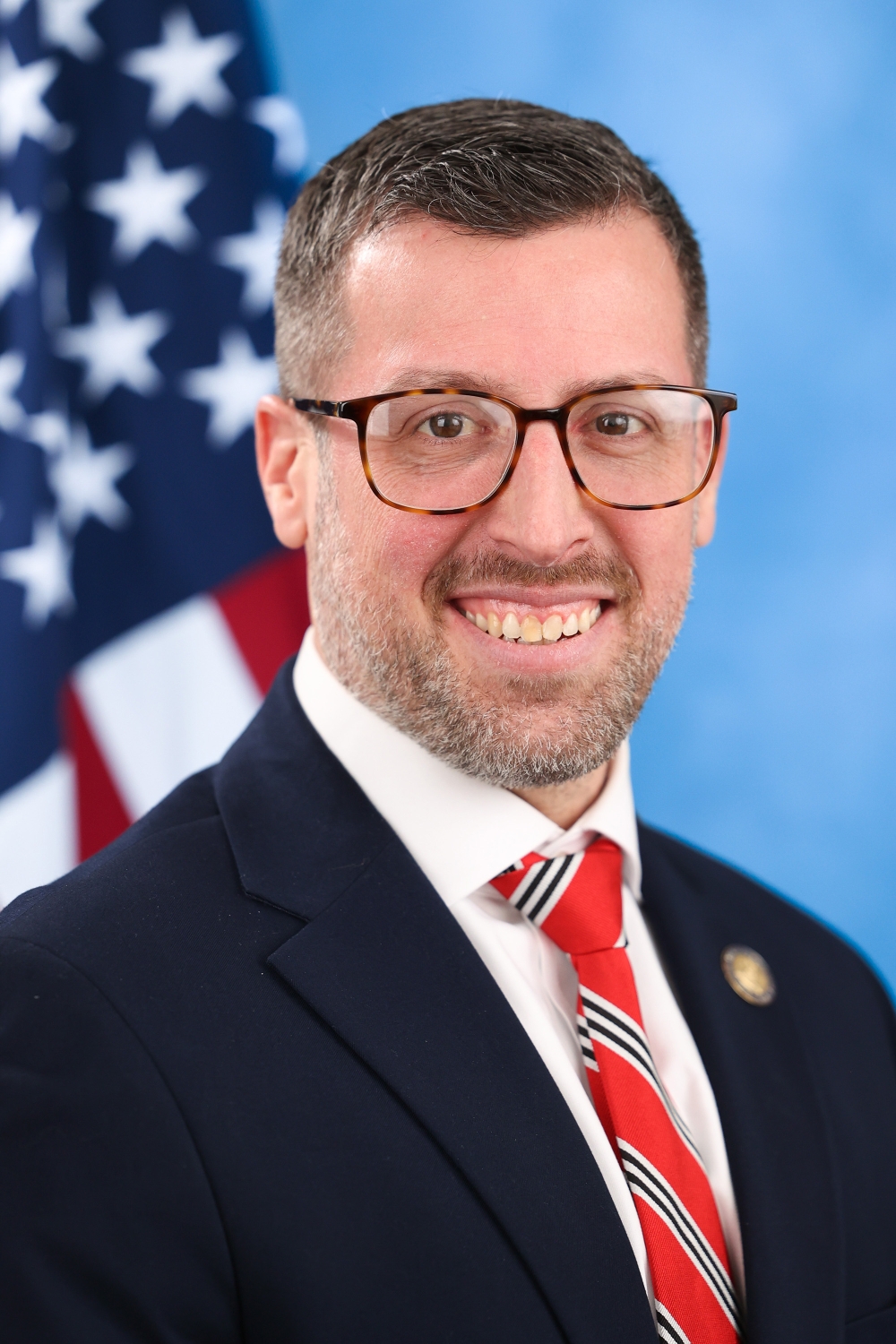
Jamaal Bailey
100% support rate
Top opponent
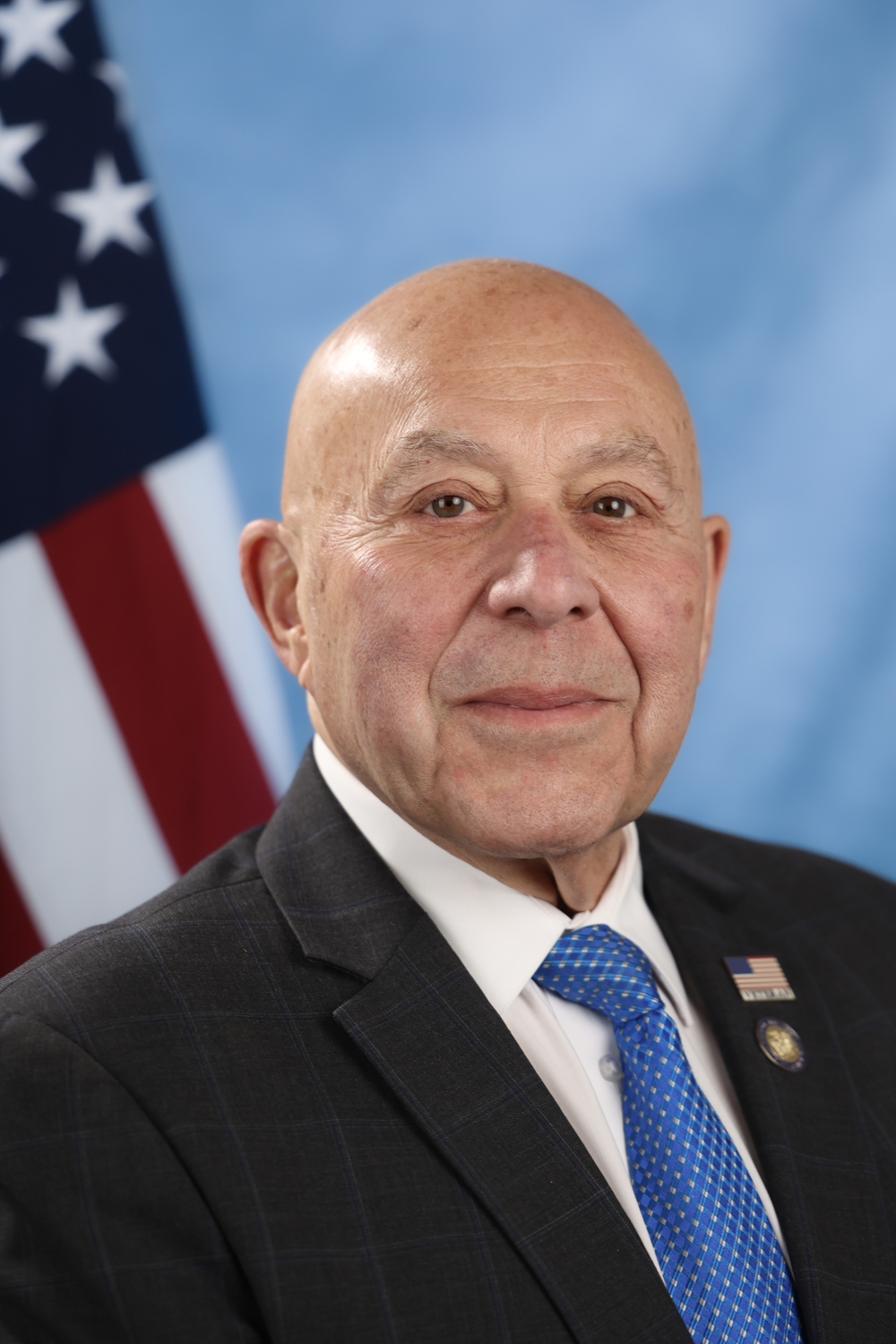
Mark Walczyk
0% support rate
Ranked legislators
10
5 support · 5 oppose
Key legislators

Who's moving insurance in New York

Legislators moving insurance in New York
Legislator Party Stance Support rate Decisive votes
Jamaal Bailey
Jamaal Bailey Senate · District 36
D
Strong +
100% 22
Luis Sepúlveda
Luis Sepúlveda Senate · District 32
D
Strong +
100% 22
Gustavo Rivera
Gustavo Rivera Senate · District 33
D
Strong +
100% 21
Kevin Parker
Kevin Parker Senate · District 21
D
Strong +
100% 21
John Liu
John Liu Senate · District 16
D
Strong +
100% 20
Mark Walczyk
Mark Walczyk Senate · District 49
R
Strong −
0% 15
Andrea Bailey
Andrea Bailey House · District 133
R
Strong −
0% 3
Andrew Molitor
Andrew Molitor House · District 150
R
Strong −
0% 3
Angelo Morinello
Angelo Morinello House · District 145
R
Strong −
0% 3
Anil Beephan
Anil Beephan House · District 105
R
Strong −
0% 3
Showing 61–70 of 350 bills

All healthcare bills

passed both · New York · Senate Mar 11, 2026

S 8869: Requires certain health insurance policies include coverage for services provided by pharmacists related to contraceptives

This bill requires most health insurance plans sold in the state to cover pharmacist-provided contraceptive services, such as counseling, prescribing, or dispensing. It directly affects health insurers and patients seeking contraceptive care through pharmacies. The key provision mandates that insurance policies include these specific services without extra costs to the patient. The bill passed the Senate in January 2026 and is now under review by the Assembly's Insurance committee.
in committee · New York · Assembly Jan 7, 2026

A 9405: Relates to entities who serve as navigators that can help individuals apply for health insurance

This bill authorizes New York's state health insurance marketplace to award annual grants to organizations that help residents apply for health insurance. It creates three specific grant programs: funding certified navigators (who assist individuals), community enrollment programs, and certifying licensed insurance agents to help low-income residents and small businesses. Priority funding is directed to New York City and counties with uninsured rates above the state average for people earning under 400% of the federal poverty level. The grants must follow federal rules and require annual state budget appropriations.
Sub-Topics State Budget Insurance
in committee · New York · Assembly Jan 7, 2026

A 9428: Relates to health insurance coverage for surviving dependents following the death of a police officer by suicide

Provides that where an active or retired police officer dies by suicide and is enrolled in a health insurance plan, the surviving dependents of such police officer shall be entitled to such health insurance coverage for ninety days following such police officer's death.
Sub-Topics Insurance
in committee · New York · Senate Feb 10, 2026

S 8614: Relates to health equity, affordability and reform; repealer

Relates to the basic health program; permits a person or an eligible small group to purchase coverage from a basic health plan on behalf of an individual and any qualified dependents through the basic health program buy-in as long as the individual and any qualified dependents otherwise meet certain eligibility requirements (Part A); relates to consumer protection from health care costs (Part B).
Sub-Topics Insurance
vetoed · New York · Senate Dec 5, 2025

S 8265: Relates to ensuring continued access to backup devices for patients with cochlear implants

This bill requires health insurance to cover backup cochlear implant devices for patients during initial implantation and for all future replacements or upgrades (typically needed every 3-5 years). It directly affects patients with cochlear implants who currently lack access to backup devices after their initial device is installed. The law mandates that large group health insurance policies provide this coverage as long as the patient uses the implant, including for necessary upgrades, while allowing standard deductibles and copays. The bill was passed by the legislature but vetoed by the governor on December 5, 2025, so it has not become law.
Sub-Topics Insurance
in committee · New York · Assembly Feb 26, 2025

A 2057: Relates to surrogacy programs and agreements

This bill amends New York's surrogacy laws to clarify legal parentage and financial responsibilities. It requires courts to automatically issue parentage judgments declaring intended parents as the sole legal parents immediately after birth, while excluding surrogates and donors from parental rights. The bill mandates that intended parents cover all medical costs - including preconception care, pregnancy expenses, and 12 months of postnatal care - through comprehensive health insurance or escrow funds. These changes directly affect intended parents, surrogates, and healthcare providers involved in surrogacy arrangements. The provisions aim to streamline legal recognition and ensure financial accountability throughout the surrogacy process.
Sub-Topics Insurance
in committee · New York · Senate Jan 8, 2025

S 133: Relates to prohibiting the exclusion of coverage for losses or damages caused by exposure to lead-based paint

Relates to prohibiting the exclusion of coverage for losses or damages caused by exposure to lead-based paint; provides that no insurer licensed or permitted by the superintendent to provide liability coverage to rental property owners shall exclude coverage for losses or damages caused by exposure to lead-based paint.
Sub-Topics Insurance
signed · New York · Senate May 9, 2025

S 3007: Enacts into law major components of legislation necessary to implement the state health and mental hygiene budget for the 2025-2026 state fiscal year

Enacts into law major components of legislation necessary to implement the state health and mental hygiene budget for the 2025-2026 state fiscal year; requires the commissioner of health to provide a quarterly report on known and expected department of health state funds Medicaid expenditures through state fiscal year 2026-2027 (Part A); extends the effectiveness of various provisions relating to social services and healthcare including medical reimbursement and welfare reform (Part B); relates to supplemental hospital payments (Part D); shifts long-term nursing home stays from managed care to fee for service; authorizes penalties for managed care plans that do not meet contractual obligations (Part E); requires a health plan to pay the MCO provider tax for each calendar year; requires every health plan subject to the approved MCO provider tax to submit reports; imposes penalties for failure to submit such timely payments; grants the commissioner of health audit powers; relates to the healthcare stability fund; relates to Medicaid payment increases for certain medical services; makes certain Medicaid payment increases contingent upon the availability of funds within the healthcare stability fund (Part F); relates to insurance coverage for medical malpractice paid for by funds from the hospital excess liability pool; extends portions of the New York Health Care Reform Act of 1996 (Part G); eliminates the fees paid by funeral directors for permits for burials and removals which are used to support the electronic death registration system; repeals certain provisions of such law relating thereto (Part I); relates to extending the time for awards to be granted to applications for the statewide health care facility transformation III program (Part J); requires general hospitals to report community benefit spending by July 1 of each calendar year (Part M); requires hospitals to provide stabilizing care to pregnant individuals; defines terms; repeals provisions relating to required protocols for fetal demise (Part P); relates to improving access to and increasing coverage for infertility treatments (Part Q); requires hospitals to have sexual assault forensic examiners (Part T); extends the provisions relating to preferred sources for entities that provide employment to certain persons (Part Z); extends certain provisions relating to clarifying the authority of the commissioners in the department of mental hygiene to design and implement time-limited demonstration programs to 03/31/2028 (Part AA); extends the effectiveness of certain provisions relating to the appointment of temporary operators for the continued operation of programs and the provision of services for persons with serious mental illness and/or developmental disabilities and/or chemical dependence (Part BB); extends certain provisions relating to services for individuals with developmental disabilities (Part CC); amends the definition of minor to exclude certain homeless youth for purposes of allowing such homeless youth to consent to certain medical, dental, health and hospital services, including behavioral health services (Part DD); relates to involuntary admission and assisted outpatient treatment; establishes the behavioral health crisis technical assistance center; relates to required training and maintaining of records relating to persons dealing with mental health and substance use crises (Part EE); provides that director of the budget, the commissioners of the office of mental health, office for people with developmental disabilities, office of addiction services and supports, office of temporary and disability assistance, office of children and family services, and the state office for the aging shall establish a state fiscal year 2025-2026 targeted inflationary increase, effective April 1, 2025, for projecting for the effects of inflation upon rates of payments, contracts, or any other form of reimbursement for the programs and services (Part FF); relates to the composition and work of mental health incident review panels (Part GG); provides that school-based health centers shall not be provided to medical assistance recipients through managed care programs until at least April 1, 2026 (Part HH); requires any New York subdivision that directly received funds pursuant to a statewide opioid settlement agreement to publicly post on their website information regarding how such funding was utilized and submit such information to the office of addiction services and supports (Part II); relates to clarifying which entities handle the reporting of pregnancy loss; and the responsibilities of health care providers and penalties for not protecting the identities of individuals who suffered a pregnancy loss (Part JJ); extends the authorization for certain fees and charges related to emergency medical services (Part KK); relates to the modernization and revitalization of the Nassau health care corporation (Part LL); extends certain provisions relating to the NYS medical indemnity fund (Part MM).
in committee · New York · Assembly Jan 7, 2026

A 6934: Provides state assistance and support to members of Gold Star families; repealer

Enacts the "Gold Star Families Support Act"; provides a member of a Gold Star family with state paid health insurance; removes provisions relating to veterans with disabilities; expands employment of veterans to employment of veterans and members of a Gold Star family; establishes the Gold Star family tuition fund to be distributed to any public or private educational institution from grades pre-K through graduate and post-graduate school shall be deposited with any school providing free tuition to a member of a Gold Star family; makes related provisions.
Showing 61 to 70 of 350 bills
Previous 1 … 6 7 8 … 35 Next