

Issue · Healthcare
Healthcare
Every healthcare bill, vote, and legislator stance in New York, automatically classified by Maddy, our AI policy reader.
Total bills
2,674
2025 Regular Session
Top supporter
Jessica Ramos
100% support rate
Top opponent
Dave DiPietro
7% support rate
Ranked legislators
10
5 support · 5 oppose
Key legislators
Who's moving healthcare in New York
| Legislator | Party | Stance | Support rate | Decisive votes |
|---|---|---|---|---|

Jessica Ramos
Senate · District 13
|
D |
Strong +
|
100% | 120 |

Jeremy Zellner
Senate · District 61
|
D |
Strong +
|
100% | 65 |

Erik Bottcher
Senate · District 47
|
D |
Strong +
|
100% | 61 |

Keith Powers
House · District 74
|
D |
Strong +
|
100% | 18 |

Diana Moreno
House · District 36
|
D |
Strong +
|
100% | 17 |

Dave DiPietro
House · District 147
|
R |
Strong −
|
7% | 30 |

Chris Friend
House · District 124
|
R |
Strong −
|
8% | 26 |

Mark Walczyk
Senate · District 49
|
R |
Strong −
|
8% | 147 |
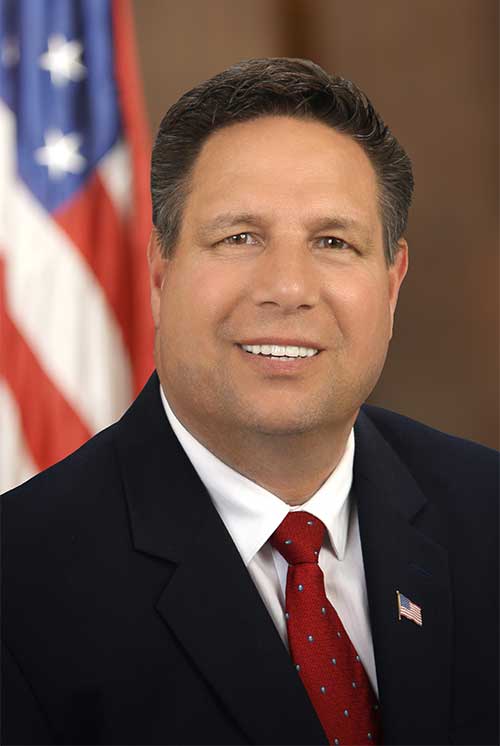
Brian Manktelow
House · District 130
|
R |
Strong −
|
10% | 31 |

Chris Tague
House · District 102
|
R |
Strong −
|
10% | 31 |
Showing 2,591–2,600 of 2,674
bills
All healthcare bills
S 5852: Relates to insurance reimbursement for cost of vaccinations
S 3592: Sets reimbursement rates for essential safety net hospitals
Sub-Topics
Hospitals
A 2348: Requires providers to share electronic health records with plans for purposes of improving patient care and reducing administrative delays
Topics
✓ HealthcareSupports HealthcareMandates secure electronic sharing of records to reduce administrative delays and improve patient care coordination, aligning with support indicators like streamlined access and provider- insurer collaboration.
✓ TechnologySupports TechnologyMandates data security and privacy compliance for electronic health record sharing, aligning with data privacy protections in technology policy.
S 3085: Relates to requiring health care facilities to report incidents of a sexual offense to the departments of both health and education
A 7220: Relates to the general hospital indigent care pool and funding for safety net and enhanced safety net hospitals
Topics
✗ Budget & TaxesOpposes Budget & TaxesBill imposes $275.4M annual cuts (2023+) to general hospitals unless qualifying as enhanced safety net, defunding non-qualifying essential providers despite initial funding allocation.
✓ HealthcareSupports HealthcareAllocates $139.4M annually to public hospitals and $969.9M to safety net hospitals with conditional funding retention to support low-income care access.
S 7896: Relates to the use of an artificial intelligence, algorithm, or other software tool for the purpose of utilization review
Topics
✓ HealthcareSupports HealthcareBill establishes safeguards for AI in insurance utilization review, preventing unfair coverage denials and protecting patient access to care.
✓ TechnologySupports TechnologyPrescribes safeguards for AI/algorithm use in insurance utilization review, protecting consumer data privacy and ensuring responsible tech deployment in healthcare
Sub-Topics
Artificial Intelligence
A 67: Relates to federal qualified health center rate adequacy
Topics
✓ Budget & TaxesSupports Budget & TaxesUpdates state payment rates for FQHCs to align with actual costs, ensuring adequate funding for essential health services in underserved communities through revised budget allocation methods.
✓ HealthcareSupports HealthcareUpdates FQHC payment rates to reflect actual costs, ensuring adequate funding for primary care in underserved communities, advancing healthcare access.
S 1712: Relates to including the services and care of school psychologists under Medicaid
Topics
✓ EducationSupports EducationRequires Medicaid to cover school psychologists' services, expanding student access to mental health support in schools without altering scope of practice.
✓ HealthcareSupports HealthcareExpands Medicaid coverage to include school psychology services, directly supporting mental health access for students without altering scope of practice.
S 1430: Requires insurance and Medicaid coverage for inpatient and outpatient substance abuse treatment for a period of not less than forty-five days
Topics
✓ Criminal JusticeSupports Criminal JusticeMandates substance abuse treatment coverage, aligning with rehabilitation-focused criminal justice reform to reduce recidivism.
✓ HealthcareSupports HealthcareMandates 45-day coverage for substance abuse treatment, prohibits stricter limits than medical care, expanding access to addiction services.