Issue · Healthcare

Healthcare (Hospitals)

Every healthcare bill, vote, and legislator stance in New York, automatically classified by Maddy, our AI policy reader.

Total bills
174
2025 Regular Session
Top supporter
Gustavo Rivera
100% support rate
Top opponent
George Borrello
0% support rate
Ranked legislators
10
5 support · 5 oppose
Key legislators

Who's moving hospitals in New York

Legislators moving hospitals in New York
Legislator Party Stance Support rate Votes
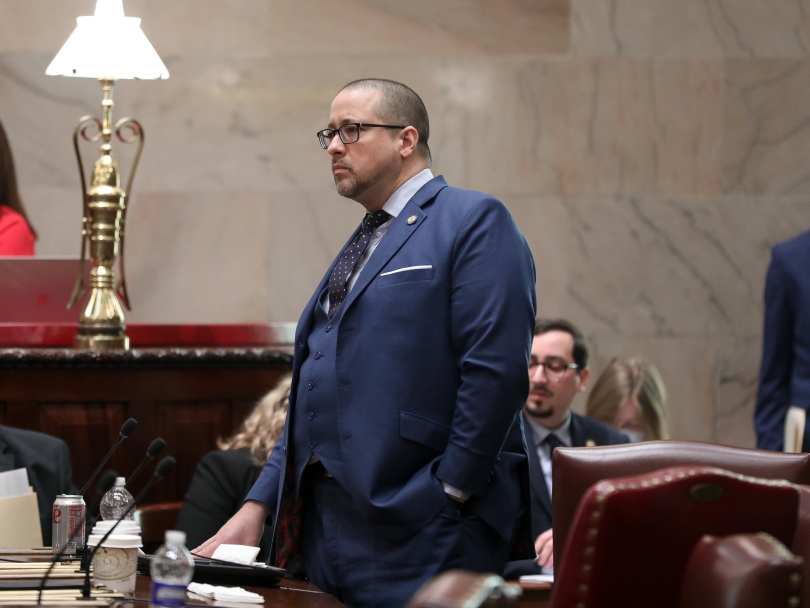
Gustavo Rivera
Gustavo Rivera Senate · District 33
D
Strong +
100% 20
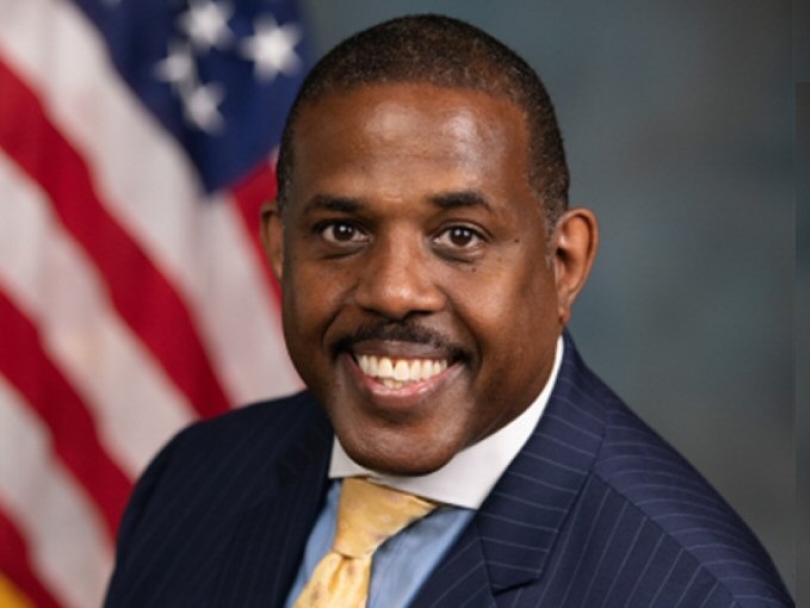
Kevin Parker
Kevin Parker Senate · District 21
D
Strong +
100% 20
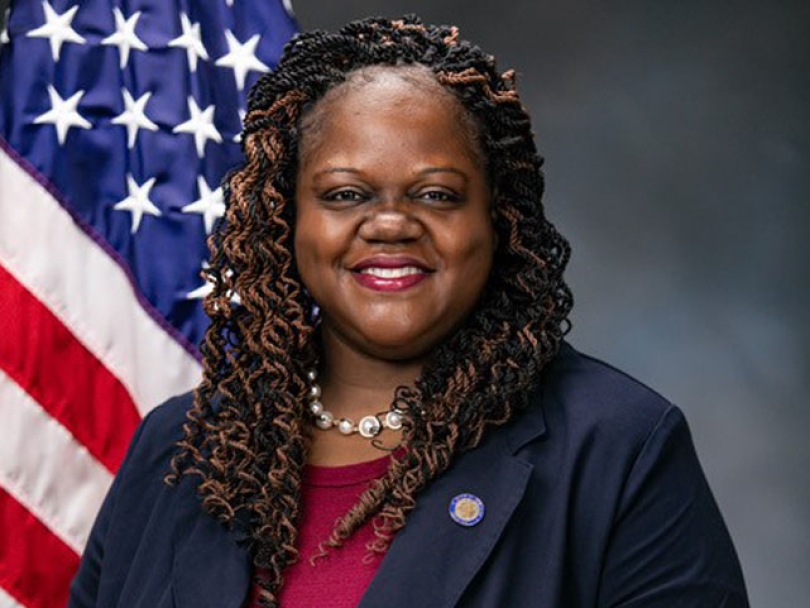
Kristen Gonzalez
Kristen Gonzalez Senate · District 59
D
Strong +
100% 19
Chris Ryan
Chris Ryan Senate · District 50
D
Strong +
100% 18
Lea Webb
Lea Webb Senate · District 52
D
Strong +
100% 17
George Borrello
George Borrello Senate · District 57
R
Strong −
0% 10
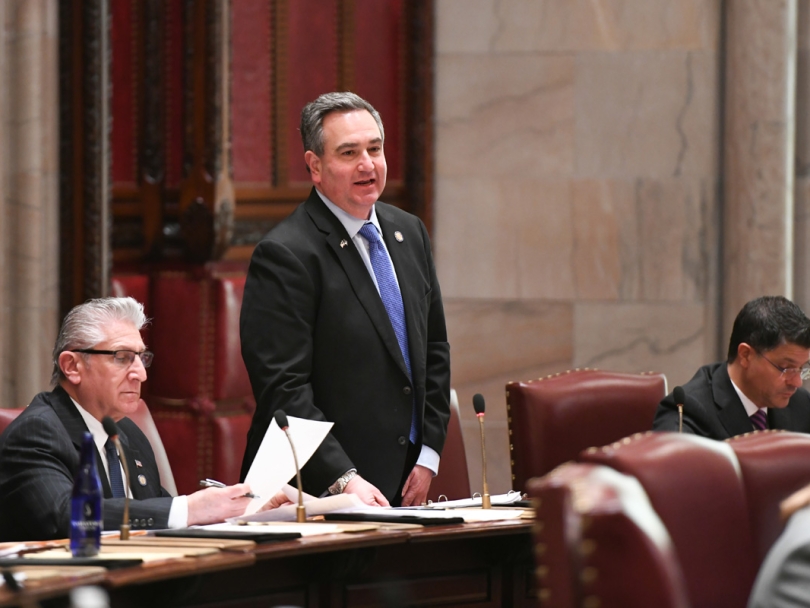
Joe Griffo
Joe Griffo Senate · District 53
R
Strong −
0% 10
Rob Ortt
Rob Ortt Senate · District 62
R
Strong −
0% 10
Dean Murray
Dean Murray Senate · District 3
R
Strong −
0% 8
Mario Mattera
Mario Mattera Senate · District 2
R
Strong −
0% 8
Showing 161–170 of 174 bills

All healthcare bills

in committee · New York · Senate Jan 7, 2026

S 5456: Requires providers to share electronic health records with plans for purposes of improving patient care and reducing administrative delays

S 5456 requires hospitals to share complete electronic health records (EHRs) electronically with health plan reviewers (utilization review agents) to verify medical necessity for individual patient care decisions, directly affecting hospitals, health plans, and patients. Key provisions mandate that shared records cannot be used for billing audits or historical pattern analysis, must include full medical history without excluding admission/discharge details, and prevent health plans from requesting redundant information already in the EHR. The bill also updates rules to limit unnecessary data requests during reviews and requires health plans to prioritize data security, including pursuing HITRUST certification for privacy compliance. These changes aim to streamline coverage determinations while protecting patient privacy and reducing administrative delays.
Sub-Topics Hospitals Insurance
in committee · New York · Senate Jan 7, 2026

S 3592: Sets reimbursement rates for essential safety net hospitals

Sets reimbursement rates for essential safety net hospitals at no less than regional average commercial rates for health care services provided by all hospitals in the same geographic region.
Sub-Topics Hospitals
in committee · New York · Assembly Jan 7, 2026

A 7220: Relates to the general hospital indigent care pool and funding for safety net and enhanced safety net hospitals

This bill adjusts funding for hospitals serving high numbers of low-income and uninsured patients (safety net hospitals). It allocates $139.4 million annually to major public hospitals and $969.9 million to other general hospitals, but applies annual reductions of $150 million (2020-2022) and $275.4 million (2023 onward) to the latter group - unless hospitals qualify as "enhanced safety net hospitals" under specific criteria. To qualify, hospitals must meet metrics like serving at least 45% Medicaid/uninsured patients, operating under financial hardship, or providing critical community services. Starting in 2026, the bill mandates an additional $228.4 million in funding for qualified safety net hospitals to support their operations and maintain services for vulnerable populations.
Sub-Topics Hospitals Medicaid
in committee · New York · Senate Jan 7, 2026

S 219: Enacts the health care tax reform act

This bill eliminates multiple taxes on health insurance in New York State, directly affecting consumers and health insurance companies. It phases out four specific taxes over time, including the $1.1 billion annual "covered lives assessment" on insured individuals, a 9.63% surcharge on hospital services, a $350 million flat tax on commercial insurance policies, and a $149 million tax on insurance companies. Key provisions gradually reduce these taxes: for instance, the insurance company tax drops from 1.75% to 0.37% by 2030 and is eliminated entirely after 2031. The legislation aims to lower health insurance costs by removing these taxes, which the bill states collectively cost consumers over $5 billion annually in 2018.
in committee · New York · Senate Jan 7, 2026

S 719: Requires all medical facilities to have immediate access to every single-occupancy bathroom where a patient could be in an emergency

S 719 requires all medical facilities - including hospitals, clinics, and urgent care centers - to ensure immediate access to every single-occupancy bathroom where a patient might be during an emergency. This applies directly to medical facilities with such bathrooms, mandating they remove barriers (like locked doors or restricted access) to allow staff to reach patients quickly. The key provision is that facilities must guarantee unobstructed entry to these bathrooms without delay during emergencies. The law takes effect immediately upon enactment.
Sub-Topics Hospitals
in committee · New York · Senate Jan 7, 2026

S 3510: Requires hospitals and healthcare facilities providing emergency services to develop plans to provide reasonable accommodations for service animals

Requires hospitals and healthcare facilities which provide emergency services to develop plans to provide reasonable accommodations to house a patient's service animal until such time as they can be picked up.
Sub-Topics Hospitals
in committee · New York · Assembly Jan 7, 2026

A 7276: Relates to enacting the "Nurse Safety Work Act"

This bill, the "Nurse Safety Work Act," requires hospitals to implement safety procedures ensuring staff are never alone with a patient unless specific safeguards are in place. Hospitals must either provide staff with a tracking device to signal for help or ensure additional staff are nearby and able to hear/assist a call for help. The law applies directly to all hospitals and takes effect immediately upon enactment. It focuses on concrete safety protocols for patient-staff interactions without specifying additional funding or enforcement details.
in committee · New York · Senate Feb 27, 2026

S 5296: Establishes Nicole's law, which provides for treatment of individuals with self-inflicted, life-threatening injuries

S 5296, "Nicole's Law," requires hospitals in the state to implement specific protocols for patients admitted with self-inflicted, life-threatening injuries like suicide attempts or drug overdoses. Hospitals must review a patient's history of such injuries, contact family/caregivers for background, and extend inpatient stays based on prior incidents. Upon discharge, hospitals must provide families with 48-hour notice, hold care planning meetings, connect patients to community-based mental health services, and schedule follow-up checks. The law also mandates clinical trials to offer crisis resources and referrals if participants disclose past suicide attempts. This directly affects hospitals, patients with repeated self-harm, and community mental health providers.
in committee · New York · Senate Jan 7, 2026

S 6686: Requires pre-admission notification of policies authorizing the refusal to follow directives in health care proxies that are contrary to a hospital's operating principles

Requires pre-admission notification of policies authorizing the refusal to follow directives in health care proxies that are contrary to a hospital's operating principles.
Sub-Topics Hospitals
in committee · New York · Assembly Jan 7, 2026

A 8604: Provides additional support to medically fragile children

This bill requires health insurers to review coverage requests for medically fragile children differently, considering their unique medical needs rather than using standard adult guidelines. It mandates case-by-case decisions for services like skilled nursing, therapy, and home health care to help these children reach age-appropriate functional capacity. Insurers must pay for inpatient hospital or residential care days when specialized home services aren't available or when waiting for a residential facility bed. The law directly affects children with complex medical conditions requiring 24/7 care, their families, and health insurers managing Medicaid or private plans.
Showing 161 to 170 of 174 bills