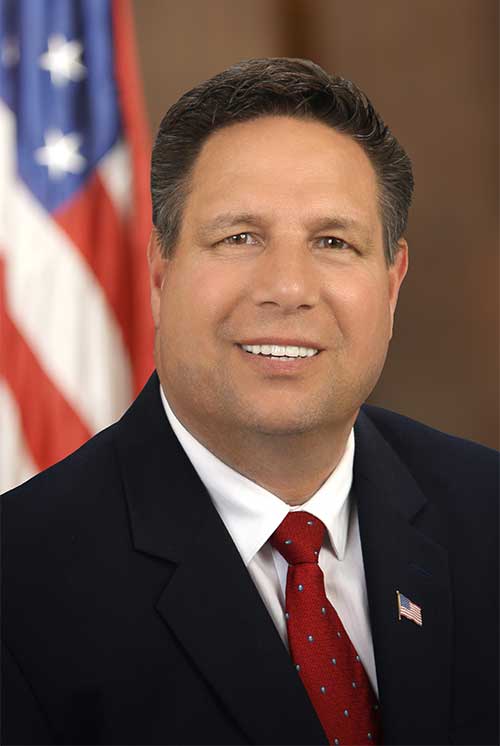
This bill would allow Nassau County to optionally provide disability coverage for its probation officers. If enacted, it would require the county to pay full salary and cover all medical costs if a probation officer is injured or becomes ill while performing job duties. The coverage would apply specifically to Nassau County probation officers (not officers in other counties) and prohibits medical providers from billing officers for covered treatments. The bill amends existing municipal law to include county probation officers under the same disability coverage provisions already available to other public safety personnel in Nassau County.
Establishes a long COVID-19 review board for the purpose of reviewing the research and data in the state on long COVID and developing and disseminating findings, recommendations, and best practices to contribute to the prevention of long COVID.
Enacts the New York state nursing shortage correction act; creates statewide nursing recruitment incentive and retention pilot initiatives; establishes the New York state nursing recruitment incentive and retention account.
This bill increases Medicaid reimbursement rates for rural home health care providers to cover actual transportation costs incurred while delivering services in designated rural areas. It directly affects home health agencies providing in-home care to Medicaid recipients in rural locations, requiring the state commissioner to develop separate cost calculations for transportation expenses. The reimbursement increase applies to all home health services under Medicaid, including those provided through federal waivers. The bill mandates that payments cover the specific extra costs of rural service delivery, not general operational expenses.
Requires insurers offering renewal of certain Medicare supplemental insurance policies or providing notification of a change in premiums of such policies to notify policyholders of the availability of policies offered by such insurer with similar benefits at a comparable premium or the ability of such policyholder to purchase a different policy without the pre-existing condition waiting period; applies to policies for which such insurers no longer accept new contracts but continue to renew for existing policyholders.
This bill establishes standards for addiction professionals in New York by defining the term "addiction professional" and requiring minimum qualifications for licensure. It mandates that professionals complete approved training in trauma-informed care, co-occurring disorder treatment, and sensitivity training, with specific requirements for services related to substance use disorders and compulsive gambling. The Office of Addiction Services and Supports will issue licenses, credentials, and authorizations, create a credentialing board, and set fees, while ensuring services are accessible regardless of gender identity or sexual orientation. These standards directly affect addiction counselors and the patients they serve, aiming to improve service quality and patient rights.
Allows for principals to be remanded into custody for drug treatment where there is a risk of continued substance abuse or the use of an opioid antagonist was required.
This bill makes the Empire State Stem Cell Board permanent, ending its previous expiration date of December 31, 2025. The board, which manages a state trust fund for stem cell research, oversees grants for scientific research in stem cell biology. It directly affects research institutions and scientists receiving these grants. The change ensures ongoing funding for stem cell research without time limits.
Bill S 7527 proposes to create a distinctive parking placard for duly licensed midwives. This placard would allow midwives to park their vehicles in "no parking" zones, but not "no stopping" or "no standing" zones, for up to one hour while attending to a patient in the immediate vicinity. The aim is to provide quicker access and swift care to patients. Midwives would apply for the placard, verify their license annually, and pay an initial service charge.
Requires vision screening examinations for students using examination devices and testing methods, including, but not limited to, the Snellen Eye Test Chart and automated vision screening devices.