

Issue · Healthcare
Healthcare
Every healthcare bill, vote, and legislator stance in New York, automatically classified by Maddy, our AI policy reader.
Total bills
2,747
2025 Regular Session
Top supporter
Jessica Ramos
100% support rate
Top opponent
Dave DiPietro
7% support rate
Ranked legislators
10
5 support · 5 oppose
Key legislators
Who's moving healthcare in New York
| Legislator | Party | Stance | Support rate | Decisive votes |
|---|---|---|---|---|

Jessica Ramos
Senate · District 13
|
D |
Strong +
|
100% | 120 |

Jeremy Zellner
Senate · District 61
|
D |
Strong +
|
100% | 65 |
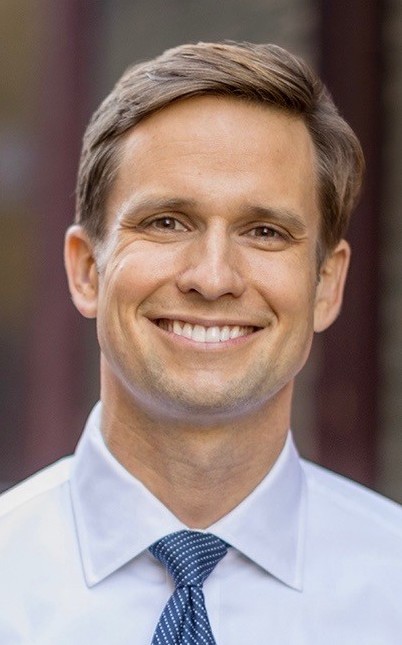
Erik Bottcher
Senate · District 47
|
D |
Strong +
|
100% | 61 |

Keith Powers
House · District 74
|
D |
Strong +
|
100% | 18 |
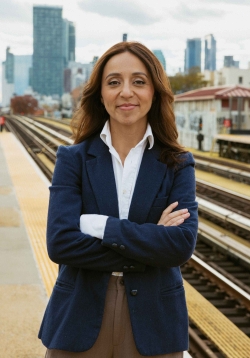
Diana Moreno
House · District 36
|
D |
Strong +
|
100% | 17 |

Dave DiPietro
House · District 147
|
R |
Strong −
|
7% | 30 |

Chris Friend
House · District 124
|
R |
Strong −
|
8% | 26 |

Mark Walczyk
Senate · District 49
|
R |
Strong −
|
8% | 147 |
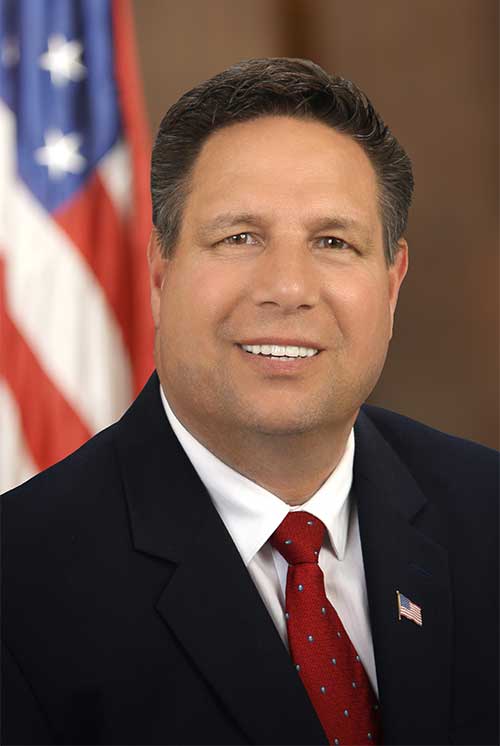
Brian Manktelow
House · District 130
|
R |
Strong −
|
10% | 31 |

Chris Tague
House · District 102
|
R |
Strong −
|
10% | 31 |
Showing 1,031–1,040 of 2,747
bills
All healthcare bills
A 2197: Establishes training and registration requirements for kidney dialysis patient care technicians
A 5161: Provides pregnant persons with alternative birth choices to preserve the life of a fetus when electing to have an abortion
Sub-Topics
Women's Health
A 832: Relates to requiring at least a ratio of one clinical, non-student mental health staff member per one thousand students on all SUNY and CUNY campuses
Topics
✓ EducationSupports EducationRequires mental health staff ratio on campuses, enhancing student support services and access to care within higher education institutions.
✓ HealthcareSupports HealthcareRequires mental health staff ratio on campuses, expanding access to student mental health services per bill's explicit mandate.
S 6098: Enacts the uniform emergency volunteer health practitioners act for declared state disaster emergencies
S 7474: Relates to establishing a cause of action for medical monitoring
A 3409: Authorizes real property taxing jurisdictions to grant a partial tax exemption for property purchased by a clinician in a clinician shortage area
Topics
✓ Budget & TaxesSupports Budget & TaxesProvides partial property tax exemption for clinicians in shortage areas with state aid, offering targeted tax relief while maintaining fiscal balance for jurisdictions.
✓ HealthcareSupports HealthcareProvides tax incentives to attract clinicians to shortage areas, improving healthcare access and workforce availability in underserved regions.
✓ HousingSupports HousingProvides tax exemption for clinicians' primary residences in shortage areas, increasing affordability for healthcare workers and indirectly supporting housing access in underserved regions.
Sub-Topics
Tax Incentives
A 8320: Creates a distinctive parking placard to allow midwives to park closer to patients' homes in order to provide swift care
A 3845: Establishes the psilocybin assisted therapy pilot program for veterans and first responders and a psilocybin assisted therapy pilot program fund; appropriation
Topics
✓ Budget & TaxesSupports Budget & TaxesBill establishes a dedicated fund for a pilot program via appropriation, directly allocating state budget resources to fund a new initiative for veterans and first responders.
✓ HealthcareSupports HealthcareBill establishes a mental health therapy pilot program for veterans, expanding access to psilocybin-assisted treatment under healthcare services.
✓ VeteransSupports VeteransBill creates new mental health therapy access for veterans, expanding healthcare benefits through a dedicated pilot program targeting veterans' mental wellness needs.
Sub-Topics
Appropriations