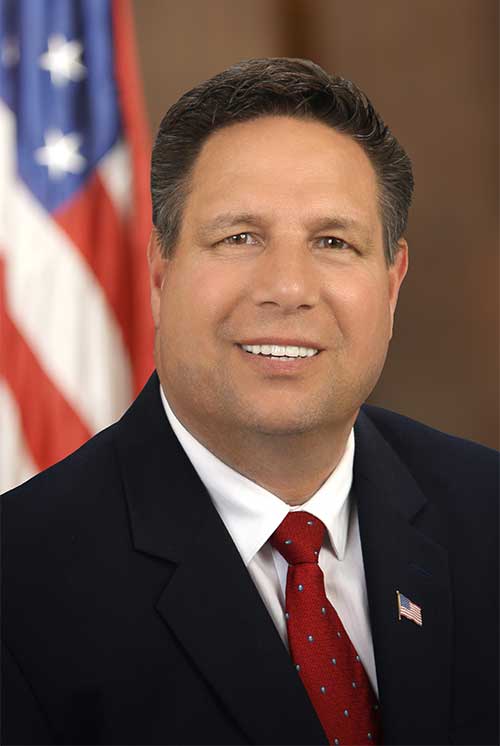
This bill amends multiple New York State laws to replace the terms "addict" or "addicts" with "person with substance use disorder" or a similar phrase throughout legal texts. It specifically updates references in the judiciary law (affecting court proceedings), mental hygiene law (governing treatment programs), and public health law (regarding controlled substance dispensing). The change applies to all relevant legal documents, including those describing mental health hearings, treatment eligibility, and medication administration protocols. This terminology shift aims to reduce stigma by using person-centered language consistent with modern healthcare and legal standards. The bill was signed into law as Chapter 511 on November 21, 2025.
Provides that supervision by a licensed physical therapist of a physical therapist assistant shall be continuous but shall not require the physical presence of the licensed physical therapist at the time and place where services are being performed; requires a licensed physical therapist to be available for consultation with the physical therapist assistant or the patient within a reasonable amount of time.
Authorizes practitioners in institutional dispensers to dispense controlled substances as emergency treatment for use off the premises of the institutional dispenser; authorizes practitioners to dispense controlled substances for use in maintenance or detoxification treatment to an addict or habitual user.
This bill (S 3236) allows registered pharmacy technicians to work in any licensed pharmacy under the direct supervision of a licensed pharmacist. It permits technicians to assist with tasks like preparing, labeling, and dispensing prescriptions or medications - provided these tasks require no professional judgment (which remains the pharmacist's responsibility). The law requires pharmacists to be physically present during these tasks, authorize all work, and approve it before any medication is dispensed. The pharmacy must also ensure technicians receive proper training before they begin assisting. The bill is now law (signed November 21, 2025).
Requires hospitals to permit an interpreter to remain with a deaf, hard of hearing or nonverbal patient during admission to a hospital until appropriate hospital staff is assigned to interpret.
S 1720 would have required New York's public health department to launch an awareness campaign about hormone replacement therapy (HRT) for perimenopause and menopause symptoms. The campaign would have provided women directly affected by these symptoms with plain-language information on HRT benefits, risks, side effects, available types, and current medical recommendations. The bill specifically mandated that the campaign cover symptom management, health risks, and evidence-based usage guidelines for HRT. However, the bill was vetoed by the governor on October 16, 2025, so it did not become law.
Prohibits correctional facilities from denying entry to peer support advocates who are certified or licensed and are participating in the provision of corrections-based substance use disorder treatment and transition services based on such advocates' prior history of incarceration.
Establishes a state frontotemporal degeneration registry; defines terms; requires every physician, nurse practitioner, nurse physician assistant and general hospital that diagnoses or is treating a patient diagnosed with an FTD disorder to give notice to the department; requires certain information to be confidential; sets forth the duties of the commissioner of health; requires the department of health to create and maintain a webpage.
This bill removes a New York state law that previously prohibited transplant patients from being listed on waiting lists at multiple organ procurement organizations. It directly affects patients awaiting organ transplants who may now be eligible for placement on waiting lists at different facilities within New York. The key change eliminates the specific ban (previously in Public Health Law §4363) that prevented patients from having multiple listings simultaneously. This amendment updates organ allocation rules to allow patients to potentially access multiple transplant programs without violating state policy. The law took effect immediately upon signing on October 16, 2025.
This bill extends Chautauqua County's authority to impose an additional 1% sales and use tax until November 30, 2027. It directly affects residents and businesses in Chautauqua County who pay sales taxes, as the county will continue collecting this tax during the extended period. The bill specifies that 3/20th of the tax revenue must be allocated to local municipalities based on population, while the remainder funds county Medicaid expenses, road projects, capital improvements, and debt repayment. This is a procedural extension of an existing tax authorization, not a new tax.