Issue · Energy

Energy

Every energy bill, vote, and legislator stance in New York, automatically classified by Maddy, our AI policy reader.

Total bills
48
119th Congress
Top supporter
Daniel S. Goldman
71% support rate
Top opponent
Claudia Tenney
33% support rate
Ranked legislators
10
5 support · 5 oppose
Key legislators

Who's moving energy in New York

Legislators moving energy in New York
Legislator Party Stance Support rate Votes
Daniel S. Goldman
Daniel S. Goldman House · District 10
D
Support
71% 236
Josh Riley
Josh Riley House · District 19
D
Support
70% 256
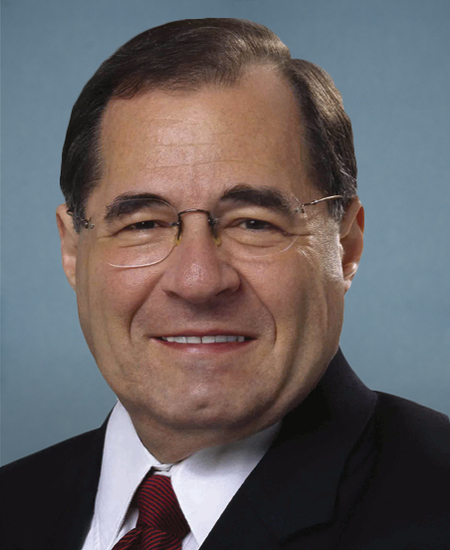
Jerrold Nadler
Jerrold Nadler House · District 12
D
Support
69% 232
Nydia M. Velázquez
Nydia M. Velázquez House · District 7
D
Support
69% 245
Alexandria Ocasio-Cortez
Alexandria Ocasio-Cortez House · District 14
D
Support
69% 254
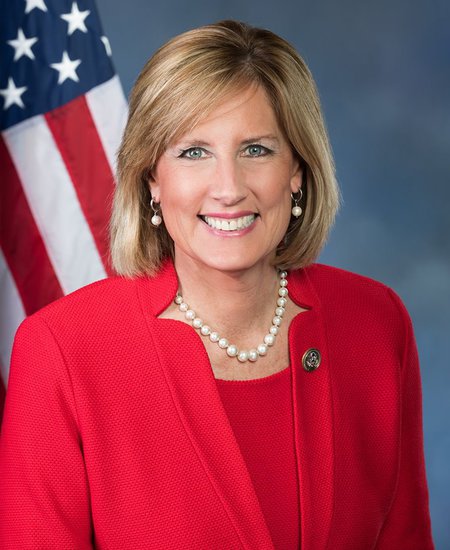
Claudia Tenney
Claudia Tenney House · District 24
R
Oppose
33% 258
Michael Lawler
Michael Lawler House · District 17
R
Oppose
33% 257
Andrew R. Garbarino
Andrew R. Garbarino House · District 2
R
Oppose
34% 251
Nicholas A. Langworthy
Nicholas A. Langworthy House · District 23
R
Oppose
34% 259
Elise M. Stefanik
Elise M. Stefanik House · District 21
R
Oppose
34% 222
Showing 1–10 of 48 bills

All energy bills

in committee · United States · Senate Jul 16, 2026

S 5025: Lindsey O. Graham Sanctioning Russia Act of 2026

This bill establishes a comprehensive sanctions framework targeting the Russian government and its affiliated entities in response to ongoing military actions. It authorizes the President to block assets, revoke visas, and prohibit financial transactions for Russian officials, military leaders, and foreign persons supporting Russia's defense industry or undermining Ukraine. The legislation also bans U.S. investments in Russian energy sectors, prohibits the purchase of Russian sovereign debt, and imposes high tariffs on Russian imports while restricting crude oil purchases by specific foreign nations. Additionally, the bill prevents Russian companies from listing on U.S. stock exchanges and includes mechanisms for terminating sanctions only if Russia signs a peace agreement accepted by Ukraine and ceases hostilities.
Sub-Topics Oil & Gas
in committee · United States · House Apr 16, 2026

HR 8330: Stop Climate Shakedowns Act of 2026

The Stop Climate Shakedowns Act of 2026 prohibits state and local governments from suing energy companies for damages related to climate change or greenhouse gas emissions. This bill declares that regulating emissions is exclusively a federal responsibility and voids any state laws that hold energy businesses liable for alleged climate harms. Consequently, all pending lawsuits of this nature against energy producers must be dismissed immediately, preventing states from imposing retroactive penalties for past lawful operations. The legislation directly affects companies involved in the production, refinement, and sale of oil, gas, and coal by shielding them from civil liability in both state and federal courts.
in committee · United States · House Jun 24, 2026

HR 9442: Artificial Intelligence Data Center Moratorium Act

This bill, titled the Artificial Intelligence Data Center Moratorium Act, halts the construction and upgrading of large-scale artificial intelligence data centers until specific federal laws are passed. It defines these facilities as sites with high power capacity or advanced cooling systems used for developing AI models. The moratorium remains in effect until new legislation ensures federal safety reviews for AI products, mandates that economic benefits reach workers rather than just wealthy owners, prevents increases in utility bills, avoids environmental harm, requires community approval, bans government subsidies, and guarantees union jobs with strong labor standards. Additionally, the bill restricts the export of computing hardware, such as semiconductors and networking equipment, to countries that do not adopt these same protective laws for AI development.
in committee · United States · House Jul 14, 2026

HR 9317: BUSES Act

The BUSES Act establishes a national minimum standard requiring that restrictions on bus engine idling cannot last for less than 15 minutes, applying to both over-the-road and school buses. This rule prevents states and local governments from enforcing shorter idling limits through their existing air quality plans. Additionally, the legislation prohibits private citizens from suing bus owners or operators for violating these idling rules and bans state programs that pay individuals for reporting such violations.
in committee · United States · House Apr 23, 2026

HR 8477: To amend the Internal Revenue Code of 1986 to reverse certain energy-related modifications enacted by Public Law 119-21.

This bill proposes to reverse several tax incentives for energy efficiency and clean energy that were previously extended by a 2024 law. It would end the tax deduction for energy-efficient commercial buildings, shorten the expiration date for the energy-efficient home credit, and delay the deadline for constructing clean hydrogen facilities. Additionally, the legislation would remove limits on the amount of credits available for clean electricity production and change how the phase-out of these credits is triggered. These changes directly affect property owners, builders, and businesses that currently rely on these specific tax breaks to fund green projects.
in committee · United States · Senate May 20, 2026

S 4588: Taxing Buybacks from Big Oil Windfalls Act

This bill increases the corporate tax rate on stock buybacks to 25 percent for large oil and gas companies that meet specific revenue and operational criteria. It targets corporations with an average annual gross receipt of at least $1 billion that are primarily engaged in producing, refining, processing, transporting, or distributing oil or natural gas. The higher tax rate applies only to stock repurchases made after the bill is enacted and before gasoline prices fall below $2.937 per gallon for five consecutive weeks. If gasoline prices drop below this threshold, the special tax provision ceases to apply, and companies may claim a partial reduction in their tax liability based on the duration of the high-price period.
in committee · United States · House Mar 26, 2026

HR 8108: End Polluter Welfare for Enhanced Oil Recovery Act of 2026

This bill, titled the "End Polluter Welfare for Enhanced Oil Recovery Act of 2026," eliminates federal tax credits related to enhanced oil recovery (EOR). It directly affects oil and gas companies that utilize or plan to utilize EOR methods. Specifically, the bill strikes Section 43 of the Internal Revenue Code, thereby ending the existing Enhanced Oil Recovery Credit. Furthermore, for new facilities constructed after the bill's enactment, it removes eligibility for the carbon capture tax credit (Section 45Q) when captured carbon oxide is used for enhanced oil recovery. These changes discontinue tax incentives that support specific oil extraction techniques.
Sub-Topics Tax Credits Oil & Gas
in committee · United States · House Mar 17, 2026

HR 7957: Preserve the Traditional Cultural Place Chí’chil Biłdagoteel Historic District Act

This bill designates the Chí'chil Biłdagoteel Historic District, a traditional cultural place significant to Western Apache and other Native American tribes, as protected land within the Tonto National Forest. It prohibits mining, toxic waste disposal, pipeline construction, and other development activities on the area to preserve its cultural and natural integrity. The legislation requires the Secretary of Agriculture to maintain the land in its natural condition, consult with affected tribes, and ensure continued access for traditional religious and cultural practices. By withdrawing the land from public land laws and mining rights, the bill prevents future extraction projects that could damage sacred sites, water sources, and ecosystems.
in committee · United States · House Apr 9, 2026

HR 8222: End Russian Oil Windfalls Act

This bill prohibits the sale and delivery of Russian crude oil and petroleum products that were loaded onto vessels after March 5, 2026, and bans future Treasury licenses for such transactions. It requires the President to impose sanctions within 30 days on Russian individuals and entities involved in oil and gas extraction, refinement, or maritime transportation, including blocking their U.S.-based assets and revoking their U.S. visas. The legislation includes exceptions for humanitarian goods like food and medicine, as well as intelligence and national security activities. Additionally, the bill mandates regular reports to Congress on Russian oil export volumes, revenues, and any involvement of Russian energy companies in the abduction of Ukrainian children.
Sub-Topics Oil & Gas
in committee · United States · House Apr 9, 2026

HR 8220: NOPE Act

The NOPE Act prohibits the sale and delivery of Iranian crude oil and petroleum products by canceling a specific Treasury license and restricting future transactions related to such exports. It requires the President to impose sanctions on Iranian individuals and entities involved in oil extraction, refining, or maritime transportation of petroleum products, including blocking their U.S. assets and revoking their visas. The bill includes exceptions for humanitarian aid, UN-related activities, and national security operations, while also mandating regular reports to Congress on the impact of these restrictions on Iranian oil exports and revenues.
Sub-Topics Oil & Gas
Showing 1 to 10 of 48 bills
1 2 3 5 Next