Issue · Criminal Justice

Criminal Justice (Sentencing)

Every criminal justice bill, vote, and legislator stance in New York, automatically classified by Maddy, our AI policy reader.

Total bills
117
2025 Regular Session
Top supporter
Brian Kavanagh
100% support rate
Top opponent
Dean Murray
0% support rate
Ranked legislators
10
5 support · 5 oppose
Key legislators

Who's moving sentencing in New York

Legislators moving sentencing in New York
Legislator Party Stance Support rate Votes
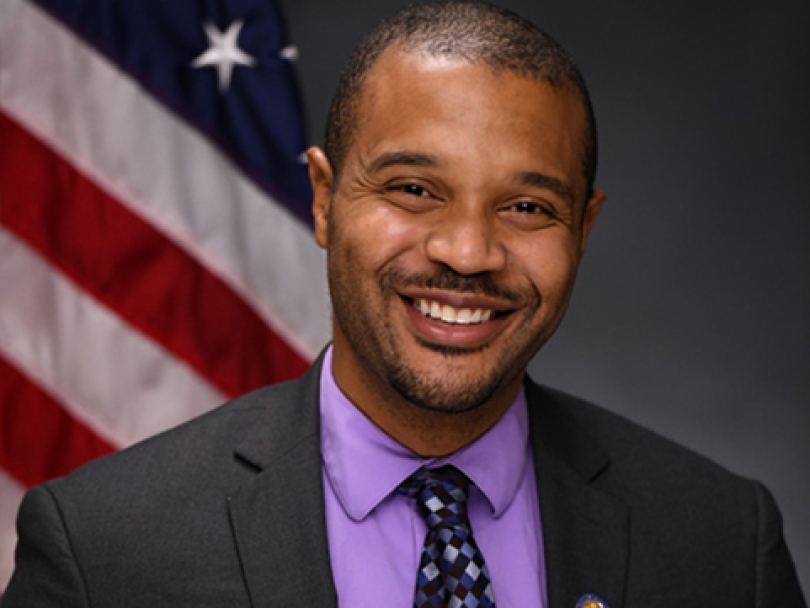
Brian Kavanagh
Brian Kavanagh Senate · District 27
D
Strong +
100% 6
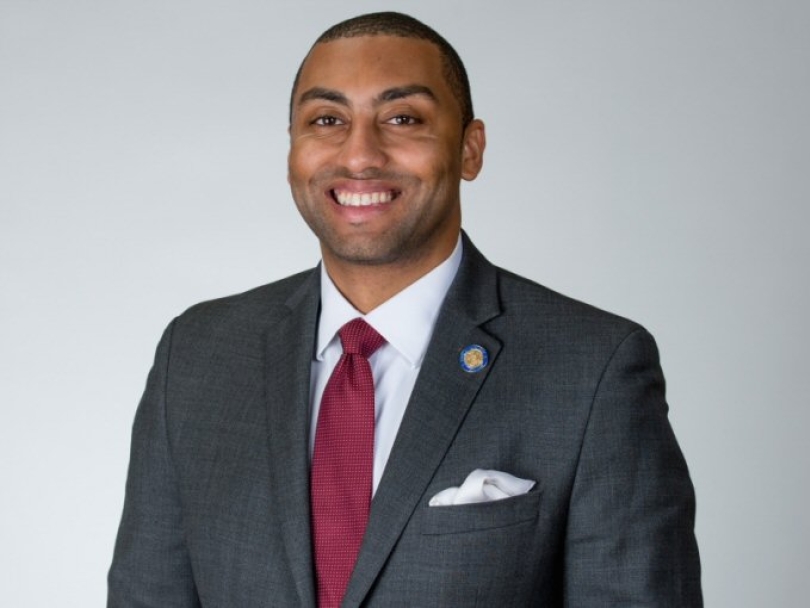
Jabari Brisport
Jabari Brisport Senate · District 25
D
Strong +
100% 6
Jamaal Bailey
Jamaal Bailey Senate · District 36
D
Strong +
100% 6
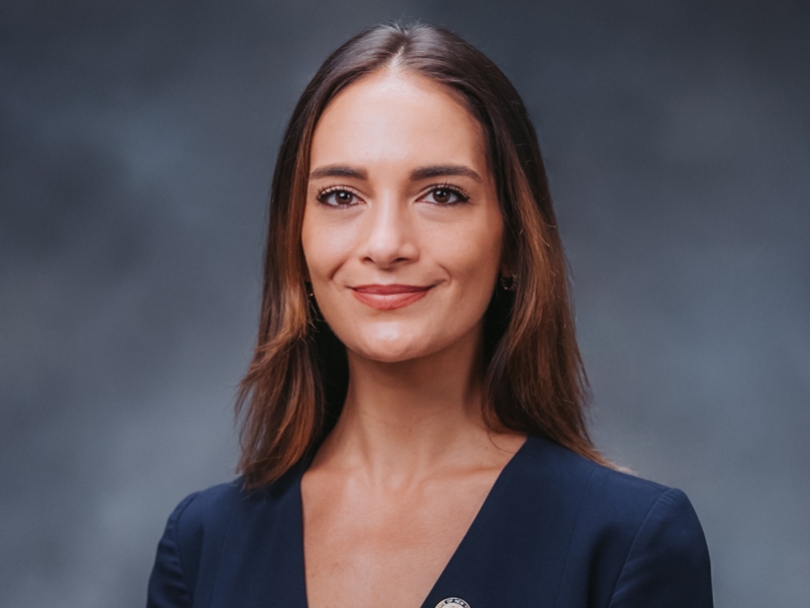
Julia Salazar
Julia Salazar Senate · District 18
D
Strong +
100% 6
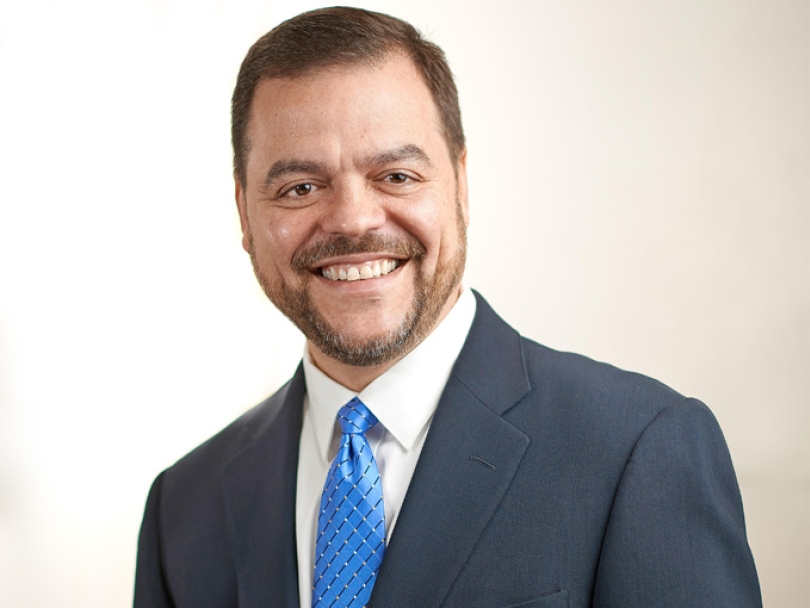
Luis Sepúlveda
Luis Sepúlveda Senate · District 32
D
Strong +
100% 6
Dean Murray
Dean Murray Senate · District 3
R
Strong −
0% 6
Tom O'Mara
Tom O'Mara Senate · District 58
R
Strong −
0% 6
Alexis Weik
Alexis Weik Senate · District 8
R
Strong −
0% 3
Anil Beephan
Anil Beephan House · District 105
R
Strong −
0% 3
Ari Brown
Ari Brown House · District 20
R
Strong −
0% 3
Showing 81–90 of 117 bills

All criminal justice bills

in committee · New York · Senate Jan 7, 2026

S 5019: Relates to the discharging of certain sentences

This bill (S 5019) expands eligibility for early sentence termination by making **all felony convictions** eligible for discharge, removing prior restrictions that excluded certain felonies under New York's Penal Law. It directly affects individuals serving felony sentences under community supervision who have completed **three consecutive years** without revocation. The parole board may grant discharge if it determines this is in society's best interest, provided the person has made a good-faith effort to pay restitution, fees, and surcharges. The discharge ends the sentence entirely for the affected offense, with no automatic eligibility. This changes the current law by removing exclusions for specific felony types.
in committee · New York · Assembly Jan 7, 2026

A 6429: Relates to second felony drug offenders; repealer

This bill (A 6429) amends New York's penal law to remove an exception for second felony drug offenders. Specifically, it deletes language that previously allowed some second-time drug offenders (whose prior felony wasn't violent) to avoid mandatory sentencing. The bill repeals a related subdivision (Subdivision 4 of Section 70.70) and updates definitions in the criminal procedure law regarding prior convictions. These changes apply immediately to cases where sentencing occurs after the effective date, affecting second felony drug offenders who would no longer qualify for the removed exception.
Sub-Topics Drug Policy Sentencing
in committee · New York · Assembly Jan 7, 2026

A 2654: Relates to the age of persons eligible for a sentence of life imprisonment without parole

Bill A 2654 clarifies that only individuals aged 18 or older at the time of the crime may receive a life imprisonment sentence without parole. It specifically applies to convictions for first-degree murder, certain terrorism offenses, or aggravated murder, requiring judges to impose life without parole for 18+ defendants in these cases. The bill also specifies that defendants aged 17 or younger at the time of the crime cannot receive life without parole and must instead be sentenced to an indefinite term with a maximum life sentence. This amendment updates existing sentencing rules to establish a clear age threshold for this severe penalty.
in committee · New York · Assembly Jan 7, 2026

A 7201: Relates to sentencing

This bill changes sentencing rules for youthful offenders (individuals under 18) who receive a "youthful offender finding" instead of a felony conviction. It requires courts to impose sentences based on the type of felony involved: for felonies in specific articles (e.g., violent or sex offenses), sentences follow class E felony guidelines, including mandatory post-release supervision. For other felonies, standard class E felony sentencing applies, but judges cannot issue conditional/unconditional discharges in certain cases. The law takes effect immediately for offenses committed on or after the effective date.
passed · New York · Senate May 19, 2026

S 611: Provides for victim statements at the sentencing of a defendant for a misdemeanor

This bill amends sentencing rules to allow victims to make statements at sentencing for specific misdemeanor cases. It directly affects victims of misdemeanors involving serious physical injury caused by vehicle-related offenses (like reckless driving) that were initially charged as felonies. The key provision requires courts to permit victim statements if requested at least 10 days before sentencing, and to notify defendants of this intent at least 7 days prior. If defendants don't receive timely notice, they may request a sentencing delay. The bill does not change sentencing outcomes but adds a procedural step for victim input in these defined cases.
failed · New York · Assembly Jan 7, 2026

A 1596: Requires mandatory jail time for violators of orders of protection

Bill A 1596 mandates specific minimum jail sentences for individuals who violate an existing order of protection by committing a family offense. For a first such violation, courts would be required to impose a jail term of no less than five days. A second violation involving a family offense would incur a mandatory minimum of fifteen days, while a third or subsequent violation would require a minimum of thirty days. This bill directly affects individuals who are found to have violated an order of protection through the commission of a family offense.
in committee · New York · Assembly Jan 7, 2026

A 6863: Establishes an alternative resolution program for service members and veterans accused of certain felonies

This bill creates a program allowing courts to offer veterans and active service members accused of certain non-violent felonies (excluding sex offenses and specific violent crimes) an alternative to standard sentencing. It requires courts to assess whether the individual's military service contributed to their crime through a court-approved evaluation for conditions like PTSD or substance abuse. If eligible, defendants receive treatment instead of jail time, with the court considering if their service-related condition played a role in the offense. The program aims to address gaps in mental health care for veterans within the criminal justice system.
failed · New York · Assembly May 5, 2026

A 5116: Prohibits the release of persons convicted of first degree murder

This bill (A 5116) prohibits the release of individuals convicted of first-degree murder through parole or any other means. It mandates that courts must sentence such offenders to either the death penalty or life imprisonment without parole, eliminating any possibility of parole consideration. The law directly affects people convicted of first-degree murder under New York Penal Law, requiring mandatory life sentences without parole options for this specific crime. The bill amends existing sentencing provisions to ensure no release is permitted for these offenders.
in committee · New York · Senate Jan 7, 2026

S 990: Classifies criminal possession of a firearm from a class E felony to a class D felony

S 990 reclassifies criminal possession of a firearm from a class E felony to a class D felony under New York's penal law. This change directly affects individuals convicted of possessing a firearm without proper registration, reducing the severity of the penalty for this offense. The bill amends Section 265.01-b of the penal law to update the felony classification, which would result in potentially lighter sentencing for such convictions. The key mechanism is the straightforward reclassification of the offense level, without altering the underlying conduct or registration requirements. This is a substantive policy change affecting sentencing for a specific criminal charge.
in committee · New York · Assembly Jan 7, 2026

A 5895: Provides for orders of protection for harassment

This bill amends New York's criminal procedure law to clarify when courts can issue orders of protection for harassment victims during criminal cases. It specifies that courts may issue temporary protection orders while a case is pending and must state reasons for issuing or denying final protection orders after sentencing. The bill sets new maximum durations for these orders based on offense type: up to 8 years for felony convictions (10 years for certain sexual assault cases), 5 years for class A misdemeanors (6 years for sexual assault), and 2 years for other offenses. These changes directly affect courts handling criminal cases, defendants convicted of harassment-related crimes, and victims seeking legal protection.
Showing 81 to 90 of 117 bills
Previous 1 8 9 10 12 Next