Issue · Criminal Justice

Criminal Justice (Courts)

Every criminal justice bill, vote, and legislator stance in New York, automatically classified by Maddy, our AI policy reader.

Total bills
254
2025 Regular Session
Top supporter
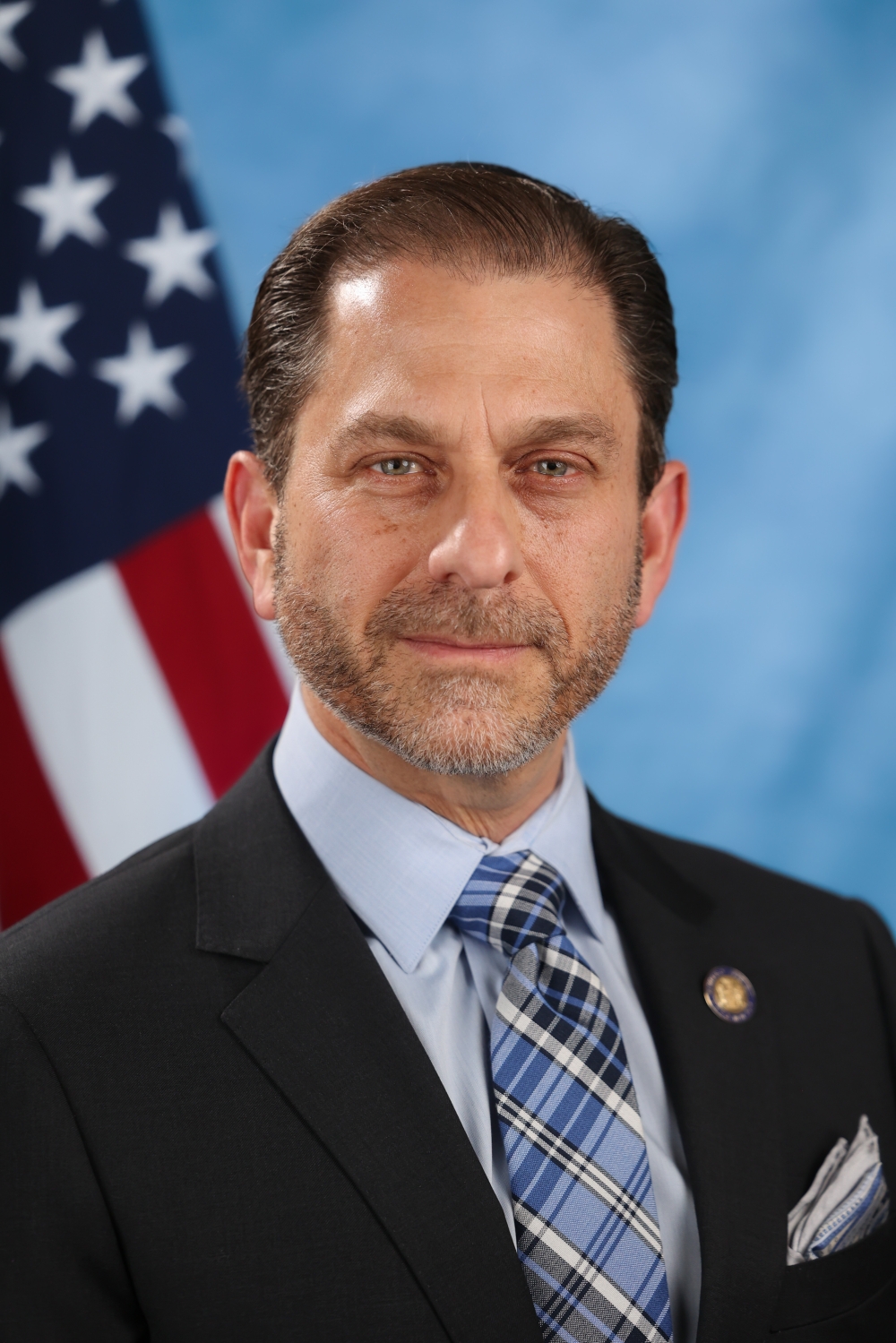
Shelley Mayer
100% support rate
Top opponent
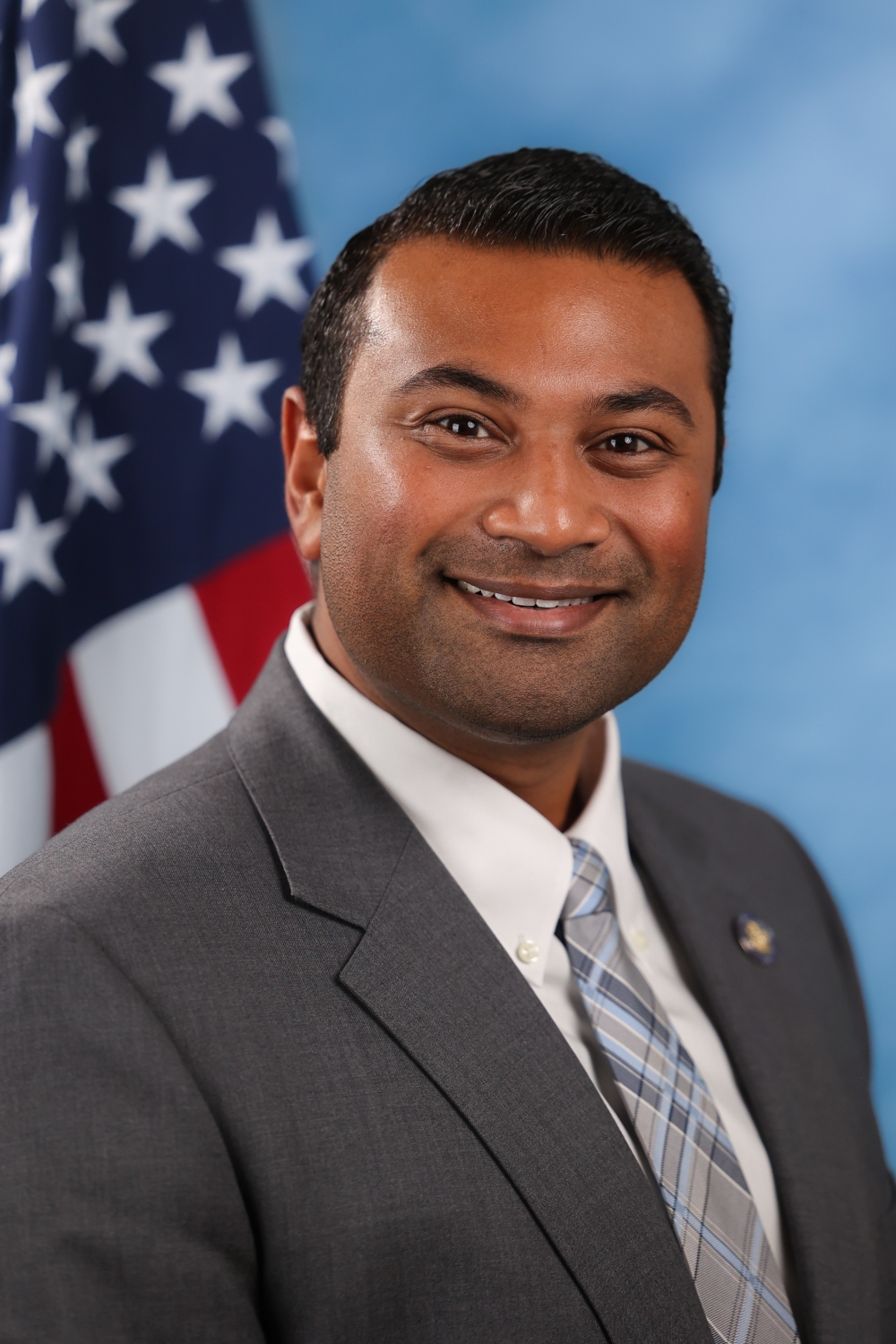
Anil Beephan
0% support rate
Ranked legislators
10
5 support · 5 oppose
Key legislators

Who's moving courts in New York

Legislators moving courts in New York
Legislator Party Stance Support rate Votes
Shelley Mayer
Shelley Mayer Senate · District 37
D
Strong +
100% 27
Toby Stavisky
Toby Stavisky Senate · District 11
D
Strong +
100% 24
Gustavo Rivera
Gustavo Rivera Senate · District 33
D
Strong +
100% 23
Leroy Comrie
Leroy Comrie Senate · District 14
D
Strong +
100% 23
Jessica Ramos
Jessica Ramos Senate · District 13
D
Strong +
100% 22
Anil Beephan
Anil Beephan House · District 105
R
Strong −
0% 6
Ari Brown
Ari Brown House · District 20
R
Strong −
0% 6
Brian Miller
Brian Miller House · District 122
R
Strong −
0% 6
Chris Friend
Chris Friend House · District 124
R
Strong −
0% 6
Chris Tague
Chris Tague House · District 102
R
Strong −
0% 6
Showing 201–210 of 254 bills

All criminal justice bills

passed both · New York · Senate May 18, 2026

S 329: Facilitates appellate review of rulings that implicate issues of public concern

This bill (S 329) changes criminal procedure rules to allow defendants to appeal a judge's decision denying a motion to suppress evidence - even if they later enter a guilty plea. It directly affects criminal defendants who want to challenge evidence rulings that may involve issues of public concern. The key provision amends the law to make such denial orders "reviewable upon appeal" from the final conviction, removing a previous barrier that prevented appeals after a guilty plea. This provides a clearer path for defendants to seek appellate review of critical evidence rulings without being barred by their own plea. The change applies to all criminal cases where evidence suppression is contested.
Sub-Topics Courts Judges
in committee · New York · Assembly Jan 7, 2026

A 9097: Requires disclosure of use of generative artificial intelligence to clients, criminal defendants, and the court

This bill requires legal professionals and self-represented individuals to disclose when they use generative AI for legal research, document review, or drafting court filings. It directly affects all lawyers, defendants, and pro se litigants who prepare court documents. Key provisions mandate: obtaining client or defendant consent after warning about AI risks, attaching a written statement disclosing AI use, and certifying that a human verified all content (including case citations). The bill applies to both civil and criminal cases, with separate affidavits required for AI-assisted or AI-free filings. It does not restrict AI use but mandates transparency and human oversight in legal work.
in committee · New York · Senate Jan 7, 2026

S 6534: Relates to the timeframe for filing pre-trial motions in criminal cases

This bill (S 6534) changes the deadline for filing pre-trial motions in criminal cases, requiring all motions to be filed within 45 days after arraignment or after specific disclosures (like evidence or warrants), whichever is later. It directly affects defendants in criminal cases, including those representing themselves (pro se) or needing time to secure counsel. The key provision extends the filing window to 45 days after certain events (such as disclosure of evidence or eavesdropping warrants) and resets the clock when a defendant without counsel gets assigned new representation. The change aims to provide clearer timelines for court proceedings while accounting for complex case factors.
Sub-Topics Courts
in committee · New York · Senate Jan 7, 2026

S 3137: Relates to criminal possession of stolen property

Authorizes the court where there is criminal possession of stolen property to, in its discretion release the principal pending trial on the principal's own recognizance or under non-monetary conditions, fix bail, or order non-monetary conditions in conjunction with fixing bail, or, where the defendant is charged with a qualifying offense which is a felony, the court may commit the principal to the custody of the sheriff; makes related provisions.
Sub-Topics Courts Drug Policy
in committee · New York · Assembly Jan 7, 2026

A 3994: Establishes the office of pretrial services

Moves from the Office of Court Administration (OCA) to the Division of Criminal Justice Services (DCJS) responsibility for certifying, establishing and implementing standards for pretrial services agencies of the state.
Sub-Topics Courts
in committee · New York · Senate Jan 7, 2026

S 4461: Repeals certain provisions of the criminal procedure law, judiciary law and the executive law and makes conforming changes thereto; repealer

This bill (S 4461) changes how police handle arrests and releases for certain offenses. It replaces old rules allowing officers to issue "appearance tickets" instead of making arrests with new criteria, specifying 11 situations where an arrest is required (e.g., hate crimes, family violence, or outstanding warrants). It also creates standardized pre-arraignment bail amounts for release before court - up to $750 for class E felonies, $500 for misdemeanors - and allows credit card payments for traffic cases. These changes directly affect police officers, people charged with crimes, and court procedures in New York. The bill does not alter sentencing or penalties but modifies early-stage law enforcement and court processes.
in committee · New York · Assembly Jan 7, 2026

A 781: Establishes rehabilitation programs within secure treatment facilities for persistent criminal offenders who have been convicted of ten or more violent criminal offenses

Establishes rehabilitation programs within secure treatment facilities for persistent criminal offenders who have been convicted of ten or more violent criminal offenses; establishes eligibility criteria for rehabilitation programs, including requiring a hearing and finding by the court that demonstrates that the persistent criminal offender's criminal pattern and risk to public safety or themselves.
Sub-Topics Courts
in committee · New York · Senate Jan 7, 2026

S 7872: Relates to comparing fingerprints of a defendant against the statewide database

Senate Bill S 7872 allows a court to order the Division of Criminal Justice Services to compare a defendant's fingerprints against statewide and national databases. This comparison can be ordered if the court determines the fingerprint meets federal or state requirements. The court must also find a reasonable probability that the comparison results, if available, would have led to a more favorable trial verdict or prevented a guilty plea. This bill provides a new mechanism for courts to potentially review fingerprint evidence in criminal cases, affecting defendants, courts, and law enforcement agencies.
Sub-Topics Courts
in committee · New York · Senate Jan 7, 2026

S 7502: Establishes conviction integrity units

Establishes conviction integrity units; describes conviction integrity units; creates definitions; provides that a prosecution agency may create a conviction integrity unit to review convictions; provides that a conviction integrity unit may make recommendations for changes in convictions and sentences obtained by the prosecution agency; grants the prosecution agency discretion regarding the conviction integrity unit's recommendations; requires notice to the victim if a petition is filed by the prosecution agency; gives the superior court the discretion to provide relief.
Sub-Topics Courts Victims' Rights
in committee · New York · Assembly Jan 7, 2026

A 6863: Establishes an alternative resolution program for service members and veterans accused of certain felonies

This bill creates a program allowing courts to offer veterans and active service members accused of certain non-violent felonies (excluding sex offenses and specific violent crimes) an alternative to standard sentencing. It requires courts to assess whether the individual's military service contributed to their crime through a court-approved evaluation for conditions like PTSD or substance abuse. If eligible, defendants receive treatment instead of jail time, with the court considering if their service-related condition played a role in the offense. The program aims to address gaps in mental health care for veterans within the criminal justice system.
Showing 201 to 210 of 254 bills
Previous 1 20 21 22 26 Next