Issue · Criminal Justice

Criminal Justice

Every criminal justice bill, vote, and legislator stance in New York, automatically classified by Maddy, our AI policy reader.

Total bills
1,570
2025 Regular Session
Top supporter
Bill Magnarelli
100% support rate
Top opponent
Chris Tague
4% support rate
Ranked legislators
10
5 support · 5 oppose
Key legislators

Who's moving criminal justice in New York

Legislators moving criminal justice in New York
Legislator Party Stance Support rate Decisive votes
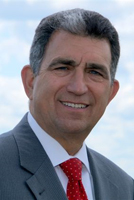
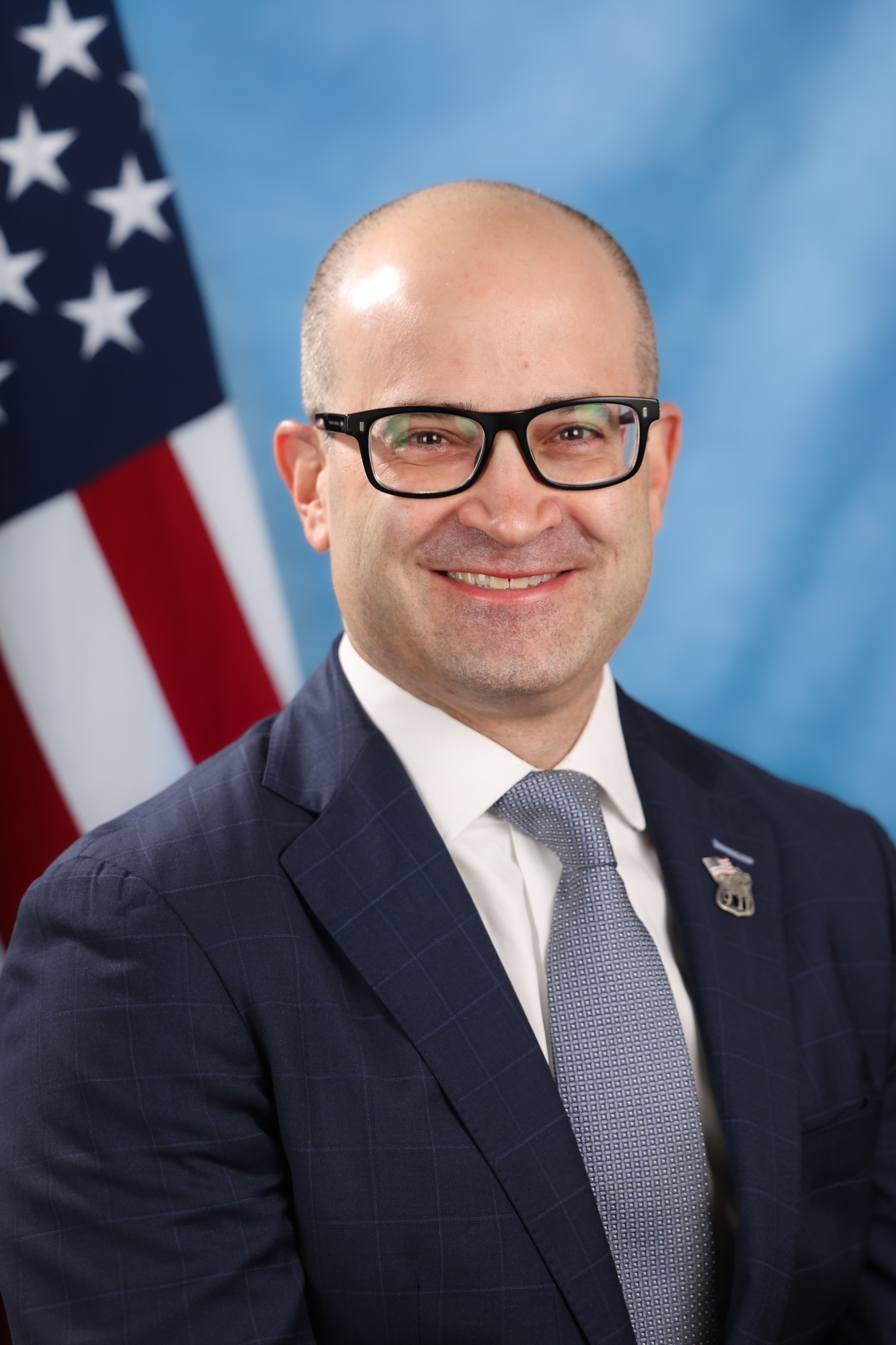
Bill Magnarelli
Bill Magnarelli House · District 129
D
Strong +
100% 27
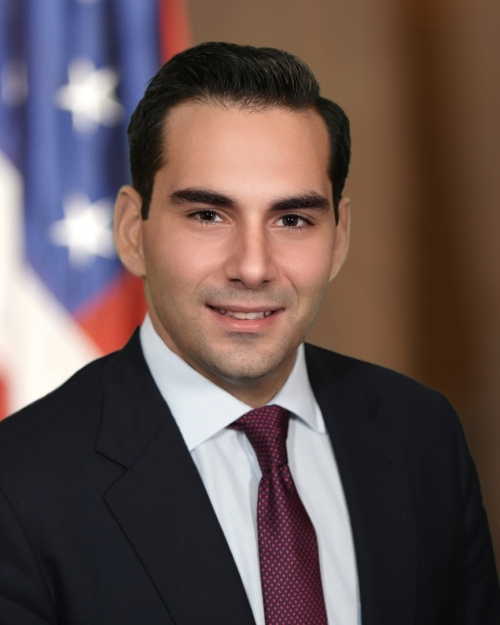
George Alvarez
George Alvarez House · District 78
D
Strong +
100% 27
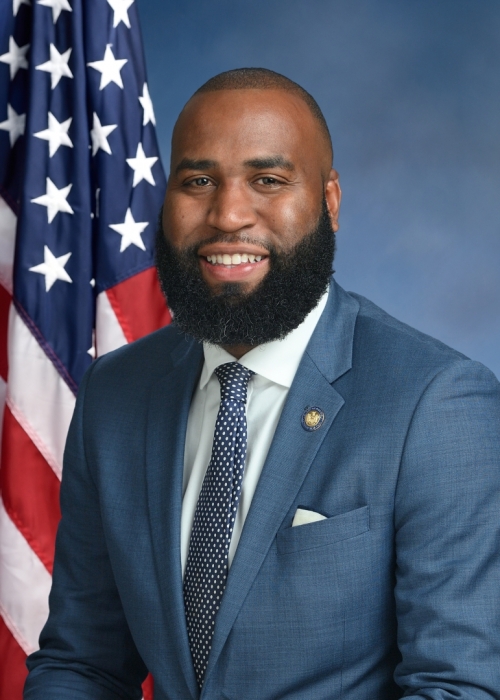
Brian Cunningham
Brian Cunningham House · District 43
D
Strong +
100% 25
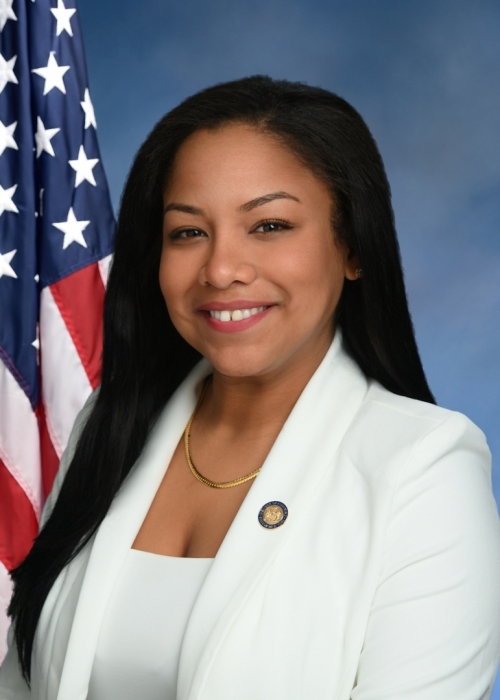
Amanda Septimo
Amanda Septimo House · District 84
D
Strong +
100% 24
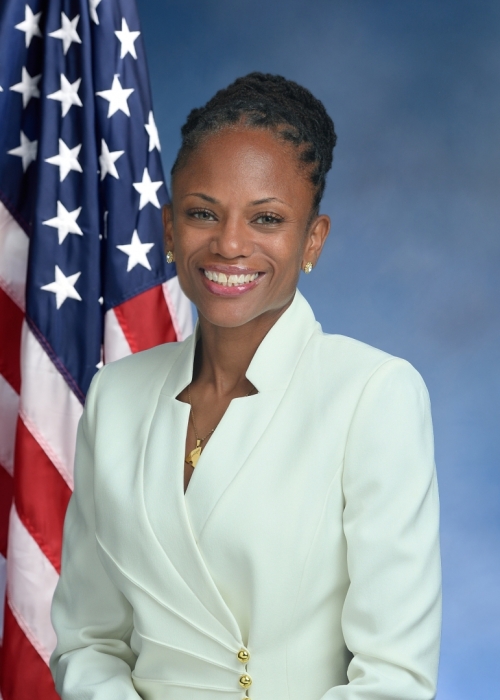
Monique Chandler-Waterman
Monique Chandler-Waterman House · District 58
D
Strong +
100% 24
Chris Tague
Chris Tague House · District 102
R
Strong −
4% 28
Dave DiPietro
Dave DiPietro House · District 147
R
Strong −
4% 28
Chris Friend
Chris Friend House · District 124
R
Strong −
4% 26
Ed Ra
Ed Ra House · District 19
R
Strong −
7% 28
Jarett Gandolfo
Jarett Gandolfo House · District 7
R
Strong −
7% 28
Showing 1,351–1,360 of 1,570 bills

All criminal justice bills

in committee · New York · Senate Jan 7, 2026

S 5917: Makes any offense involving the use or possession of a firearm, shotgun or rifle bail eligible

This bill (S 5917) changes New York law to make **all misdemeanor and felony charges involving the use or possession of a firearm, shotgun, or rifle eligible for bail**. It directly affects defendants charged with these firearm-related offenses who would previously have been held without bail. The key provision adds a new category to existing bail rules, requiring prosecutors to show reasonable cause for the charge but allowing courts to generally permit release on bail. This expands bail eligibility beyond prior restrictions that limited it to specific firearm crimes or cases involving harm to people or property.
Sub-Topics Drug Policy Firearms
in committee · New York · Assembly Jan 7, 2026

A 1811: Requires reporting to the federal bureau of investigation's national use-of-force data collection program

This bill requires New York police departments and sheriff's offices to report all use-of-force incidents to the FBI's national database. It defines specific reportable events, including firearm discharge, chokeholds, chemical agents, and other restraints causing injury or death. Reports must include detailed incident circumstances and demographic details of involved individuals (age, race, gender, etc.). Failure to submit reports risks a 10% reduction in state funding for the affected department.
Sub-Topics Firearms Policing
in committee · New York · Senate Jan 7, 2026

S 1830: Requires police officer training programs on interacting with individuals with a disability

Requires police officer training programs on interacting with individuals with a disability with special emphasis on the techniques needed to improve interactions with individuals that are blind or deaf or hard of hearing; provides such training shall be created in consultation with the justice center for the protection of people with special needs.
Sub-Topics Law Enforcement Policing Tags People with Disabilities
in committee · New York · Senate May 20, 2026

S 159: Relates to findings of the state board of parole necessary for discretionary release of incarcerated individuals on parole

This bill changes New York's parole process by requiring the state board of parole to consider specific, evidence-based factors when deciding whether to release incarcerated individuals on parole. It mandates that the board evaluate rehabilitation efforts (like vocational training or therapy participation), release plans (including job opportunities and community support), and the seriousness of the crime, while prohibiting decisions based solely on victim input. The board must now provide detailed written explanations for denials and report quarterly to the public on parole denials, including demographic data (without identifying individuals) and reasons for each decision. This directly affects incarcerated individuals seeking parole and the parole board's decision-making procedures.
Sub-Topics Probation & Parole
in committee · New York · Senate Jan 7, 2026

S 6419: Relates to preventing retaliation against incarcerated individuals following the filing of a grievance

Limits retaliation against incarcerated individuals following the filing of a grievance, by requiring more than the oral or written statement of the subject of a grievance filed by an incarcerated individual for the purposes of finding such incarcerated individual guilty at an evidentiary or disciplinary hearing for misbehavior.
Sub-Topics Corrections
in committee · New York · Assembly Jan 7, 2026

A 6863: Establishes an alternative resolution program for service members and veterans accused of certain felonies

This bill creates a program allowing courts to offer veterans and active service members accused of certain non-violent felonies (excluding sex offenses and specific violent crimes) an alternative to standard sentencing. It requires courts to assess whether the individual's military service contributed to their crime through a court-approved evaluation for conditions like PTSD or substance abuse. If eligible, defendants receive treatment instead of jail time, with the court considering if their service-related condition played a role in the offense. The program aims to address gaps in mental health care for veterans within the criminal justice system.
in committee · New York · Assembly Jan 7, 2026

A 310: Prohibits motor vehicle stops for certain violations

This bill prohibits police from stopping a vehicle solely for minor violations like expired registration, unsecured license plates, or minor equipment issues (e.g., a single broken headlight). It allows stops only when an officer observes a "primary" violation (like speeding) at the same time as the minor issue. Drivers would no longer face stops for things such as a temporarily expired registration or a single non-working light, unless a more serious violation was also observed. The law directly affects drivers pulled over for these specific secondary violations, changing when stops can legally occur.
Sub-Topics Policing
in committee · New York · Assembly May 18, 2026

A 673: Facilitates appellate review of rulings that implicate issues of public concern

This bill changes New York's criminal procedure law to allow defendants to appeal rulings denying evidence suppression motions - even if they later pleaded guilty or waived their right to appeal. It directly affects criminal defendants who want to challenge how evidence was obtained, making it easier to seek appellate review of such decisions. The key provision removes barriers to appeal for these specific rulings, ensuring they can be reviewed by higher courts regardless of a defendant's plea or waiver. The bill aims to strengthen judicial oversight of evidence-related rulings that involve matters of public interest.
in committee · New York · Assembly Jan 7, 2026

A 6971: Relates to forensic DNA testing and to requests for certain DNA test comparisons

Establishes the minimum period of time that forensic samples should be retained by investigating authorities; creates the state commission for the integrity of the criminal justice system, as an independent agency, and provides for such commission's powers and duties; relates to special fictitious name indictments; relates to requests for certain DNA test comparisons; relates to forensic DNA testing; relates to claims for unjust conviction and imprisonment; relates to DNA testing, data collection and record keeping; relates to DNA testing in felony cases.
in committee · New York · Senate Jan 7, 2026

S 3295: Ensures repeat offenders qualify for bail and pre-trial detention when the principal has been convicted of one or more misdemeanor or felony offenses

Ensures repeat offenders qualify for bail and pre-trial detention when the principal has been convicted of one or more misdemeanor or felony offenses within the immediate preceding five years.
Showing 1,351 to 1,360 of 1,570 bills