

Issue · Budget & Taxes
Budget & Taxes
Every budget & taxes bill, vote, and legislator stance in New York, automatically classified by Maddy, our AI policy reader.
Total bills
2,507
2025 Regular Session
Top supporter
Latrice Walker
98% support rate
Top opponent
Sam Pirozzolo
8% support rate
Ranked legislators
10
5 support · 5 oppose
Key legislators
Who's moving budget & taxes in New York
| Legislator | Party | Stance | Support rate | Decisive votes |
|---|---|---|---|---|

Latrice Walker
House · District 55
|
D |
Strong +
|
98% | 129 |

George Alvarez
House · District 78
|
D |
Strong +
|
98% | 123 |
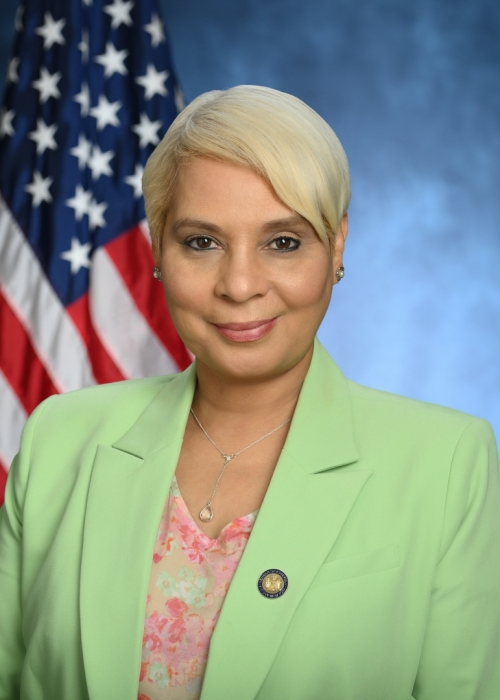
Maritza Davila
House · District 53
|
D |
Strong +
|
97% | 117 |

Keith Powers
House · District 74
|
D |
Strong +
|
97% | 34 |
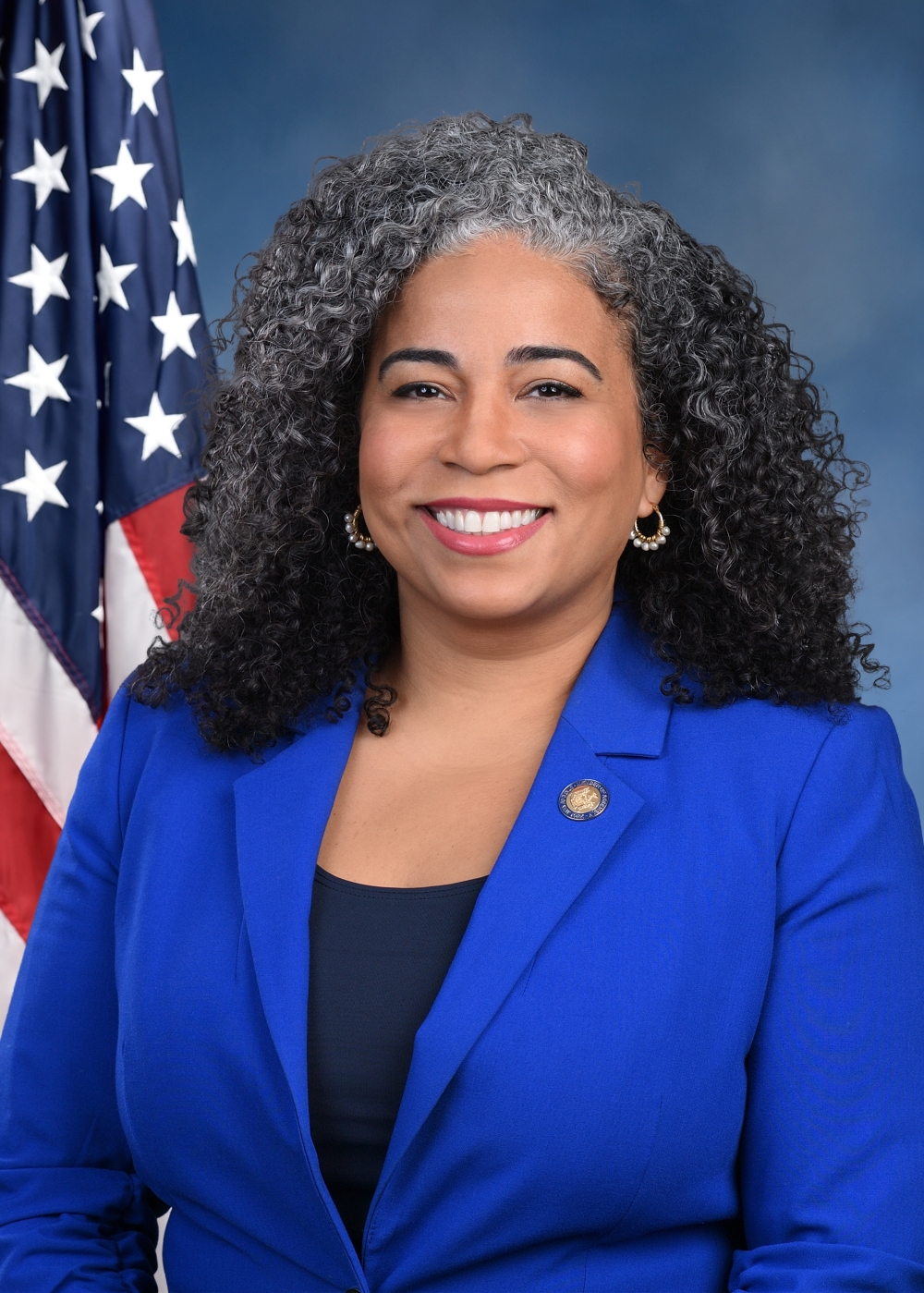
Karines Reyes
House · District 87
|
D |
Strong +
|
97% | 135 |

Sam Pirozzolo
House · District 63
|
R |
Strong −
|
8% | 141 |
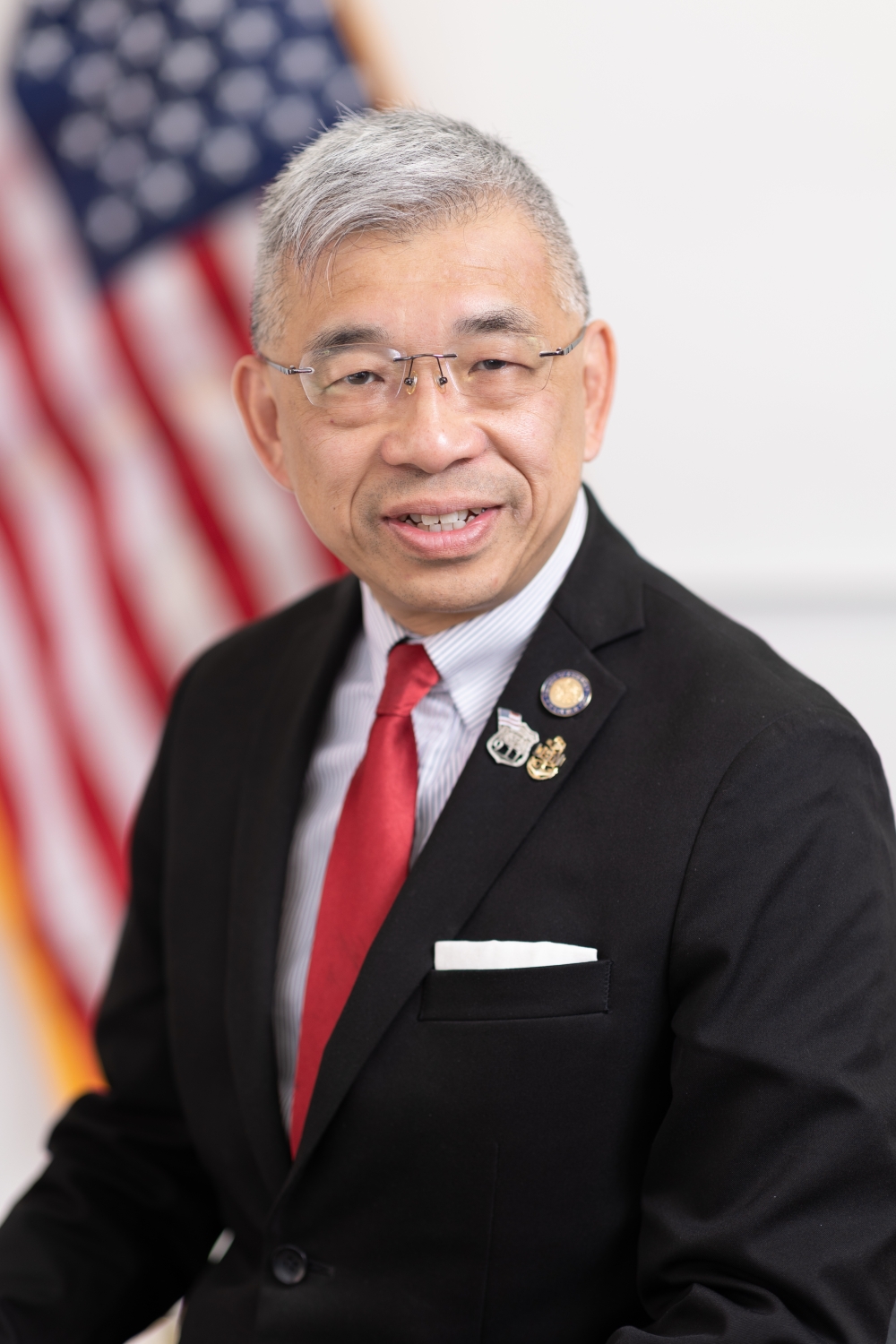
Lester Chang
House · District 49
|
R |
Strong −
|
11% | 141 |

Pat Chludzinski
House · District 143
|
R |
Strong −
|
12% | 141 |
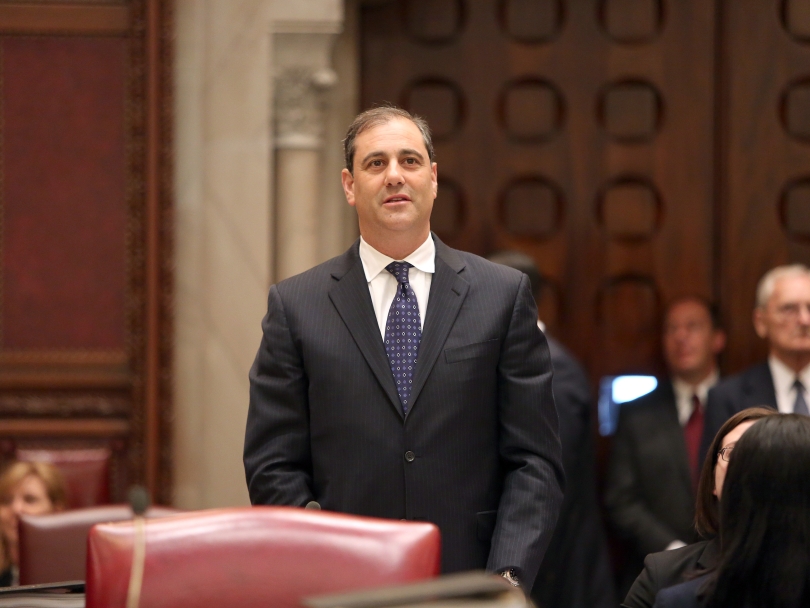
Andrew Lanza
Senate · District 24
|
R |
Strong −
|
12% | 232 |

Scott Bendett
House · District 107
|
R |
Strong −
|
13% | 141 |
Showing 2,151–2,160 of 2,507
bills
All budget & taxes bills
A 1805: Raises the income eligibility for senior citizens and disabled residents
Topics
✓ Budget & TaxesSupports Budget & TaxesRaises income threshold for property tax abatements, expanding tax relief for seniors/disabled residents under $75k household income. Directly provides tax relief for lower-income groups.
✓ HousingSupports HousingExpands tax abatement eligibility for seniors/disabled, increasing affordable housing access by lowering property tax burden for qualifying households.
A 2231: Requires propositions authorizing creation of a state debt to contain an estimate of the debt service payable and publish an explanation thereof
A 1434: Creates an excise tax on the collection of consumer data by commercial data collectors
Topics
✓ Budget & TaxesSupports Budget & TaxesBill creates a new monthly excise tax on commercial data collectors, directly increasing state revenue through taxation per bill summary.
✓ TechnologySupports TechnologyBill A 1434 creates an excise tax on commercial data collectors for gathering consumer data, regulating an aspect of the technology industry to potentially protect data privacy.
A 2418: Relates to authorizing the imposition of service charges upon certain real property
Sub-Topics
Fees & Licensing
S 7399: Provides for emergency appropriation for the period April 1, 2025 through April 17, 2025
Topics
✓ Budget & TaxesSupports Budget & TaxesProvides emergency budget funding for essential operations (payroll, benefits, liabilities) to maintain government continuity during fiscal gap, directly supporting budget stability.
✓ HealthcareSupports HealthcareAllocates $537.1M specifically for employee health insurance benefits, directly funding healthcare coverage as part of state employee benefits.
✓ Labor & EmploymentSupports Labor & EmploymentFunds state employee payroll and benefits including health insurance and retirement, directly supporting labor compensation and benefits for public workers.
A 1278: Authorizes a hotel and motel tax in the city of Buffalo
Sub-Topics
Revenue
A 2043: Relates to sales and compensating use taxes in the county of Livingston
Topics
✓ Budget & TaxesSupports Budget & TaxesBill authorizes 1% sales tax to fund Medicaid (essential service) first, then general fund, directly supporting public service funding under Budget & Taxes.
✓ HealthcareSupports HealthcareBill designates 1% sales tax revenue to cover county Medicaid expenses, directly funding a public healthcare program as required by the bill's language.
S 3435: Establishes the fire station construction grant program and the fire station construction fund; and makes an appropriation therefor
S 7250: Increases the amount combat veterans shall be exempt from real property taxation to thirty-five percent
Topics
✓ Budget & TaxesSupports Budget & TaxesIncreases tax exemption for combat veterans, providing targeted tax relief to lower-income veterans, aligning with tax relief indicators.
✓ VeteransSupports VeteransIncreases combat veterans' property tax exemption from 10% to 35%, expanding financial benefits and recognizing service through tax relief.