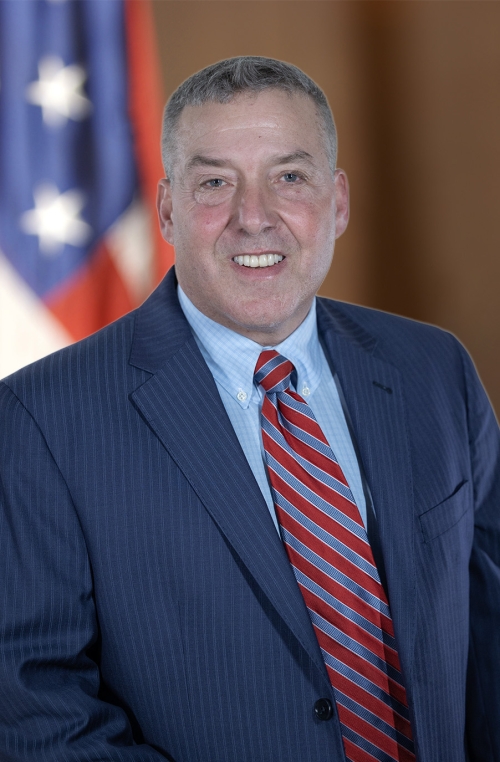
Bill A 4600 aims to strengthen the financial viability of facilities providing prekindergarten services in New York. Beginning in the 2026-2027 school year, it modifies how state grants are calculated for school districts, providing funds based on the number of three- and four-year-old pupils served, with a base amount of $6,400 per full-day equivalent pupil, adjusted annually for inflation. The bill also increases the percentage of grant funds school districts must set aside for collaborative efforts with community-based organizations from 10% to 15%. Additionally, it mandates the establishment of equivalent standards for teacher-to-student ratios and class sizes across all prekindergarten programs, whether administered by school districts or partner agencies.
Authorizes the election of qualified transportation fringe benefits; authorizes any employer to offer employees the opportunity to use pre-tax earnings for the purchase of qualified transportation fringe benefits.
Relates to low or moderate income housing developments; allows local zoning boards of appeals to approve affordable housing developments; provides for an appeals process to the division of housing and community renewal; creates a state zoning board of appeals within the division to hear such appeals; directs the division to conduct a study to integrate low income housing tax credit applications with the zoning application process under this act.
Establishes a culturally responsive education curriculum and standards; requires all school districts, charter schools and private schools to integrate culturally responsive education throughout the education of all students at all grade levels; establishes a pilot program in culturally responsive education; appropriates $25,000,000 therefor.
Provides that the state shall pay to the city or county operating a facility, including whenever a person confined during proceedings pursuant to article ten of the mental hygiene law has been placed in any county jail or penitentiary, or a city prison operated by a city having a population of one million or more inhabitants, the actual per day per capita cost as certified to the state commissioner of corrections and community supervision by the appropriate local official for the care of such person as approved by the director of the budget.
Relates to authorizing grants for the implementation of the seal of civic readiness program; authorizes grants of $50,000 to no more than 20 applicant school districts for public schools that have successfully completed both the seal of civic readiness application and commissioner created grant application.
This bill establishes a wage data clearinghouse to analyze existing unemployment insurance and labor data, aiming to evaluate workforce development programs and identify training gaps. It directs the labor commissioner to select an academic institution (with $600,000 in funding) to run the clearinghouse, using state/federal data while protecting personally identifiable information. The clearinghouse will produce reports for state agencies, employers, and educational providers to improve workforce training effectiveness, with annual evaluations required for the program.
This bill establishes a legal framework for the medical use of psilocybin (a psychedelic compound found in certain mushrooms) in New York State. It creates a "psilocybin assisted therapy grant program" to fund treatment for veterans, first responders, retired first responders, and low-income individuals through certified facilitators (mental health professionals who complete state-approved training). The law defines medical psilocybin, sets requirements for treatment settings and facilitator certification, and includes legal protections against penalties for those using it under the program. It also mandates a two-year department report on the program's implementation and establishes a pilot program for naturally grown psilocybin. The bill makes a specific appropriation to fund the grant program.
Enacts the COVID-19 essential workers appreciation act which requires businesses who have increased their profits due to the outbreak of COVID-19 to deposit five percent of gross profits into a fund to be used by the COVID-19 essential workers appreciation task force to make awards to essential employees and families of essential employees who have died as a result of contracting COVID-19.
This bill, S 4371 (STAR Act), removes a fee that mass transit authorities pay when issuing bonds. It directly affects major agencies like the MTA, NYC Transit, Triborough Bridge Authority, and regional transit authorities across New York State. The key provision exempts these authorities from paying up to 1% of bond value as a fee, freeing funds that can now be used for maintaining service or funding infrastructure projects instead of paying the state. The change takes effect immediately upon enactment.