

Maddy summarySB 372 changes New Mexico's telecommunications relay service surcharge from a small percentage of bills to a flat $0.51 fee per bill. It directly affects customers paying for intrastate phone services, including mobile plans used primarily in New Mexico, local landlines, and interconnected VoIP services. The bill replaces the previous percentage-based charge with a fixed amount, collected by providers and remitted monthly to the state. All surcharge revenue will fund the Telecommunications Access Fund, which supports relay services for people with disabilities.
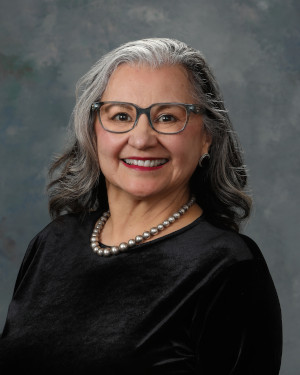
Sen. Antoinette Sedillo Lopez
Sponsored bills
Maddy summarySB 106 establishes New Mexico's participation in the Psychology Interjurisdictional Compact, enabling licensed psychologists to provide telepsychology services (via video/phone) and up to 30 days of in-person practice annually in other participating states. It directly affects psychologists seeking to serve clients across state lines and expands public access to mental health care in underserved areas. Key provisions include mutual recognition of licenses between compact states, mandatory sharing of disciplinary records through a coordinated database, and requiring psychologists to hold an "E.Passport" for telepractice or an "interjurisdictional practice certificate" for temporary in-person work. The compact prioritizes public safety by ensuring psychologists comply with each state's practice laws while streamlining cross-state service delivery.
Maddy summaryHB 417 redirects liquor excise tax revenue to address alcohol-related harms. It replaces the previous "DWI grant" program with a "local alcohol harms alleviation fund," distributing 94% of liquor excise tax revenue to this fund for community services. A new "tribal alcohol harms alleviation fund" receives all revenue from a proposed liquor excise surtax on retailers, specifically targeting tribal communities. The bill also excludes liquor taxes from "gross receipts" definitions in other tax laws and requires periodic legislative reviews of tax rates and distributions. These changes aim to reallocate existing tax revenue toward prevention and treatment programs rather than previous uses like drug courts or municipal grants.
Maddy summarySB 26 renames New Mexico's "Family Violence Protection Act" to the "Protection Against Abuse and Violence Act" to better reflect its scope. The bill clarifies key definitions and specifies that courts must follow a clear standard when issuing orders of protection, which are court orders designed to protect individuals from abuse. It also amends and repeals specific sections of state law to modernize the legal framework for these protections. These changes aim to make the law more precise and accessible for victims seeking safety.
Maddy summarySB 12 allows out-of-state health care providers without a New Mexico telehealth license to offer second opinions and treatment consultations to New Mexico patients. It specifically permits these services for patients who would travel to the provider's state for treatment, without requiring the provider to obtain a New Mexico license. The bill expands the list of eligible health care professionals who can provide telehealth services, adding roles like nutritionists, psychologists, and community health representatives. This change directly affects New Mexico patients seeking specialized care and out-of-state providers looking to serve them remotely.
Maddy summarySB 104 creates an interstate compact to allow audiologists and speech-language pathologists licensed in one state to practice in other participating states without obtaining separate licenses. It establishes a "compact privilege" that recognizes existing licenses across member states, with practice governed by the patient's location (not the provider's home state). The bill aims to increase access to these services for patients, support military spouses relocating, and enable telehealth use, while requiring states to share disciplinary records to protect public safety. It does not change state licensing authority but streamlines cross-state practice for qualified professionals.
Maddy summaryHB 95 would require most group health insurance plans in New Mexico to cover fertility preservation services, such as storing eggs, embryos, or reproductive tissue, for people whose medical treatment (e.g., cancer therapy) may cause infertility. It mandates coverage regardless of an individual’s age, sex, gender identity, sexual orientation, disability, life expectancy, or perceived quality of life. The law would apply to all qualifying group health plans, including self-insured employer plans, and is scheduled to take effect January 1, 2026. It does not cover general fertility treatments but specifically addresses preservation services needed due to medically necessary treatments.
Maddy summarySB 223 requires businesses and organizations seeking state or local government funding for economic development projects (like manufacturing, cultural facilities, or retail) to conduct a housing study before applying for public support. The study must estimate housing demand created by new full-time jobs expected from the project, specifically jobs generating revenue outside New Mexico. This requirement applies to all applications for grants, loans, infrastructure improvements, or other public support under New Mexico's Local Economic Development Act. The bill does not change eligible project types but adds a pre-application step to ensure housing needs are considered in economic development planning.
Maddy summaryHB 216 appropriates $10 million from the general fund to the Crime Victims Reparation Commission for community-based domestic violence programs in fiscal year 2026. The funding directly supports local organizations providing services to domestic violence survivors across New Mexico. Any unspent funds at the end of fiscal year 2026 must revert to the general fund. This bill creates a specific financial allocation for existing domestic violence programs without establishing new requirements or eligibility rules.
Maddy summarySB 441 requires judges and court personnel in New Mexico to complete annual, evidence-based training on domestic abuse starting in 2026. It updates custody standards to mandate courts consider evidence of child or domestic abuse when deciding custody, including protection orders or arrests. The bill also bars courts from ordering reunification programs or psychological evaluations in contested custody cases where abuse evidence exists - unless the evaluator meets specific qualifications. This directly affects family court proceedings, judges, court staff, and families navigating custody disputes involving abuse allegations.