

Maddy summarySB 350 appropriates $6 million from the general fund to New Mexico's Health Care Authority for a housing stabilization program targeting people transitioning from incarceration or homelessness back into community housing. The funding, effective in fiscal year 2026, will directly support housing needs for this reentry population through a dedicated program administered by the Health Care Authority. Any unspent funds at the end of fiscal year 2026 must revert to the general fund. The bill was referred to committees, passed committee review, but was postponed indefinitely on June 3, 2025.
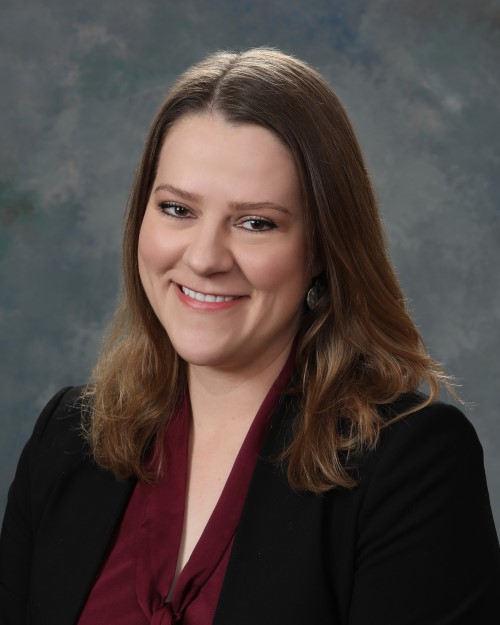
Sen. Heather Berghmans
Sponsored bills
Maddy summaryHB 364 requires New Mexico's Children, Youth and Families Department (CYFD) to determine eligibility for federal benefits (like Supplemental Security Income) for children in its legal custody within 60 days of placement and annually thereafter. The bill mandates CYFD to apply for these benefits on the child’s behalf, manage them as the child’s "representative payee" if no other suitable person is available, and ensure funds are used only for the child’s unmet needs - not to cover CYFD care costs. It also requires CYFD to provide annual financial reports to the child and their legal representatives, and to return any remaining funds to the child (or parent/guardian if under 18) upon termination of custody. This law directly affects children in CYFD custody by ensuring they access available federal benefits while protecting those funds from being used for state care expenses.
Maddy summaryHB 156 increases minimum annual salaries for non-vocational teachers in New Mexico public schools at three licensure levels. It raises the base salary for level one teachers from $50,000 to $55,000, for level two teachers from $60,000 to $65,000, and for level three-A teachers from $70,000 (to a higher amount). The changes apply to standard nine-and-one-half-month contracts and affect all public school districts, excluding vocational education teachers from these increases. The bill directly impacts classroom teachers, counselors, and administrators holding these specific licenses.
Maddy summarySB 42 moves New Mexico's state program administering services under the federal Comprehensive Addiction and Recovery Act of 2016 from the Children, Youth and Families Department to the Department of Health. It updates requirements for "plans of safe care" - written plans addressing treatment needs for substance-exposed newborns and their caregivers to ensure child safety. The bill specifically amends Section 32A-1-4 of the Children's Code to reflect this administrative shift and revised safe care protocols. This change directly affects child welfare systems, health departments, and families with newborns exposed to substances prenatally. The bill was enacted after passing both chambers and receiving the governor's signature in April 2025.
Maddy summarySB 267 requires landlords in New Mexico to clearly disclose all application fees to housing applicants and refund these fees if the application is rejected. It also mandates landlords to notify applicants of upcoming fee increases and extends the required notice period for rent hikes. The bill reduces the maximum allowable late fee and expands renters' legal options for resolving disputes. This law directly affects renters applying for housing and landlords managing rental properties, taking effect after being signed into law on April 9, 2025.
Maddy summaryHB 56 requires New Mexico's Medicaid program to reimburse birth centers at the same rate as hospitals for equivalent services provided to Medicaid recipients. This applies specifically to freestanding birth centers (not hospital-attached facilities) that provide low-risk deliveries, ensuring these centers receive equal payment for services like prenatal care and childbirth. The bill directs the Secretary of Health Care Authority to adopt rules implementing this equal reimbursement policy. It directly affects birth centers seeking Medicaid reimbursement and Medicaid recipients accessing care at these facilities. The law aims to create financial parity between birth centers and hospitals under the state's Medicaid program.
Maddy summarySB 83 creates a dedicated $10 million "Innovation in State Government Fund" (transferred from the General Fund) to help New Mexico state agencies advance climate and sustainability goals. The fund directly supports seven agencies - including the Environment Department, Energy Department, and Transportation Department - with specific allocations to develop climate action plans, achieve net-zero emissions, and implement sustainable economic policies that diversify revenue beyond natural resource extraction. Agencies must submit annual reports detailing fund use, and unspent balances after fiscal year 2027 revert to the fund. This law, signed into effect in April 2025, provides concrete financial mechanisms for agencies to address climate policy implementation without altering existing tax structures.
Maddy summarySB 236 creates special "Look Twice for Motorcycles" license plates for motorcycle owners in New Mexico, requiring a $40 initial fee (plus $10 annual renewal) to support driver safety awareness. The bill directs revenue from these fees - $33 from the initial fee and $10 annually - to fund motorcycle training and driver education programs through the state's transportation department. It also mandates that the state monitor adoption rates, requiring the division to stop issuing these plates if annual uptake falls below 50% of the 2024-2025 average starting July 2026. The program applies specifically to motorcycle owners, with separate fee structures for motorcycles versus other vehicles.
Maddy summarySB 66 exempts specific New Mexico state agencies - including law enforcement, early childhood education departments, child care facilities, child welfare services, and public schools - from the state's general criminal background check rules for employment. Instead, these agencies must create their own criminal history screening rules to determine applicant eligibility. The bill directly affects job applicants seeking positions in these exempted agencies and requires the agencies to establish their own screening procedures rather than using the standard state process. It does not change existing background check requirements for other employers.
Maddy summaryHB 12 modifies New Mexico's Extreme Risk Firearm Protection Order (ERPO) law to streamline safety measures. It allows law enforcement officers to file ERPO petitions using credible information gathered during official duties (not just from reporting parties), and requires respondents to immediately surrender all firearms upon receiving the order - replacing the previous 48-hour window. The bill directly affects individuals subject to ERPOs and law enforcement officers handling these cases. Key provisions include mandating immediate firearm relinquishment, requiring detailed documentation of firearms and circumstances, and ensuring timely receipt copies for respondents and petitioners. These changes aim to expedite safety protocols while maintaining legal safeguards.