

Maddy summaryHB 53 allocates $370,000 from the general fund to the New Mexico Health Care Authority for fiscal year 2026. This funding ensures doctors and clinics that provide vagus nerve stimulation (VNS) to Medicaid patients receive full reimbursement for these services. The bill directly affects Medicaid recipients requiring VNS treatment and the healthcare providers who administer it. It is a funding measure, not a policy change, and any unused funds would revert to the general fund by the end of 2026.
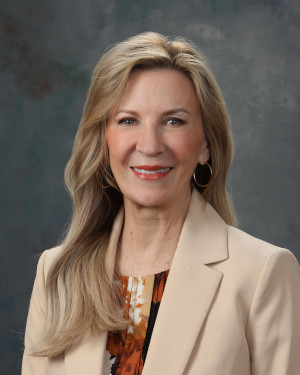
Rep. Jenifer Jones
Sponsored bills
Maddy summaryHB 570 prohibits health insurers in New Mexico from requiring prior authorization for specific covered services, including chemotherapy, dialysis, elder care, and home health care. It also removes prior authorization requirements for prescription medications treating autoimmune disorders, cancer, diabetes, high blood pressure, or substance use disorders - unless a biosimilar, interchangeable biologic, or generic alternative is available. Insurers may still request post-service notifications and treatment plans compliant with federal law. The bill directly affects health insurers, healthcare providers, and patients seeking these covered services.
Maddy summaryHB 475 creates a dedicated Transportation Trust Fund in New Mexico to finance transportation infrastructure. It establishes new revenue streams, including 1% to 2% of electricity sales tax revenue (increasing over time), and adjusts motor vehicle excise tax distributions to send 30% of proceeds to the Trust Fund after 2027. The fund will provide state matching funds for federal transportation grants and may cover general fund shortfalls if other reserves are exhausted. This directly affects state budget allocations, transportation project funding, and taxpayers through electricity and vehicle-related taxes.
Maddy summaryHB 380, the "Women's Safety and Protection Act," proposes requiring single-sex spaces in domestic violence shelters, public schools, and juvenile detention facilities to protect privacy and safety. It mandates that these facilities designate separate sleeping quarters and restrooms for males and females, while allowing reasonable accommodations like single-occupancy rooms for individuals who cannot use sex-designated spaces. The bill explicitly prohibits access to opposite-sex spaces when people of that sex are present, with exceptions for emergencies, medical aid, or ADA accommodations. The legislation remains pending after being postponed indefinitely in June 2025.
Maddy summaryHB 446 creates New Mexico's first state-funded paid parental leave program, providing eligible workers with wage replacement to bond with a newborn, adopted child, or foster child. The bill establishes the "Supplemental Paid Parental Leave Fund" (funded through the Early Childhood Education and Care Fund) to pay applicants 60-70% of their wages for up to 12 weeks of leave. It directly affects most New Mexico employees and self-employed individuals (excluding railroad workers and certain others), administered by the Workforce Solutions Department. The program requires workers to apply through the department, with payments covering bonding time within 12 months of the child's arrival, and excludes employers already offering comparable benefits.
Maddy summaryHB 79, the "Audiology and Speech-Language Pathology Interstate Compact," would allow licensed audiologists and speech-language pathologists to practice across state lines in participating states without obtaining separate licenses. It creates a "compact privilege" enabling practitioners to serve patients in other member states while maintaining their home state license, directly affecting healthcare providers and patients seeking these services. Key mechanisms include mutual recognition of licenses, enhanced oversight for disciplinary actions, support for military spouses relocating, and integration of telehealth for remote care. The bill preserves each state's authority to regulate practice and protect public safety through existing licensing systems. It does not change current state licensure requirements but streamlines access for providers and patients in participating states.
Maddy summaryHB 52 expands New Mexico's existing rural health care practitioner tax credit to include additional health care providers working in underserved rural areas. The bill adds professions like pharmacists, nurse practitioners, clinical social workers, physical therapists, and emergency medical technicians to the list of eligible practitioners who can claim the credit. Eligible providers must work at least 1,584 hours annually in a designated rural health underserved area, with credit amounts set at $5,000 for physicians/dentists or $3,000 for the newly included professions (half that amount for 792-1,583 hours). The credit, which can be carried forward if it exceeds tax liability, requires providers to apply through the Department of Health for certification before claiming it on their tax return.
Maddy summaryHB 441 establishes the "Dentist and Dental Hygienist Interstate Compact" to allow licensed dentists and dental hygienists from New Mexico (a participating state) to practice in other participating states without obtaining full new licenses. It creates a "compact privilege" that requires practitioners to follow the host state's scope of practice rules and share disciplinary records, while letting states maintain their own licensing standards. The bill aims to improve access to dental care, especially for military families needing to relocate, by reducing duplicate licensing hurdles. This compact does not change existing state licensure requirements but enables streamlined practice across participating states.
Maddy summaryHB 412, the Emergency Medical Services Personnel Licensure Interstate Compact, allows licensed emergency medical technicians (EMTs), paramedics, and related personnel to practice across state lines in participating states without obtaining separate licenses. It directly affects EMS professionals who work in multiple states and patients receiving emergency care in those states. The bill establishes a system where a "home state" license is recognized as valid in "remote states" (other member states), requiring states to share adverse action information and maintain standardized licensing practices. Key mechanisms include mutual recognition of licenses, shared complaint investigations, and protocols for handling disciplinary actions to ensure public safety while improving access to emergency care.
Maddy summaryHB 543 clarifies that New Mexico's Reproductive and Gender-Affirming Health Care Freedom Act does not override existing laws requiring parental consent for minors seeking reproductive or gender-affirming health care. The bill amends the Act to explicitly state that it does not allow minors to access such care without parental consent in any manner not already permitted by current law. This maintains current consent requirements, directly affecting minors, parents, and health care providers. The bill was introduced in the 2025 New Mexico legislature and was postponed indefinitely on June 3, 2025.