

Maddy summarySB 105, the Social Work Licensure Interstate Compact, allows social workers licensed in one participating state to practice in other member states without obtaining separate licenses. It directly affects licensed social workers (including clinical, master's, and bachelor's level) and their clients across state lines, particularly supporting military families who relocate frequently. The bill creates a system where a "multistate license" issued by a worker's home state authorizes practice in all compact states, eliminating duplicate application processes and reducing administrative burdens. Key provisions include requiring states to share disciplinary records and enabling social workers to provide services via telehealth across member states while maintaining public safety protections through existing state licensing authority.
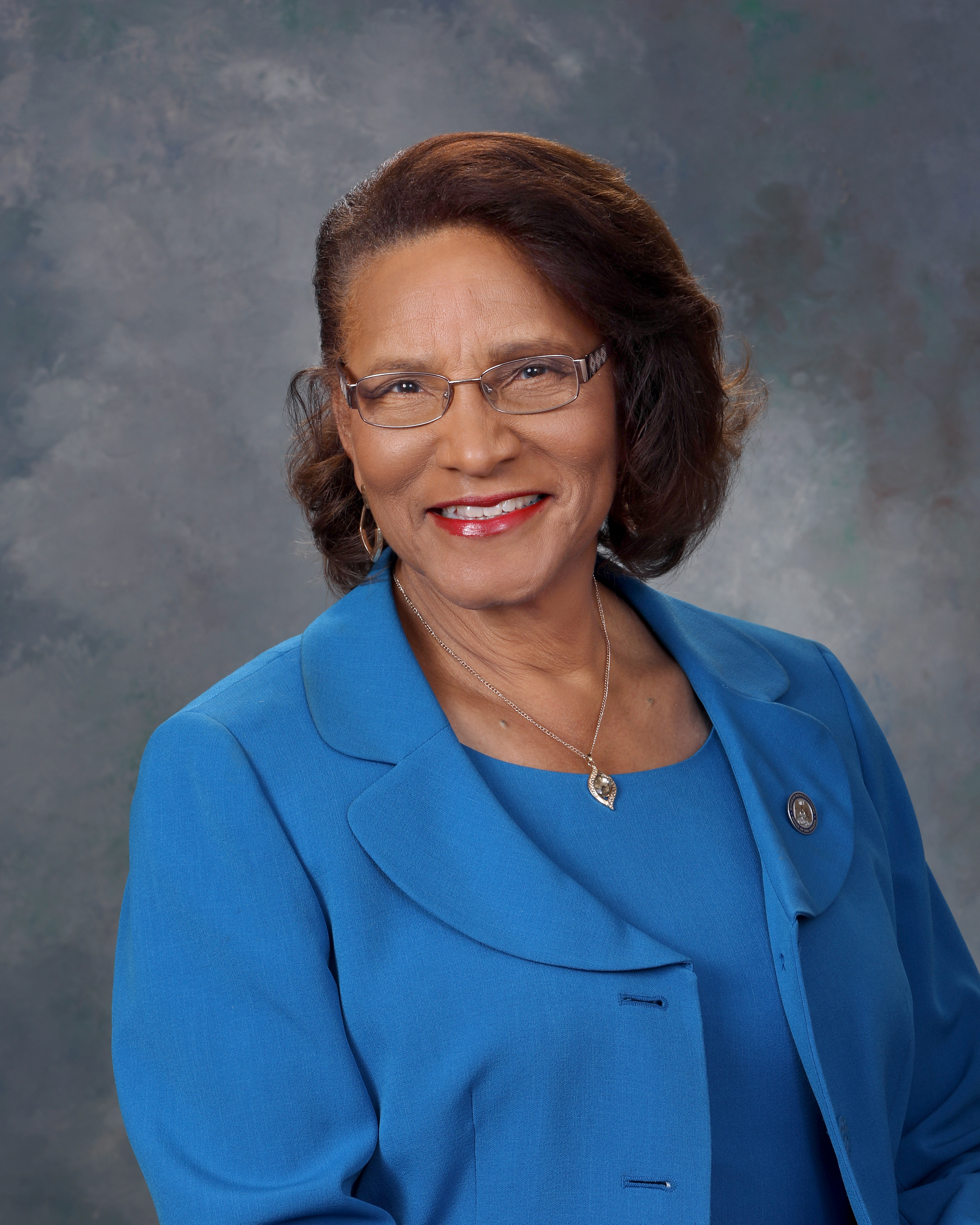
Rep. Pamelya Herndon
Sponsored bills
Maddy summaryHJR 15 proposes adding a clear constitutional prohibition against slavery and involuntary servitude to New Mexico's state constitution. It would amend Article 2, Section 4 to explicitly state that "slavery and involuntary servitude in any form are prohibited" for all residents. The amendment would require voter approval at the next general election or a special election called for that purpose. This change directly affects all New Mexicans by formally embedding a ban on slavery into the state's foundational law.
Maddy summaryHB 516 appropriates $100,000 from the general fund to the New Mexico Supreme Court for fiscal year 2026 to convene a task force. The task force will study gaps in legal services for domestic violence victims and develop recommendations for cost-effective legal programs to address those gaps. This bill directly affects domestic violence victims in New Mexico by focusing on improving access to legal support. The bill is procedural (not creating new law) and was postponed indefinitely on June 3, 2025. Funds not spent by the end of fiscal year 2026 would revert to the general fund.
Maddy summaryHB 467 requires New Mexico public schools to update discipline policies to prohibit unequal treatment based on race, religion, cultural expression (including protective hairstyles and religious headwear), disability, or home language. It mandates schools to provide an online portal for reporting racially motivated incidents (with privacy protections), ban corporal punishment, and allow students to self-administer prescribed asthma/anaphylaxis medication under specific conditions. The bill also revises bilingual education program requirements to prioritize home language use in instruction, require culturally specific teacher training, and establish parent advisory committees. These changes directly affect all public K-12 schools and students in New Mexico, aiming to create safer, more inclusive learning environments.
Maddy summaryHB 57 guarantees low-income victims of domestic abuse the right to free legal representation in family court cases related to the abuse or abuser. It requires courts to inform victims at their first appearance about their right to choose an attorney or have one assigned, with legal costs covered by public funds. The bill establishes a process for courts to determine eligibility based on income and basic needs, and allows courts to contract with attorneys to provide these services. This directly affects domestic abuse victims navigating legal proceedings who cannot afford private counsel.
Maddy summaryHB 465 strengthens protections for New Mexico nurses who refuse unsafe assignments or medically unreasonable orders under the "safe harbor" provision. It requires healthcare facilities to create written processes allowing nurses to formally invoke safe harbor (with supervisor notification and documented reasons), conduct post-occurrence reviews involving other nurses, and prohibits retaliation like demotions, termination, or reporting to nursing boards for good-faith requests. The bill directly affects nurses facing unsafe work conditions and their healthcare employers, mandating specific procedural safeguards. It explicitly bans facility retaliation against nurses who use safe harbor, ensuring they can raise safety concerns without professional consequences. The law focuses on concrete policy changes to protect patient safety and nurse autonomy.
Maddy summaryHB 490 requires New Mexico public schools to revise discipline policies to prohibit discrimination or disparate treatment based on race, religion, culture, disability, home language, gender, income level, or specific hairstyles (like braids or locs) and religious headwear (like hijabs). It mandates that schools develop policies with parent and student input, ban corporal punishment, and create a confidential online portal for reporting racially motivated incidents. The bill also allows students to self-administer prescribed asthma or anaphylaxis medication under specific safety conditions, with schools required to provide backup medication. The bill was referred to committees but was postponed indefinitely on June 3, 2025.
Maddy summaryThis constitutional amendment proposes creating a Children, Youth and Families Department and Commission in New Mexico. It would establish a five-member commission (appointed by the governor and legislative leaders) to manage the department and hire an executive director by July 2027. The amendment requires voter approval at the next general election to take effect. (Note: This is a procedural constitutional change, not an operational bill.)
Maddy summaryHB 53 allocates $370,000 from the general fund to the New Mexico Health Care Authority for fiscal year 2026. This funding ensures doctors and clinics that provide vagus nerve stimulation (VNS) to Medicaid patients receive full reimbursement for these services. The bill directly affects Medicaid recipients requiring VNS treatment and the healthcare providers who administer it. It is a funding measure, not a policy change, and any unused funds would revert to the general fund by the end of 2026.
Maddy summaryHB 373 replaces New Mexico's existing Uniform Parentage Act with the Revised Uniform Parentage Act, modernizing laws around parentage determination for children conceived through assisted reproduction (like IVF) or surrogacy. It clarifies legal relationships by defining key terms (e.g., "intended parent," "assisted reproduction," "surrogacy agreements") and establishes procedures for establishing parentage through court or written acknowledgment. The law directly affects families using fertility services, surrogacy, or navigating parentage disputes, ensuring consistency regardless of where a child was born or lived. The bill was passed by committees but postponed indefinitely in June 2025 and remains pending.