

Maddy summaryHB 81, the Occupational Therapy Licensure Interstate Compact, would allow occupational therapists and assistants licensed in one participating state to practice in other member states without obtaining additional licenses, as long as the patient is located in the state where care is provided. It directly affects licensed occupational therapy professionals seeking to practice across state lines, military spouses relocating with their partners, and patients accessing telehealth services. Key provisions include mutual recognition of licenses, shared disciplinary information between states, accountability for remote practice under local standards, and enhanced telehealth access. The bill preserves each state's regulatory authority over licensure while creating a streamlined framework for interstate practice, though it remains pending after being postponed indefinitely in June 2025.
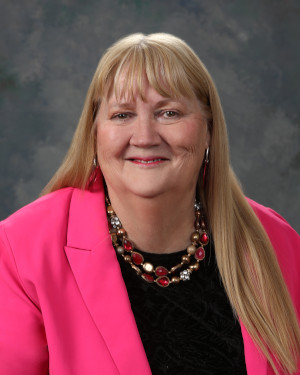
Rep. Liz Thomson
Sponsored bills
Maddy summaryHB 534, introduced by Representatives Torres-Velásquez and Thomson, requires New Mexico's Children, Youth and Families Department to develop a trauma-informed storytelling program for children in foster care. The bill directs the department to contract with speech-language pathologists to train foster parents and case workers, using family experiences in subjects like math or history to build children's language and emotional skills through autobiographical storytelling. It also mandates establishing service standards for training quality, confidentiality, and creating an evaluation framework for the program. The bill was referred to committees but was postponed indefinitely on June 3, 2025, and does not yet have effect.
Maddy summaryHB 82 would allow New Mexico to join the Physical Therapy Licensure Compact, enabling licensed physical therapists from participating states to practice in New Mexico without obtaining a separate license. The bill requires states to conduct federal criminal background checks and share disciplinary information to protect public safety, while maintaining each state's authority over licensure. It directly affects physical therapists seeking to practice across state lines and patients who would gain broader access to physical therapy services. The compact aims to simplify interstate practice without changing core state regulatory standards.
Maddy summaryHB 395 creates a $1,000 annual income tax credit for licensed healthcare professionals (such as doctors, nurses, or dentists) who serve as preceptors at New Mexico colleges or universities. To qualify, preceptors must provide at least four weeks of free clinical training to graduate students pursuing healthcare degrees (like medicine, nursing, or pharmacy) at accredited New Mexico institutions. The credit reduces the preceptor’s state tax bill, with unused portions carried forward to future years. Applications require certification from the employing institution confirming the training period and the student’s program. This policy directly supports healthcare educators by offering a financial incentive for their clinical training work.
Maddy summaryThis bill (HB 612) has no substantive policy language provided in the available context. The bill's title references public peace, health, safety, and welfare, but no specific provisions, mechanisms, or affected groups are described. It was referred to the House Rules and Order of Business Committee and was postponed indefinitely on June 3, 2025. Without further details on the proposed changes, a policy summary cannot be provided.
Maddy summarySB 62 restricts pharmacy benefit managers (PBMs) to charging only flat, fair-market-value service fees directly tied to their services, banning other fees or financial conflicts. It defines "bona fide service fees" as simple dollar amounts consistent with market value, prohibiting PBMs from earning extra revenue through pharmacy ownership or other arrangements that create conflicts of interest. This directly affects PBMs and pharmacies, as it limits how PBMs can charge for services and requires transparency in fee structures. The bill also classifies violations as unfair or deceptive trade practices under state law, strengthening oversight of PBM billing.
Maddy summaryHB 329 establishes a Behavioral Health Purchasing Collaborative to coordinate mental health and substance abuse services across New Mexico state agencies. The collaborative, attached to the Governor's office, will develop statewide service plans addressing regional needs (including rural, cultural, and border issues), consolidate behavioral health funding requests, and set quality standards for contracted providers. It requires the Governor to appoint a Director from nominees submitted by a new nominating committee, and mandates quarterly reports to legislative committees on service metrics and spending. This bill directly affects state agencies managing behavioral health programs and the residents accessing these services.
Maddy summaryHB 267 allows experienced physician assistants (with three or more years of clinical practice) to supervise newly licensed physician assistants, rather than requiring supervision only by licensed physicians. This change directly affects new PAs seeking supervision and experienced PAs who may qualify to oversee them. The bill amends New Mexico’s Physician Assistant Act to establish a board-approved process for experienced PAs to supervise new PAs, as specified in Section 3 of the amended law. The bill was referred to committees but was postponed indefinitely on June 3, 2025, and did not become law.
Maddy summaryHB 266 eliminates a requirement that physician assistants (PAs) in New Mexico must maintain a formal supervising or collaborating relationship with a licensed physician to practice. This change directly affects PAs by allowing them to practice independently after initial licensure, removing the need for ongoing physician oversight. The bill amends Section 61-6C-3 of the state law to state that PAs "may practice independently" without supervision, while keeping other requirements like biennial certification and fees intact. The key mechanism is the repeal of the supervision mandate, shifting PAs toward greater autonomy within their scope of practice.
Maddy summaryHB 407 appropriates $300,000 from the general fund to the New Mexico Department of Health for shaken baby syndrome prevention. The funding will update educational materials with UNM Pediatrics, require all state hospitals to implement prevention training programs, and establish statewide reporting for cases of shaken baby syndrome and abusive head trauma. This bill directly affects hospitals statewide and prevention efforts targeting infant safety. It focuses on concrete policy changes through funding allocation, not legislative mandates. The bill was referred to committees but was postponed indefinitely in June 2025.