Issue · Criminal Justice

Criminal Justice

Every criminal justice bill, vote, and legislator stance in New Mexico, automatically classified by Maddy, our AI policy reader.

Total bills
40
2026 Regular Session
Top supporter
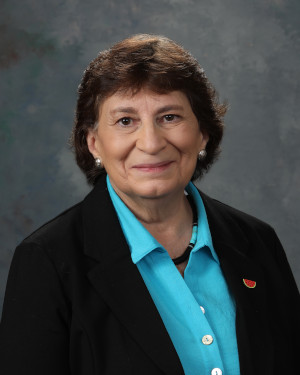
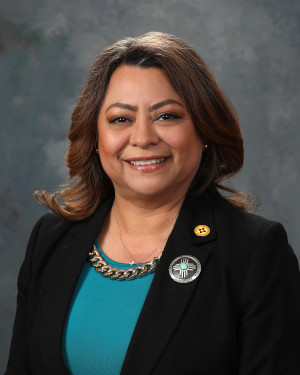
Eleanor Chávez
100% support rate
Top opponent
Brian Baca
0% support rate
Ranked legislators
10
5 support · 5 oppose
Key legislators

Who's moving criminal justice in New Mexico

Legislators moving criminal justice in New Mexico
Legislator Party Stance Support rate Votes
Eleanor Chávez
Eleanor Chávez House · District 26
D
Strong +
100% 16
Chris Chandler
Chris Chandler House · District 43
D
Strong +
100% 14
Linda Serrato
Linda Serrato House · District 45
D
Strong +
100% 15
Marianna Anaya
Marianna Anaya House · District 18
D
Strong +
100% 16
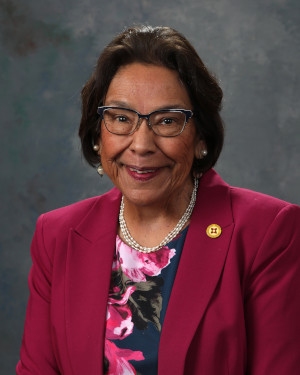
Pat Roybal Caballero
Pat Roybal Caballero House · District 13
D
Strong +
100% 13
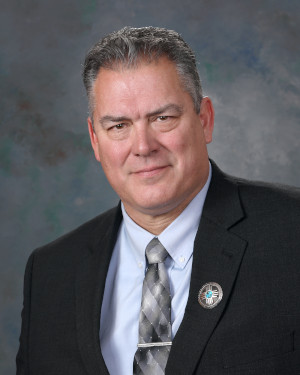
Brian Baca
Brian Baca House · District 8
R
Strong −
0% 15
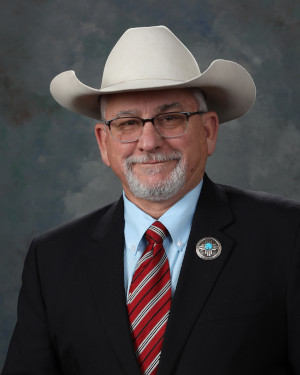
Randy Pettigrew
Randy Pettigrew House · District 61
R
Strong −
0% 15
Jimmy Mason
Jimmy Mason House · District 66
R
Strong −
0% 14
Angelita Mejia
Angelita Mejia House · District 58
R
Strong −
0% 16
Stefani Lord
Stefani Lord House · District 22
R
Strong −
0% 14
Showing 11–20 of 40 bills

All criminal justice bills

in committee · New Mexico · House Mar 24, 2026

HB 182: VIOLATION OF CURFEW AS DELINQUENT ACT

HB 182 reclassifies violating a local curfew ordinance as a "delinquent act" under New Mexico's juvenile justice system. This change directly affects minors (children under 18) who break curfews set by county or municipal governments. The bill amends the state's Delinquency Act to explicitly include curfew violations in the list of actions that qualify as delinquent acts, alongside other offenses like alcohol possession or minor traffic violations. This means curfew breaches would now be handled through juvenile court processes rather than potentially being treated as minor infractions. The policy change does not alter existing curfew laws but shifts how violations are categorized and addressed.
in committee · New Mexico · House Mar 24, 2026

HJR 2: DENIAL OF BAIL, CA

This constitutional amendment proposal would allow courts to deny bail for felony defendants if prosecutors present clear evidence that release would endanger people or the community, or if the person is a flight risk. For violent or dangerous felony charges, courts would automatically presume these risks unless the defendant proves otherwise with a preponderance of evidence (more likely than not). It also requires courts to consider financial hardship when setting bail, preventing detention solely due to inability to pay bond. As a constitutional amendment, it must be approved by voters at the next general election.
in committee · New Mexico · Senate Mar 24, 2026

SB 86: HARASSMENT BY TELEPHONE

SB 86 updates New Mexico's harassment law to include digital communications like social media posts, texts, and emails, replacing outdated "telephone" references. It makes it illegal to use these platforms with intent to terrify, intimidate, threaten, harass, or annoy others through obscene language, threats, or repeated anonymous messages. The law defines "electronic communication" to cover all major digital channels and maintains existing penalties: misdemeanor for first offenses, felony for repeat violations. This directly affects individuals using digital tools to harass others in New Mexico.
in committee · New Mexico · Senate Mar 24, 2026

SB 167: CRIME OF DEADLY WEAPON ON SCHOOL PREMISES

SB 167 raises the penalty for unlawfully carrying a deadly weapon on school premises from a fourth-degree felony to a third-degree felony, resulting in harsher sentencing for this offense. It clarifies the definition of "school premises" to include school buses, playgrounds, parking areas, and other public spaces where school activities are held. The bill directly affects individuals who carry weapons in these areas without one of the specified exceptions, such as school security personnel, students in authorized programs, or persons in private vehicles for lawful protection. This change modifies the criminal penalty without altering the list of allowed exceptions for carrying weapons.
Sub-Topics Firearms Sentencing
passed · New Mexico · Senate Mar 24, 2026

SB 50: LAW ENFORCEMENT TRAINING REQUIREMENTS

SB 50 removes annual in-service training requirements for certified police officers and telecommunicators in New Mexico. It specifically eliminates the need for yearly refreshers on topics like domestic abuse incident training, child abuse incident training, mental health interaction, crisis de-escalation, and trauma kit use that were previously mandated under existing law. The bill retains basic training requirements but reduces the frequency of mandatory annual updates for officers and telecommunicators. This directly affects all certified law enforcement personnel and public safety telecommunicators statewide. The change streamlines training obligations without altering the core curriculum content for initial certification.
in committee · New Mexico · House Mar 24, 2026

HB 228: FIREARMS & TRAFFICKING CONTROLLED SUBSTANCES

HB 228 creates a new third-degree felony offense for carrying a firearm while trafficking controlled substances, defined as violating existing drug trafficking laws (Section 30-31-20 NMSA 1978). It directly affects individuals convicted of drug trafficking who also possess a firearm during the crime. The bill specifies that "firearm" includes any weapon designed to expel a projectile or its frame/receiver. Violators face sentencing under existing felony penalties (Section 31-18-15 NMSA 1978) and the law takes effect July 1, 2026. This amendment does not change drug trafficking laws but adds a separate penalty for firearm possession during such offenses.
in committee · New Mexico · House Mar 24, 2026

HB 163: DENIAL OF BAIL FOR CERTAIN OFFENSES

HB 163 designates specific felony offenses, including murder, sexual assault, kidnapping, and firearm-related crimes, as "dangerous or violent" for bail hearings. For defendants charged with these offenses, the court must presume that releasing them would not protect the community, requiring the defendant to prove by more likely than not that they can be safely released. The bill lists 15 categories of offenses, such as first-degree murder, certain sexual penetrations, and aggravated assault on peace officers, directly affecting individuals charged with these crimes. It would take effect only after a constitutional amendment is approved by voters, which must be enacted to implement the bail presumption.
in committee · New Mexico · House Mar 24, 2026

HB 105: CHILD OFFENDER COMMITMENT EXTENSIONS

HB 105 allows New Mexico courts to extend juvenile commitments or probation for delinquent children up to age 25, instead of the previous maximum age limits. This directly affects minors adjudicated delinquent under specific provisions of state law, particularly those found guilty of certain offenses (like those listed in Section 32A-2-3). The bill amends court procedures to grant judges discretion to set dispositions lasting until the child turns 25, rather than ending at age 21 or earlier. It does not change the types of dispositions (like short-term or long-term commitments) but expands the maximum duration for court-ordered supervision or placement. The bill is currently pre-filed and awaiting committee review.
passed · New Mexico · House Mar 24, 2026

HB 234: DEFINITION OF FENTANYL

HB 234 defines "fentanyl" to include specific analogs like para-bromofentanyl and para-fluoroacetyl fentanyl, expanding the scope of substances covered under trafficking laws. This directly affects individuals charged with fentanyl trafficking by clarifying which substances trigger enhanced sentencing penalties. The bill amends sentencing provisions to apply stricter prison terms (3-5 years) based on the quantity of fentanyl or its analogs possessed, or if the defendant recruited others to traffic. The definition change ensures these specific synthetic opioids are treated as fentanyl under existing criminal sentencing statutes.
died · New Mexico · House Mar 24, 2026

HB 125: DELINQUENCY ACT CHANGES

HB 125 amends New Mexico's juvenile justice laws by expanding the definitions of "delinquent act," "youthful offender," and "serious youthful offender" in the Delinquency Act and Criminal Sentencing Act. The bill adds specific offenses to the list of delinquent acts, including driving under the influence, alcohol and cannabis possession by minors, graffiti, and violating an order of protection. It also adjusts criteria for youthful offender status, such as including 14-year-olds convicted of first-degree murder and minors with three prior felony adjudications. These changes directly affect minors in New Mexico who commit these offenses, altering how their cases are classified under juvenile justice.
Showing 11 to 20 of 40 bills
Previous 1 2 3 4 Next