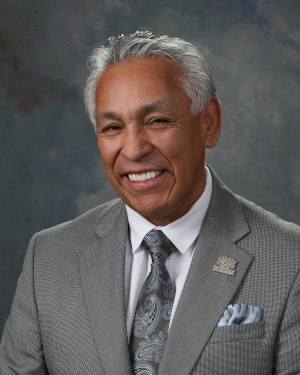
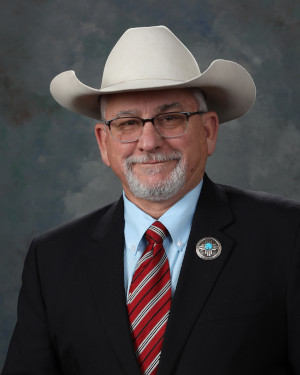
HB 190 appropriates $1 million from the general fund to New Mexico's Workforce Solutions Department for fiscal year 2027 to provide eviction prevention and housing assistance specifically for LGBTQ+ individuals experiencing homelessness. The bill directly affects LGBTQ+ New Mexicans facing housing instability by funding targeted support services. Key provisions include mandatory use of funds for housing-related aid during 2027, with any unspent balance reverting to the general fund by year-end. The legislation focuses on concrete funding allocation without altering eligibility rules or creating new mandates.
HB 170 appropriates $1.4 million from the state general fund to the University of New Mexico's Board of Regents for its Basic Needs Project during fiscal year 2027. The funds will support UNM's existing program addressing student needs like food and housing insecurity. Any unspent money at year-end must revert to the state general fund. This bill directly affects UNM students through its funding mechanism, with no new policy requirements beyond the financial allocation.
HB 42 allocates $200,000 from the general fund to New Mexico's Aging and Long-Term Services Department for fiscal year 2027. The funds will contract with providers to supply frozen food, including medically tailored meals, to communities facing high food insecurity, limited healthy food access, and populations with medical conditions requiring special diets. The bill directly affects vulnerable residents in these underserved communities by improving access to nutritious, condition-specific food options. Any unspent funds at year-end will revert to the general fund.
SB 121 increases New Mexico's tobacco products tax rate from 25% to 40% on most tobacco products, including e-cigarettes and e-liquids. The bill directs 35% of the additional tax revenue to a new "Nicotine Use Prevention and Control Fund" administered by the Department of Health. This fund will finance youth-focused prevention programs, educational materials, and advertising for people aged 5-25, in collaboration with education departments. The tax hike directly affects tobacco manufacturers, retailers, and consumers through higher prices on products like cigarettes, cigars, e-cigarettes, and e-liquids.
HB 248 authorizes New Mexico to issue $500 million in general obligation bonds to fund capital projects including senior centers statewide, higher education facilities, and public libraries. The bonds would be paid through a new property tax levy on all taxable property in the state, with principal and interest due over a maximum 10-year term. Voter approval via a statewide referendum at the 2026 general election is required before the bonds can be issued. This bill creates a new state debt obligation backed by the full faith and credit of New Mexico, directly affecting taxpayers through the property tax mechanism.
HB 142 expands New Mexico's health care tax credit to include practitioners working in urban health care underserved areas, not just rural ones. It increases the maximum credit for rural practitioners from $5,000 to $10,000 for full-time service (1,584+ hours) and reduces the required hours for emergency medical physicians from 1,500 to 1,440 annually. The bill also creates tiered credit amounts based on location (rural vs. urban) and hours worked, with higher credits for longer service periods. This directly affects licensed health care providers like doctors, nurses, and therapists practicing in underserved communities across New Mexico. The bill is currently under review by the House Health & Human Services and Taxation committees.
SB 93 creates a 50% corporate income tax credit for New Mexico railroads that make qualified infrastructure investments, such as track reconstruction, new rail spurs, or facilities for new customers. It directly affects railroads classified as Class 2 or 3 by the federal government or owners/lessees of rail spurs in New Mexico, with credit limits of $5,000 per mile of track for maintenance/replacement or $1 million per new customer project. The credit requires Department of Transportation certification, has a $6 million annual cap, and allows transfer of unused credits between taxpayers. Its purpose is to incentivize rail expansions that would not occur without the credit, aiming to increase freight capacity and reduce highway congestion.
HB 55 would allow first responder retirees (including law enforcement officers, firefighters, and emergency medical personnel) and their unmarried surviving spouses to deduct 50% of their retirement pay earned from first responder service from their state income tax. To claim this deduction, taxpayers must submit proof of eligibility to the New Mexico tax department and report the deduction as required. The policy applies to tax years beginning January 1, 2026, and the deduction would be counted in the state’s tax expenditure budget. This change directly affects eligible retirees by reducing their taxable income related to first responder service.
This House Memorial (HM 28) is a non-binding request to New Mexico's governor, asking them to formally opt the state into the federal Education Freedom Tax Credit program. It does not create new state law but urges the governor to submit an "advance election" to the IRS, allowing New Mexico residents to claim federal tax credits for donations to scholarship organizations supporting K-12 students. The program, enacted by federal law, enables dollar-for-dollar tax credits for charitable contributions to scholarship-granting groups, with no cost to New Mexico’s state budget. The memorial emphasizes that delaying this decision could redirect private donations to other states, potentially reducing educational funding opportunities for New Mexico families.
SB 123 allocates $1.2 million from the state general fund to the Public Education Department to provide grants to public schools for purchasing, installing, testing, or maintaining automated external defibrillators (AEDs). The funding is restricted to schools meeting specific requirements under state law and excludes urban-area schools from 2027 grants, with a maximum of $400,000 spent annually through fiscal year 2029. Unspent funds by 2029 will revert to the general fund. This bill directly affects public schools seeking AED equipment funding, with no new mandates beyond the existing legal requirements for school AED programs.