

Maddy summarySRES 536 is a non-binding Senate resolution designating December 2, 2025, as "World Nuclear Energy Day." It commemorates nuclear energy's role in clean power generation, highlighting historical milestones like the first nuclear chain reaction (1942) and the first commercial nuclear plant (1957). The resolution celebrates nuclear energy's contributions to U.S. electricity (18% of generation, 43% carbon-free), job creation (over 70,000 direct jobs), and national security, without creating new laws or affecting any group. It serves as a symbolic recognition of the industry's achievements.
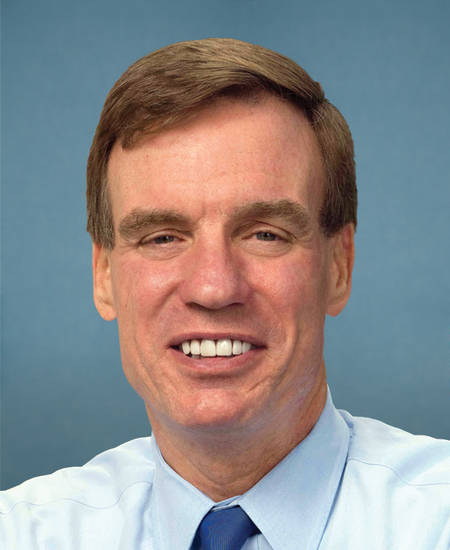
Sen. Mark R. Warner
Sponsored bills
Maddy summarySRES 533 is a non-binding Senate resolution condemning white supremacy, hate, and antisemitism, with specific focus on the promotion of these ideologies by white supremacist Nick Fuentes and his platforming by Tucker Carlson. It highlights Fuentes' Holocaust denial, antisemitic conspiracy theories (like the "Great Replacement" myth), and use of dog whistles, while criticizing Carlson for hosting Fuentes without challenge and Heritage Foundation's Kevin Roberts for defending such views. The resolution urges all elected officials and leaders to reject these ideologies whenever they occur, and affirms condemnation of Nazism and the Holocaust. As a formal expression of Senate opinion, it does not create new laws but serves as a public stance against harmful rhetoric.
Maddy summaryThe PBM Price Transparency and Accountability Act requires pharmacy benefit managers (PBMs) to be more transparent about drug pricing and ensure accurate payments to pharmacies. It establishes national average drug acquisition cost benchmarks for Medicaid, prohibits PBMs from keeping excessive profits through "spread pricing," and mandates detailed reporting of drug pricing, rebates, and fees. The bill affects Medicaid programs, Medicare Part D plans, and the PBMs that negotiate drug prices on behalf of insurers. It includes enforcement mechanisms like civil penalties for non-compliance and requires PBMs to report detailed pricing information to the Secretary of Health and Human Services.
Maddy summaryThe HUSTLE Act creates tax-advantaged investment accounts for student athletes to save income from name, image, and likeness (NIL) deals. Eligible student athletes at participating colleges can contribute NIL earnings (like endorsements and social media content) to these accounts, which are tax-exempt for the athlete. Distributions before graduation are taxed as ordinary income, but distributions after graduation or transfer qualify for lower long-term capital gains tax rates. The accounts have annual contribution limits based on the gift tax exclusion and require management by banks or approved entities. The bill also includes new rules for sports agents, such as a 5% fee cap on endorsement contracts and registration requirements.
Maddy summaryS 3302, the Mikaela Naylon Give Kids a Chance Act of 2025, requires drug manufacturers developing cancer treatments to conduct pediatric-focused research for certain drugs targeting pediatric cancer mechanisms. It amends FDA drug approval processes to mandate molecularly targeted pediatric cancer investigations for drugs with new active ingredients or specific approved combinations, ensuring studies address dosing, safety, and efficacy for children. The bill also extends priority review vouchers (which expedite FDA reviews) for rare pediatric disease treatments until 2030 and mandates GAO studies to evaluate how effectively these incentives spur new pediatric cancer drug development. These changes apply to new drug applications submitted three years after the law's enactment, with reports due to Congress at 6, 8, and 10 years.
Maddy summaryThe Roadless Area Conservation Act of 2025 would maintain existing protections for designated roadless areas within the National Forest System by prohibiting new road construction, reconstruction, or logging in those areas. It directly affects National Forest lands managed by the U.S. Department of Agriculture’s Forest Service, where the Roadless Rule already restricts such activities. The bill’s key mechanism requires the Secretary of Agriculture to enforce these current restrictions without adding new limitations. This policy change preserves existing protections for watersheds, wildlife habitats, recreation opportunities, and culturally significant sites within these roadless areas.
Maddy summaryS 3267, the ASAP Act, would require Medicare to cover early detection screening tests for Alzheimer's disease and related dementias starting January 1, 2028. The bill defines these tests as FDA-cleared or approved blood, genomic, or imaging-based screenings for pre-symptomatic or early-stage detection. It directly affects Medicare beneficiaries aged 65+ who may be at risk for Alzheimer's, ensuring coverage for these specific tests once approved. The key provision adds these screenings to Medicare's payment system under Section 1833(h)(1)(A) of the Social Security Act.
Maddy summaryThis bill repeals sections 10101 through 10108 of the 2025 Farm Bill (Public Law 119-21) and restores the previous law that existed before those sections were enacted. It directly affects food security programs for American families and farmers by reverting to the prior provisions of the Farm Bill. The key mechanism is a simple repeal and restoration of pre-existing law, without creating new programs or altering current funding structures.
Maddy summaryThis bill establishes the NIH IMPROVE Initiative to advance maternal health research and reduce preventable maternal deaths and serious pregnancy complications. It directs the NIH Director to fund research focused on reducing health disparities, understanding regional factors affecting maternal outcomes, and implementing community-based interventions for disproportionately affected populations. The initiative authorizes $73.4 million annually from 2026 through 2031 for grants and contracts to support this work. The bill directly affects NIH researchers and communities with high maternal mortality rates, particularly those facing racial and geographic health disparities.
Maddy summarySRES 507 designates November 20, 2025, as "National Rural Health Day," continuing an annual observance established in 2011. The resolution recognizes rural health care providers and the communities they serve, acknowledging challenges like hospital closures and access barriers in rural areas. It does not create new policies or funding but formally designates a date for public recognition. This procedural resolution was introduced by multiple senators and passed unanimously.