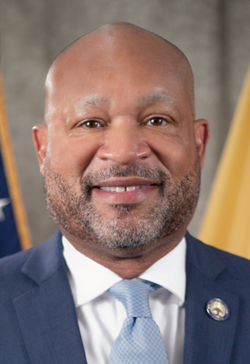
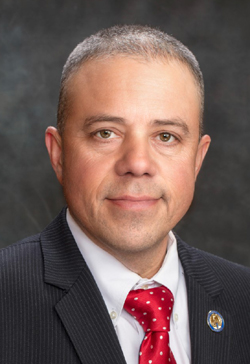
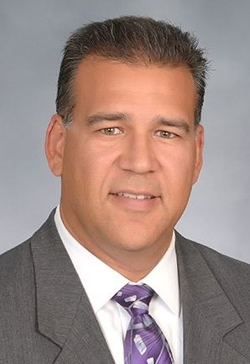
The SAFE Act (S 1915) creates a New Jersey scholarship program to help low-income teens aged 16-17 cover the cost of a required six-hour behind-the-wheel driver education course. It appropriates $1 million from the state General Fund to provide scholarships covering the full course cost or $500 (whichever is less) for eligible residents from households at or below twice the federal poverty level. To qualify, applicants must be NJ residents, pass a written driving exam, and meet income requirements. The program, administered by the Motor Vehicle Commission, will award scholarships on a rolling basis as funds allow, with annual reports to the Governor and Legislature. The bill is pending in the Senate Transportation Committee.
This bill requires New Jersey school districts to send parents of students with disabilities an annual written notice about available advanced placement (AP) courses. The notice must include the course name, description, and any enrollment prerequisites. It also prohibits schools from excluding students with disabilities from AP courses solely because of their disability. The law directly affects students with disabilities and their families by ensuring equal access to AP opportunities and clear information about course options.
This New Jersey bill (S 1228) requires public schools to create emergency policies for students with seizure disorders. It mandates schools to train at least two non-nurse staff members (in addition to the school nurse) to administer nasal seizure rescue medication and use a manual vagus nerve stimulator during emergencies, with parental consent and written documentation. Schools must also develop individualized emergency plans in collaboration with parents and healthcare providers, and ensure students receive hospital evaluation after treatment. The bill protects school staff from liability for good-faith actions under these protocols, provided they follow training and consent requirements. The bill was introduced to the Senate Education Committee in January 2026.
This New Jersey bill allows the Secretary of Higher Education to appoint an antisemitism monitor at any public or private institution of higher education in the state. The monitor reviews campus policies on antisemitism, establishes anonymous reporting procedures for incidents, and issues quarterly reports with recommendations to improve safety for Jewish students and staff. Institutions must implement the monitor's recommendations, and failure to comply could result in reduced state funding or loss of student financial aid eligibility. The bill defines antisemitism using the International Holocaust Remembrance Alliance's 2016 working definition.
This bill increases the tuition credit amount for volunteer firefighters and first responders in New Jersey. It raises the annual credit from $600 to $1,250 per year (up to a total of $5,000 over four years) for active members of volunteer fire companies or first aid/rescue squads, plus their spouses and dependent children. To qualify, individuals must agree to serve four years in such a volunteer organization and sign a service agreement with their municipality. The credit covers tuition at county colleges, vocational schools, or technical institutes, though students still pay required fees like lab or registration costs.
S 1727 requires New Jersey school districts to allow students receiving equivalent instruction outside public school (such as through homeschooling or private programs) to participate in district-sponsored extracurricular activities - including sports, clubs, and music - in their resident district. Students must provide residency proof, meet the same eligibility and tryout criteria as enrolled students, and follow all district rules. For interscholastic sports, students cannot transfer solely for athletic advantage, and districts must provide access to required physical exams if offered to enrolled students. This bill directly affects non-public school students seeking extracurricular access and mandates equal participation standards without creating new district obligations beyond current practices.
This bill (S 501) allows New Jersey National Guard members who qualify for tuition-free education to transfer that benefit to their spouse or dependent child. It directly affects Guard members who complete required training and are in good standing, and their immediate family members pursuing undergraduate or graduate studies. The key provision requires the spouse or child to be enrolled full-time at a New Jersey public college or university, have applied for all available state and federal financial aid, and receive the benefit for one person only. The transfer does not change the existing requirements for the Guard member to qualify for the original tuition benefit.
This bill authorizes New Jersey municipalities to charge development impact fees on new construction projects to fund infrastructure improvements. It requires these fees to follow state-established guidelines and directs the funds toward upgrading roads, water systems, sewer facilities, and school infrastructure strained by new development. Developers of new projects will pay these fees, while municipalities will use the revenue to address specific infrastructure needs identified by the state. The bill also includes a funding appropriation to support this fee program.
This bill (S 2199) removes a requirement that student representatives on boards of trustees at New Jersey public colleges and universities must be U.S. citizens. It directly affects eligible students seeking board representation at institutions covered by the law, including state colleges and universities like Thomas A. Edison State University. The key change eliminates the phrase "and citizens of the United States" from existing eligibility rules, while keeping other requirements intact (full-time enrollment, 18+ years old, good academic standing). Student representatives will still serve two-year terms with a first-year alternate role, and retain full participation rights except on specific matters like personnel decisions or confidential litigation. The bill aims to broaden eligibility for student board members without altering other structural provisions.
This bill (S 194) modifies how New Jersey allocates state aid to school districts for providing auxiliary and remedial services (like speech correction, examinations, and supplementary instruction) to students attending nonpublic schools. It establishes a new formula for calculating aid amounts based on historical service data, requires annual reporting of eligible students, and mandates districts to budget for these services using state aid. The changes directly affect nonpublic school students needing these services and the local school districts responsible for delivering them. Note: This bill was withdrawn on January 13, 2026, as it was approved as part of P.L.2025, c.252.