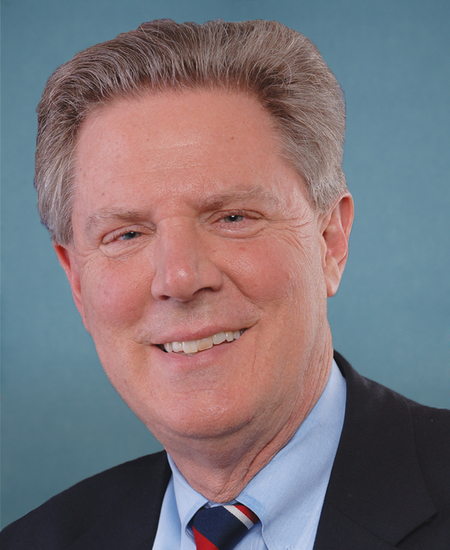
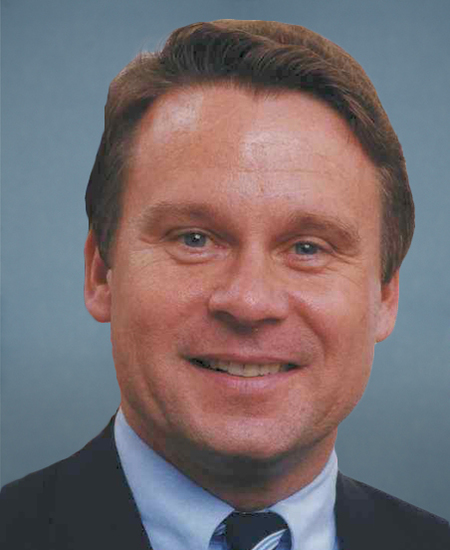
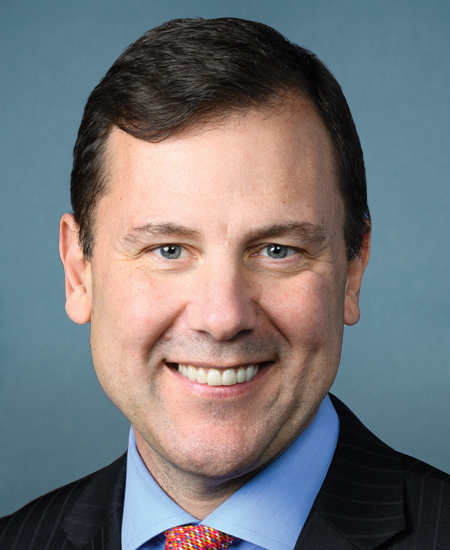
The AI LABS Act directs the Secretary of Education to provide competitive grants to states for establishing or expanding artificial intelligence programs in elementary and secondary schools. These funds are specifically designated for creating dedicated curricula that teach students how to use and understand AI, as well as providing professional development for teachers to integrate these tools into their instruction. Additionally, the bill requires the Secretary to conduct a study on how states utilize the grant money and submit a report with recommendations to Congress within one year of enactment.
This bill directs the Secretary of Education to conduct a study on how states, local school districts, and public schools teach students about the September 11, 2001 terrorist attacks. The study must examine whether 9/11 education is required or optional in curricula, identify available teaching resources and professional development for teachers, and assess the methods used to evaluate student learning. It also requires the Secretary to work with the National September 11 Memorial & Museum and submit a report on these findings to Congress within three years of the law's enactment.
This House resolution formally recognizes the 80th anniversary of the Fulbright Program, which was established in 1946 to promote international goodwill through student and scholar exchanges. The bill highlights that the program currently operates in over 160 countries and has provided grants to more than 450,000 individuals since its inception. It encourages Congress to continue supporting educational and cultural affairs programs as tools for advancing foreign policy and national security. Additionally, the resolution congratulates past and present recipients and calls on global professionals to engage in cross-cultural partnerships.
The Back-to-School Supplies Affordability Act prevents new tariffs from being applied to specific school supplies and educational materials, ensuring their prices remain at levels seen before January 19, 2025. This legislation directly affects students, families, teachers, and schools by exempting items such as notebooks, backpacks, pencils, pens, and certain electronic devices from increased import duties. The Secretary of Commerce is tasked with designating additional classroom items for this exemption in coordination with the Secretary of Education, while providing regular reports to Congress on the covered products. To maintain legislative oversight, the bill includes a mechanism allowing Congress to pass a joint resolution to disapprove any specific item designated for tariff exemption by the executive branch.
The Summer Meals and Learning Act of 2026 authorizes the Department of Education to provide competitive grants to state library agencies, which then distribute subgrants to local school districts for summer early reading programs. These funds are specifically targeted at schools that operate summer meal sites and have a significant portion of their young students struggling with or at risk of falling behind in reading. The bill requires participating schools to offer at least six weeks of literacy activities and expanded learning opportunities, including access to the school library, while encouraging collaboration with community partners. Appropriations for this initiative are authorized at $5 million annually from fiscal years 2027 through 2031.
The Early Childhood Educator Professional Improvement Act of 2026 authorizes the Secretary of Health and Human Services to award five-year grants to states to enhance the qualifications, pay, and professional development of early childhood educators. To receive funding, states must submit a comprehensive plan that includes establishing educator standards, creating career progression pathways, and coordinating with higher education institutions to offer accessible degree programs. Grant funds are specifically designated for providing scholarships, supporting credential attainment, increasing compensation for educators pursuing degrees, and offering ongoing training in areas such as cultural competence and child development. The legislation requires that these federal funds supplement rather than replace existing state or local resources, and states must maintain their own financial commitment to early childhood education at a level equal to or greater than the previous year.
This Senate resolution commemorates the 80th anniversary of the Fulbright Program, an initiative that facilitates international student and scholar exchanges in education, culture, and science. The bill formally acknowledges the program's role in promoting global goodwill and advancing U.S. foreign policy and national security through its extensive network of grants in over 160 countries. Additionally, it congratulates all past and present recipients of Fulbright awards and encourages people worldwide to pursue opportunities that foster international understanding and partnership.
The Summer Meals REACH Act of 2026 expands the Summer Food Service Program to allow all children to receive meals regardless of their income or residency status. It authorizes the distribution of these meals in noncongregate settings, such as homes or community centers, rather than requiring children to gather at specific locations. The bill mandates that states prioritize areas currently lacking congregate meal services and directs the Secretary of Agriculture to create new regulations ensuring the quality and integrity of these noncongregate meals within one year.
The Daycare Not Detentions Act of 2026 provides additional funding to the Department of Health and Human Services to support child care programs, including the Child Care and Development Block Grant, Head Start, and preschool development grants. These funds are intended to help states and organizations cover necessary expenses for these programs through fiscal year 2029. The bill also rescinds $70 billion in previously allocated money for U.S. Customs and Border Protection and U.S. Immigration and Customs Enforcement that has not yet been spent. Overall, the legislation redirects federal resources toward early childhood education and care rather than immigration enforcement activities.
This resolution condemns all forms of hate, including racism, antisemitism, transphobia, and xenophobia, while highlighting recent statistics on hate crimes affecting various communities. It calls for comprehensive federal and state policies to prevent hate crimes through education and intervention, as well as support for victims through legal aid and mental health resources. The measure also advocates for funding programs that are culturally accessible to vulnerable groups, such as immigrants and LGBTQIA+ individuals, and reaffirms the government's commitment to maintaining an inclusive democracy.