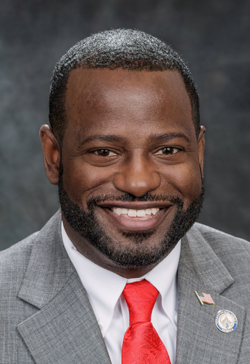
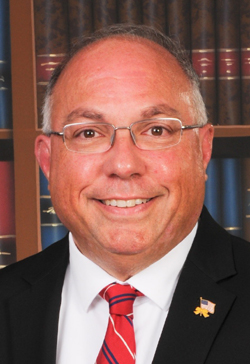
Key legislators
Who's moving criminal justice in New Jersey
Showing 11–13 of 13
bills
All criminal justice bills
This bill (S 3521) codifies New Jersey's Attorney General's "Strengthening Trust Between Law Enforcement and Immigrant Communities" directive into law. It prohibits state, county, and municipal law enforcement officers from stopping, questioning, arresting, or detaining individuals based solely on immigration status or federal immigration violations. The law also bans officers from asking about immigration status (except when directly relevant to investigating a specific crime) or sharing personal data like Social Security numbers, license details, or addresses with federal immigration authorities for enforcement purposes. The bill explicitly affirms that law enforcement must focus on state criminal law enforcement, not federal immigration enforcement, to maintain community trust and public safety.
This bill redirects fines for speeding violations under "Antwan's Law" in specific Burlington City zones (Route 130) to local municipalities. Currently, these tripled fines go to general municipal funds and county road funds, but this bill requires all such fines to be paid directly into the municipality's treasury. The funds must be used exclusively for pedestrian safety initiatives and law enforcement purposes within the municipality. It affects drivers who speed in the designated Burlington City areas covered by Antwan's Law, which reduces speed limits to 25-35 mph near schools and residential zones following a pedestrian fatality.
This bill allows individuals with traumatic or acquired brain injuries to voluntarily add a notation to their New Jersey driver's license, ID card, and the Motor Vehicle Commission (MVC) registry. It creates a secure registry where users can provide emergency contact information and vehicle details to help law enforcement communicate more effectively during traffic stops. The registry is accessible only to law enforcement during vehicle-related interactions, and users can remove or update their information at any time. The bill also requires training for officers on interacting with people who have brain injuries, ensuring the system prioritizes safety and clear communication without compromising privacy.