

Issue · Budget & Taxes
Budget & Taxes
Every budget & taxes bill, vote, and legislator stance in New Jersey, automatically classified by Maddy, our AI policy reader.
Total bills
1,808
2026-2027 Regular Session
Top supporter
Roy Freiman
100% support rate
Top opponent
Al Barlas
14% support rate
Ranked legislators
10
5 support · 5 oppose
Key legislators
Who's moving budget & taxes in New Jersey
| Legislator | Party | Stance | Support rate | Decisive votes |
|---|---|---|---|---|
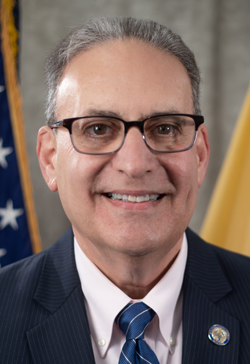
Roy Freiman
House · District 16
|
D |
Strong +
|
100% | 10 |

Anthony Angelozzi
House · District 8
|
D |
Strong +
|
100% | 7 |
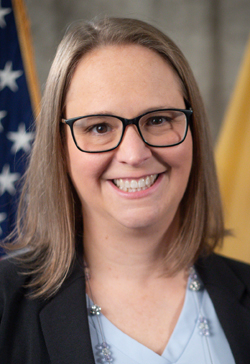
Andrea Katz
House · District 8
|
D |
Strong +
|
100% | 6 |
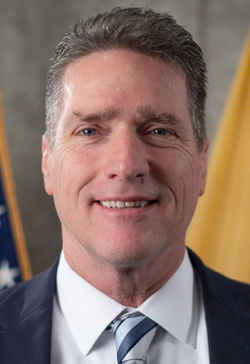
Dan Hutchison
House · District 4
|
D |
Strong +
|
100% | 6 |
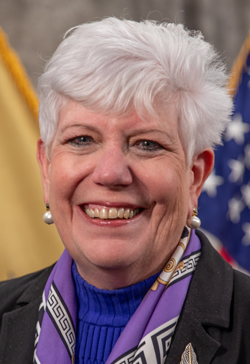
Maureen Rowan
House · District 2
|
D |
Strong +
|
100% | 6 |

Al Barlas
House · District 40
|
R |
Strong −
|
14% | 14 |

Bob Auth
House · District 39
|
R |
Strong −
|
14% | 14 |

Brian Rumpf
House · District 9
|
R |
Strong −
|
14% | 14 |
Dawn Fantasia
House · District 24
|
R |
Strong −
|
14% | 14 |
Erik Peterson
House · District 23
|
R |
Strong −
|
14% | 14 |
Showing 1,291–1,300 of 1,808
bills
All budget & taxes bills
S 2676: Requires certain local government community benefit agreements dedicate resources for affordable housing purposes.
Topics
✓ Budget & TaxesSupports Budget & TaxesMandates 50% of developer payments to affordable housing, directing public funds toward essential housing programs under fiscal management.
✓ HousingSupports HousingMandates 50% of developer payments over $100k from community benefits agreements to fund affordable housing, directly advancing low/moderate-income housing access.
Sub-Topics
Affordable Housing
S 2960: Establishes certain State funding preferences for municipalities that enhance opportunities to develop housing.
Topics
✓ Budget & TaxesSupports Budget & TaxesBill creates state funding preferences for municipalities adopting housing zoning changes, directing budget allocations toward housing development initiatives.
✓ HousingSupports HousingBill creates state funding incentives for NJ municipalities adopting zoning changes to boost housing development (e.g., accessory units, reduced parking), directly advancing housing supply and density goals.
✓ TransportationSupports TransportationRequires density near transit as a funding eligibility criterion, promoting transit-oriented development and sustainable transportation use.
S 624: Directs NJ Infrastructure Bank to establish financing program for electric school buses; allocates $20 million annually in societal benefits charge revenues to NJ Infrastructure Bank for purposes of program.
Topics
✓ Budget & TaxesSupports Budget & TaxesAllocates $20M annually from existing societal benefits charge to fund electric school bus program, advancing public infrastructure spending.
✓ EducationSupports EducationAllocates $20M annually for electric school buses, improving school transportation infrastructure as part of K-12 operational funding.
✓ EnergySupports EnergyBill allocates $20M annually to fund electric school buses and charging infrastructure, replacing diesel buses and reducing fossil fuel dependence.
✓ EnvironmentSupports EnvironmentFunds electric school buses to reduce diesel emissions, requiring environmental benefit assessments, directly advancing pollution control and clean energy adoption.
✓ TransportationSupports TransportationFunds electric school bus transition via NJ Infrastructure Bank, promoting sustainable transportation infrastructure and reducing emissions.
S 313: Requires businesses that violates State environmental laws to forfeit economic development subsidies under certain circumstances.
Topics
✓ Budget & TaxesSupports Budget & TaxesBill enforces fiscal responsibility by requiring forfeiture of subsidies for environmental violations, ensuring public funds aren't misused and promoting accountable government spending.
✓ EnvironmentSupports EnvironmentBill mandates forfeiture of subsidies or remediation costs for businesses violating environmental laws, strengthening enforcement and deterring pollution through financial penalties.
S 1125: Prioritizes distribution of 9-1-1 System and Emergency Response Trust Fund monies; permits use of funds for certain expenses incurred by counties and municipalities for the provision and maintenance of 9-1-1 emergency services.
Tags
Public Safety
S 662: Establishes various programs in DEP concerning management of publicly owned forested land; appropriates $60 million.
Topics
✓ Budget & TaxesSupports Budget & TaxesBill explicitly appropriates $60 million for DEP forest management program, directly funding a state environmental initiative under budget/fiscal management.
✓ EnergySupports EnergyBill establishes Carbon Reserve Forests for carbon sequestration to advance greenhouse gas reduction goals, directly supporting energy policy objectives to reduce emissions.
✓ EnvironmentSupports EnvironmentCreates Carbon Reserve Forests for carbon sequestration, mandates forest management plans for GHG reduction, and appropriates $60M for environmental protection of forested lands.
S 2995: Requires study and implementation of reference-based pricing for SHBP and SEHBP.
SR 39: Urges Congress and Department of Veterans Affairs not to reduce funding for ambulance services for veterans.
Topics
✓ Budget & TaxesSupports Budget & TaxesBill explicitly urges maintaining current federal funding for veteran ambulance services, preventing defunding of essential care programs.
✓ HealthcareSupports HealthcareBill prevents defunding of veteran ambulance services, maintaining current reimbursements for critical healthcare access. Directly protects healthcare access for 338k NJ veterans reliant on ambulance care.
✓ VeteransSupports VeteransBill explicitly urges maintaining funding for veterans' ambulance services to prevent financial barriers and service reductions, directly protecting healthcare access for 338,012 NJ veterans.
S 707: Eliminates salary reference for retired members of PERS returning to employment in teaching staff positions.
Topics
✓ Budget & TaxesSupports Budget & TaxesRemoves $10k salary threshold for PERS retirees, increasing state retirement spending and supporting funding of retirement programs.
✓ EducationSupports EducationRemoves salary barrier for retired teachers returning to higher education roles, supporting educator recruitment and retention without reducing benefits.
✓ Labor & EmploymentSupports Labor & EmploymentRemoves salary threshold, ensuring retired teachers retain retirement benefits without income restriction, protecting their financial security upon reemployment.
Sub-Topics
Pensions