Issue · Healthcare

Healthcare

Every healthcare bill, vote, and legislator stance in New Hampshire, automatically classified by Maddy, our AI policy reader.

Total bills
141
2026 Regular Session
Top supporter
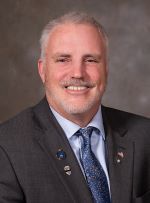
Dan Innis
82% support rate
Top opponent
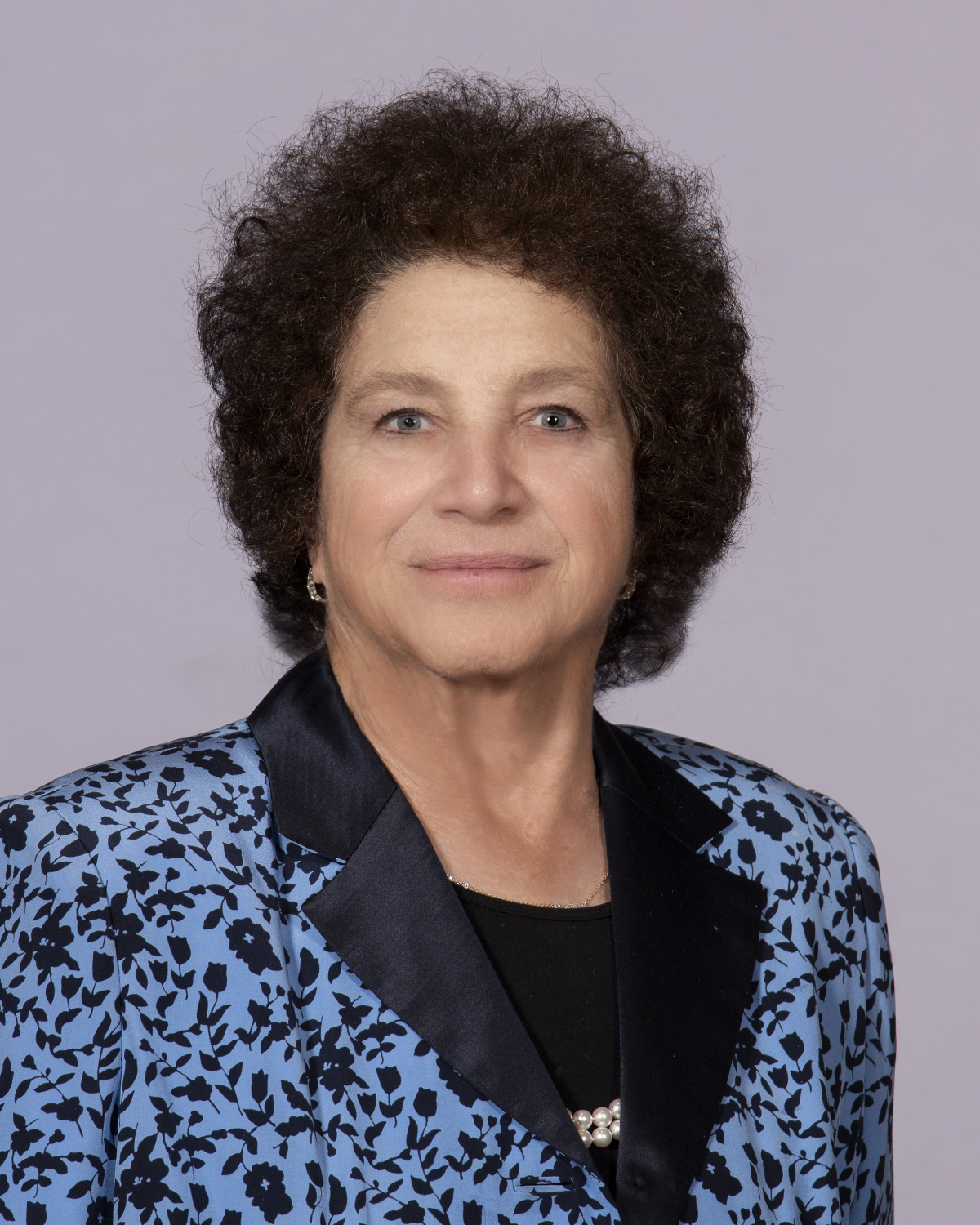
Cindy Rosenwald
27% support rate
Ranked legislators
10
5 support · 5 oppose
Key legislators

Who's moving healthcare in New Hampshire

Legislators moving healthcare in New Hampshire
Legislator Party Stance Support rate Decisive votes
Dan Innis
Dan Innis Senate · District 7
R
Strong +
82% 11
David Rochefort
David Rochefort Senate · District 1
R
Strong +
82% 11
Howard Pearl
Howard Pearl Senate · District 17
R
Strong +
82% 11
James Gray
James Gray Senate · District 6
R
Strong +
82% 11
Tim Lang
Tim Lang Senate · District 2
R
Strong +
82% 11
Cindy Rosenwald
Cindy Rosenwald Senate · District 13
D
Oppose
27% 11
David Watters
David Watters Senate · District 4
D
Oppose
27% 11
Debra Altschiller
Debra Altschiller Senate · District 24
D
Oppose
27% 11
Donovan Fenton
Donovan Fenton Senate · District 10
D
Oppose
27% 11
Pat Long
Pat Long Senate · District 20
D
Oppose
27% 11
Showing 41–50 of 141 bills

All healthcare bills

passed · New Hampshire · House May 8, 2026

HB 1249: authorizing pharmacists to provide certain medical devices associated with prescribed medication.

HB 1249 allows pharmacists to prescribe and dispense specific medical devices necessary for administering prescribed medications, directly affecting pharmacists and patients who use these devices. Key provisions include authorizing pharmacists to provide inhalation spacers, CPAP supplies, diabetes testing kits, insulin pump supplies, and related items like pen needles. Pharmacists must notify the prescribing provider after dispensing but are not required to do so before. The bill amends pharmacy practice definitions and requires the Board of Pharmacy to adopt implementing rules with medical and nursing boards.
Sub-Topics Prescription Drugs
signed · New Hampshire · House Jun 24, 2026

HB 1763: establishing a committee to study siting and maintenance rules regarding certain intellectual and developmental disability (IDD) and acquired brain disorder (ABD) community residences.

HB 1763 requires New Hampshire's Department of Health and Human Services (DHHS) to pay municipalities compensation equal to the lost property tax revenue from nonprofit residential facilities (like nursing homes or shelters) that are tax-exempt under state law. This compensation is calculated based on each facility's assessed property value and the municipality's tax rate, paid to the municipality before DHHS funds are disbursed to the nonprofit. The bill mandates nonprofits to provide property assessment verification, and DHHS must pay this compensation no later than 30 days prior to funding the facility. The fiscal note estimates annual costs of $11.5 million+ starting in 2027, funded from existing appropriations without new revenue or positions.
Sub-Topics Property Taxes
in committee · New Hampshire · Senate Feb 12, 2026

SB 452: enabling health care providers to offer certain complementary and alternative health care services.

SB 452 creates a new legal framework allowing unlicensed practitioners to offer certain complementary and alternative health care services (like acupuncture or nutritional counseling not covered by standard medical practice) without needing state licensing. It directly affects unlicensed providers and their patients, requiring providers to disclose their unlicensed status, share qualifications, and obtain written consent before offering services. The bill prohibits providers from performing surgery, prescribing drugs, manipulating spines, or advising patients to stop licensed medical treatments. It also mandates clear client disclosures about the provider's lack of licensure and maintains existing licensing requirements for standard medical practitioners.
Sub-Topics Medical Licensing
failed · New Hampshire · House Feb 5, 2026

HB 1747: relative to treatment of perinatal mental health conditions.

This bill requires New Hampshire's Insurance Department to reimburse pregnant Medicaid recipients for mental health screenings each trimester and to pay healthcare providers for advising patients about perinatal mental health resources. It also directs the Department of Health and Human Services to create outreach programs for providers and incentive programs for certified perinatal mental health therapists, requiring two years of employment for reimbursement eligibility. The bill mandates higher Medicaid reimbursement rates for certified providers but does not allocate new state funding for implementation. It directly affects pregnant Medicaid patients and healthcare providers specializing in perinatal mental health.
Sub-Topics Medicaid Mental Health
signed · New Hampshire · Senate Jun 8, 2026

SB 421: relative to the membership and duties of the trauma medical review committee and establishing a study committee to review the membership and duties of other boards and an appointment related to emergency medical services.

SB 421 amends New Hampshire's trauma medical review committee membership and adds an annual reporting requirement. The bill specifies that the committee must include representatives from all trauma hospital levels (I-IV), emergency medical services groups, trauma nurses, fire services, and a trauma survivor. It also requires the committee to annually report to the governor on trauma hospital locations and levels, committee recommendations for system improvement, and data on leading causes of injury and death from both intentional and unintentional causes. This bill directly affects trauma hospitals, medical providers, emergency services, and injury prevention stakeholders in New Hampshire.
Sub-Topics Hospitals
failed · New Hampshire · Senate May 14, 2026

SB 640: relative to the use of artificial intelligence to provide services requiring a professional license.

SB 640 prohibits using artificial intelligence to provide services requiring a professional license (such as psychology, mental health, or substance abuse counseling) unless those services are delivered by a licensed professional. The bill specifically bans AI from replacing human professionals in direct client interactions, though it allows AI for administrative tasks like scheduling or billing. It also authorizes the Office of Professional Licensure to collect fees to cover enforcement costs for violations. This applies to all licensed professions in New Hampshire, with additional specific rules for psychologists and mental health practitioners.
passed both · New Hampshire · Senate May 21, 2026

SB 504: relative to the practice of pharmacy and the dispensing of certain medications by pharmacists, authorizing the establishment of experimental treatment centers, and permitting treatment of certain severe illness under the right to try act.

SB 504 allows licensed healthcare providers to dispense up to a 30-day supply of certain cancer medications directly to patients under a doctor's supervision, requiring clinics to maintain a full-time pharmacist available for consultation. It removes the requirement for pharmacists' names on controlled drug labels and permits advanced pharmacy technicians to perform remote medication processing. The bill updates the definition of "practice of pharmacy" to include modern services like medication therapy management and collaborative care. These changes streamline access to cancer medications while maintaining safety protocols for pharmacy operations.
Sub-Topics Prescription Drugs
failed · New Hampshire · Senate May 14, 2026

SB 480: limiting certain prior authorization requirements for physical therapy, occupational therapy, and similar rehabilitative services.

SB 480 prohibits health insurers from requiring prior authorization for the first 12 visits of physical therapy, occupational therapy, or similar rehabilitative services for each new health condition or condition not treated within the previous 60 days. Patients seeking these therapies and their insurers are directly affected by this change. Insurers may still deny coverage if treatment is determined not to be medically necessary. The law takes effect 60 days after enactment.
signed · New Hampshire · Senate Jun 24, 2026

SB 548: relative to health carrier provider contract standards.

SB 548 requires health insurance companies in New Hampshire to hold a public hearing with the insurance commissioner within 15 business days if they terminate a contract with a healthcare provider that would affect 1,000 or more patients. It also mandates that all health insurance provider contracts include a 60-day provision ensuring patients maintain access to their provider after termination (except for unprofessional conduct), and requires insurers and providers to jointly notify affected patients about this access and the hearing. The bill directly affects health insurers, healthcare providers, and patients covered by these contracts. These provisions aim to ensure transparency and continuity of care during contract terminations that impact large groups of patients.
Sub-Topics Insurance
failed · New Hampshire · Senate Apr 23, 2026

SB 457: relative to the licensing of physicians who graduated from medical schools outside of the United States or Canada.

SB 457 creates a pathway for international physicians trained outside the U.S. or Canada to obtain a temporary license to practice medicine in New Hampshire. To qualify, applicants must provide proof of completed residency or 5+ years of practice abroad, good standing with their home country's medical regulator, English fluency, U.S. work authorization, and a job offer at a healthcare facility with an Accreditation Council for Graduate Medical Education-accredited residency program. Temporary license holders may only work at such facilities and must maintain good standing for two years to receive a full, unrestricted license. The bill does not require new state funding or create additional positions.
Showing 41 to 50 of 141 bills
Previous 1 … 4 5 6 … 15 Next