Issue · Healthcare

Healthcare

Every healthcare bill, vote, and legislator stance in New Hampshire, automatically classified by Maddy, our AI policy reader.

Total bills
141
2026 Regular Session
Top supporter
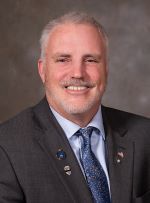
Dan Innis
82% support rate
Top opponent
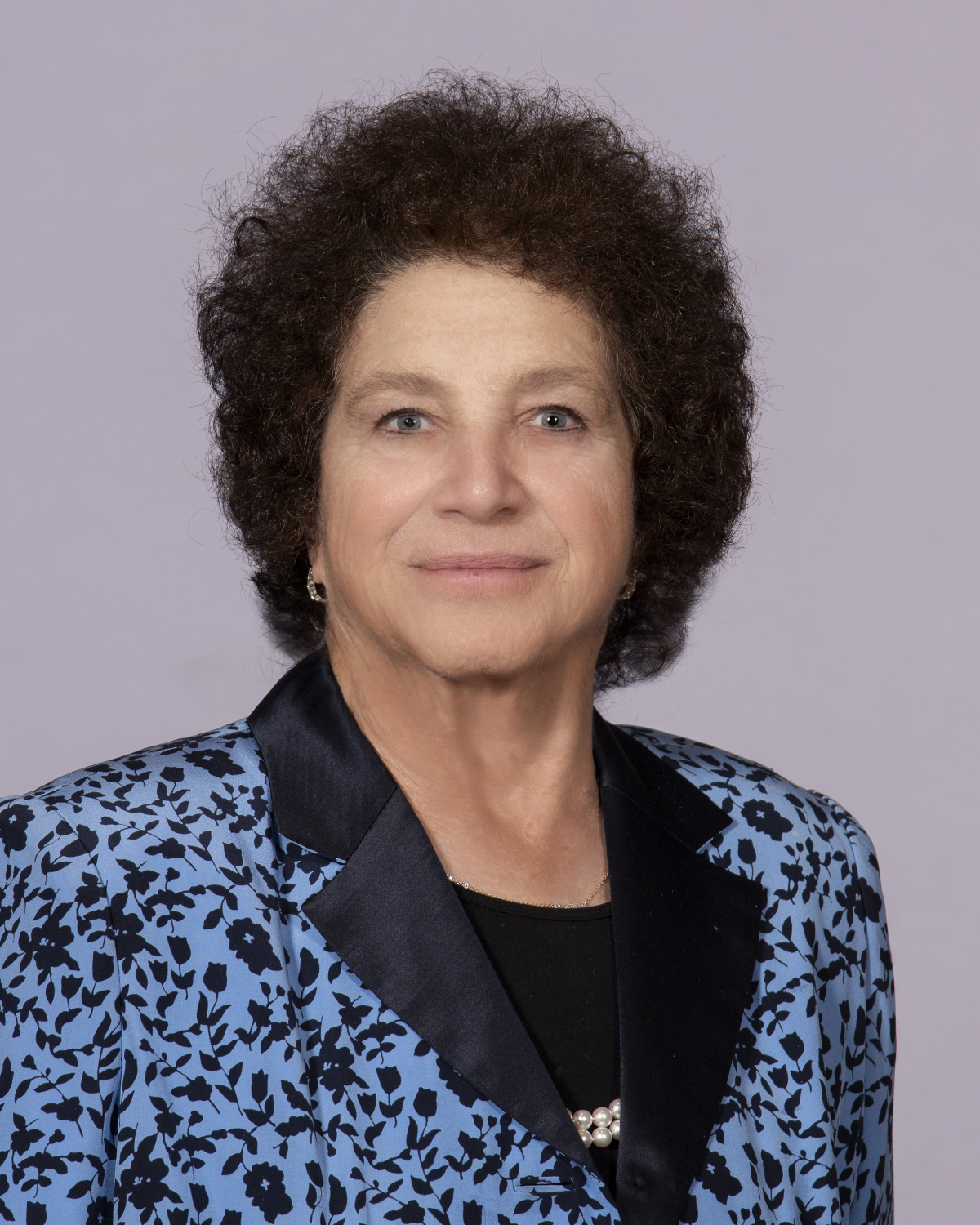
Cindy Rosenwald
27% support rate
Ranked legislators
10
5 support · 5 oppose
Key legislators

Who's moving healthcare in New Hampshire

Legislators moving healthcare in New Hampshire
Legislator Party Stance Support rate Decisive votes
Dan Innis
Dan Innis Senate · District 7
R
Strong +
82% 11
David Rochefort
David Rochefort Senate · District 1
R
Strong +
82% 11
Howard Pearl
Howard Pearl Senate · District 17
R
Strong +
82% 11
James Gray
James Gray Senate · District 6
R
Strong +
82% 11
Tim Lang
Tim Lang Senate · District 2
R
Strong +
82% 11
Cindy Rosenwald
Cindy Rosenwald Senate · District 13
D
Oppose
27% 11
David Watters
David Watters Senate · District 4
D
Oppose
27% 11
Debra Altschiller
Debra Altschiller Senate · District 24
D
Oppose
27% 11
Donovan Fenton
Donovan Fenton Senate · District 10
D
Oppose
27% 11
Pat Long
Pat Long Senate · District 20
D
Oppose
27% 11
Showing 91–100 of 141 bills

All healthcare bills

passed both · New Hampshire · House Jul 10, 2026

HB 1219: relative to immunization requirements in foster family homes and relative to financial eligibility for the Medicare savings program.

HB 1219 prevents foster family homes from imposing immunization requirements on children or foster parents that are stricter than those in RSA 141-C:20-a. Specifically, it prohibits requirements exceeding the standard for vaccine type, number of doses, or exemption policies already established for the general population. This bill directly affects foster children and foster parents by aligning their immunization standards with statewide requirements. The law amends RSA 170-E:27-b to ensure foster homes cannot mandate additional or more stringent vaccinations than what is required for children in public schools or the general community.
Sub-Topics Medicare
in committee · New Hampshire · House Aug 21, 2026

HB 1347: relative to health care provider networks and referrals.

HB 1347 prevents health care facilities (like hospitals and clinics) from blocking referrals from outside primary care doctors when both the facility and specialist accept the patient's insurance. It directly affects patients seeking specialist care and health care facilities that previously restricted such referrals. The bill requires facilities to accept these referrals if insurance is accepted, and violations can result in $100,000 fines per incident or loss of nonprofit status. Enforcement is handled by the attorney general, with the law taking effect 60 days after passage.
Sub-Topics Primary Care
in committee · New Hampshire · House Jan 21, 2026

HB 1476: permitting third-party payment for point-of-entry treatment system and water line installation to expand access to clean drinking water.

HB 1476 allows homeowners to use third-party funding (like from nonprofits, companies, or government programs) to pay for installing point-of-entry water treatment systems or connecting to public water lines. This directly helps residents in areas lacking clean drinking water who cannot afford these installations themselves. The bill requires written agreements between third parties and property owners, ensures systems meet safety standards, and clarifies that such payments do not count as loans unless structured as such. It also ensures the state cannot block these installations solely because a third party covers the cost, while preserving eligibility for existing state or federal water assistance programs.
Sub-Topics Drinking Water
failed · New Hampshire · House Feb 12, 2026

HB 1443: allowing retired state employees to defer earned retirement medical benefits to their surviving spouse.

HB 1443 clarifies that surviving spouses of retired state employees are automatically covered under the same medical benefit plan that the retiree was enrolled in, specifically for Medicare-eligible retirees. The bill amends state law to explicitly state that the state’s payment for retiree medical premiums applies to both the retired employee and their spouse for life. This change ensures surviving spouses qualify for continued coverage without needing separate enrollment, confirming existing policy rather than creating new benefits. The fiscal note states this clarification has no additional cost to the state, as surviving spouses were already eligible under current rules.
Sub-Topics Medicare
failed · New Hampshire · House Mar 11, 2026

HB 1773: relative to food and drink purchased under SNAP, the Supplemental Nutritional Assistance Program.

HB 1773 would direct New Hampshire to seek federal approval to prohibit SNAP (food stamp) benefits from purchasing sweetened drinks (with 5g+ added sugar) and candy. The bill requires the state health department to submit a waiver to the USDA by January 2027, defining prohibited items like soda and candy bars while excluding milk, juice blends, and certain non-refrigerated sweets. It mandates implementation plans for retailers and annual reports on purchasing patterns and health outcomes. This would directly affect SNAP recipients in New Hampshire who currently use benefits for these restricted items.
in committee · New Hampshire · House Mar 5, 2026

HB 1052: relative to qualifications for licensure as a LADC, or licensed alcohol and drug counselor.

HB 1052 amends New Hampshire's licensing requirements for Licensed Alcohol and Drug Counselors (LADCs) by adding a new pathway to licensure. It allows individuals with an internationally certified alcohol and drug counselor credential and 6,000 hours of supervised work experience to qualify for LADC licensure without needing an associate's or bachelor's degree in a related field. This change specifically removes the higher education requirement for applicants using this pathway, as outlined in the bill's amendment to RSA 330-C:17. The bill takes effect 60 days after passage and directly affects professionals with international certification and substantial work experience who lack the standard educational qualifications.
Sub-Topics Medical Licensing
failed · New Hampshire · House Mar 13, 2026

HCR 12: calling upon the federal delegation from New Hampshire to support Medicare for All, a universal health insurance program that guarantees all people the health care they need.

HCR 12 is a New Hampshire legislative resolution urging the state's federal congressional delegation to support Medicare for All. It requests federal lawmakers pursue legislation establishing universal health coverage through Medicare, including comprehensive benefits like dental, vision, and prescription drugs without deductibles, and transitioning current Medicaid recipients into the program. The resolution outlines six key provisions for such a system, emphasizing preventive care, provider choice, cost controls, and quality oversight. As a non-binding resolution, it does not change federal law but expresses the legislature's position on health care policy.
failed · New Hampshire · House May 8, 2026

HB 1335: requiring health care providers to disclose to patients indirect financial incentives received by the provider.

HB 1335 requires physicians to disclose to patients any financial incentives exceeding $5,000 received from a single source (like drug manufacturers) for preferential promotions related to specific treatments. It directly affects patients receiving care from providers who receive such payments, ensuring they learn about potential conflicts before prescriptions. The law mandates written disclosure as part of informed consent, including the source, amount, and a statement that the recommendation is based on clinical judgment. This applies only to incentives tied to the treatment being prescribed, not general practice income. The bill takes effect January 1, 2027.
in committee · New Hampshire · House Feb 11, 2026

HB 1232: relative to insurance coverage for telemedicine services.

HB 1232 requires New Hampshire health insurers to reimburse telemedicine services at the same rate as in-person services when the telemedicine code is substantially equivalent to an in-person code. Insurers that fail to comply face administrative fines of up to $2,500 per violation, and repeated violations (three or more in five years) could trigger license suspension. Affected individuals may also sue for court costs and attorney fees if an insurer violates the law repeatedly. The bill applies to all health insurers offering plans in New Hampshire and takes effect January 1, 2027.
Sub-Topics Insurance Telehealth
died · New Hampshire · House Aug 20, 2026

HB 1572: relative to licensure as a master licensed alcohol and drug counselor.

HB 1572 modifies licensing requirements for three professions in New Hampshire: master licensed alcohol and drug counselors, recreational therapists, and speech-language assistants. It adds a new education path requiring 60 hours of graduate coursework (in fields like clinical psychology or social work) plus five years of existing New Hampshire licensure for alcohol/drug counselors. For recreational therapists, it specifies that a baccalaureate degree must include "therapeutic recreation" as a major. Speech-language assistants can now qualify with an accredited associate's degree program equivalent to a speech-language pathology program. These changes directly affect individuals seeking or renewing licenses in these occupations.
Sub-Topics Medical Licensing
Showing 91 to 100 of 141 bills
Previous 1 … 9 10 11 … 15 Next