

Maddy summaryThis bill authorizes the U.S. Mint to produce commemorative $5 gold and $1 silver coins marking the 25th anniversary of the September 11, 2001, terrorist attacks. The coins must feature designs honoring victims and first responders (including the inscription "Never Forget") and will be sold only during 2027-2028. All surcharges ($35 per gold coin, $10 per silver coin) collected from sales will fund the National September 11 Memorial and Museum at the World Trade Center, with no net cost to the federal government. The coins are legal tender but primarily intended for collectors, not circulation.
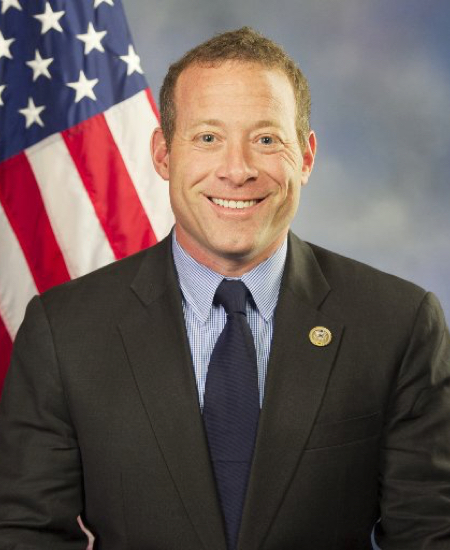
Rep. Josh Gottheimer
Sponsored bills
Maddy summaryThe Smithsonian American Women’s History Museum Act authorizes the creation of a new Smithsonian museum dedicated to women’s history, to be located within the National Mall Reserve in Washington, D.C. If the site is managed by another federal agency, the bill requires that agency to transfer the land after notifying Congress and relevant committees. The museum must ensure exhibits and programs accurately represent diverse women’s experiences by consulting a broad range of experts and community voices. The Smithsonian will submit biennial reports to Congress detailing how the museum meets these representation standards.
Maddy summaryThe Dietary Supplements Access Act allows individuals to use funds from specific tax-advantaged health accounts to purchase dietary supplements without paying income taxes on those withdrawals. This legislation directly affects holders of Health Savings Accounts, Archer Medical Savings Accounts, and Health Flexible Spending Arrangements by permitting up to $500 per year in tax-free spending on these products, with a lower limit of $250 for married couples filing separately. The bill explicitly defines dietary supplements according to federal law but excludes energy drinks, soft drinks, and sodas from this benefit. These tax advantages will only become effective for expenses incurred after December 31, 2025.
Maddy summaryThe Stop the Doxx Act makes it a federal crime to publicly share personal information, such as home addresses or phone numbers, about law enforcement officers, prosecutors, judges, or their immediate family members with the intent to threaten or intimidate them. Under this law, individuals found guilty face prison sentences of up to 10 years for a first offense, with penalties increasing to 20 years for repeat offenses or up to 40 years if the act results in injury or death. The bill also allows victims to sue for damages and requires the Attorney General to create a free, annual training program to help these public servants protect their personal data online.
Dental Care for Veterans Act This bill expands eligibility for veterans for dental care provided by the Department of Veterans Affairs (VA). Specifically, the bill makes all veterans who are enrolled in the VA health care system eligible for VA-provided dental services. Currently, only veterans who have a service-connected dental issue or meet other narrow criteria are eligible for certain dental services. The bill phases in eligibility over four years based upon existing eligibility, degree of service-connected disability or other disability, prisoner of war status, award of a Purple Heart, financial need, or VA health care eligibility.
Maddy summaryThe IMPACT to Save Moms Act directs the Centers for Medicare & Medicaid Services to run a five-year demonstration project from 2027 to 2031, allowing states to test new payment models for maternity care under Medicaid and state child health plans. This initiative aims to improve health outcomes for pregnant and postpartum individuals, with a specific focus on reducing disparities among groups that experience higher rates of maternal mortality and severe complications. To achieve these goals, the project requires states to consider alternative payment structures that account for pregnancy risk levels, include diverse care teams with training on bias, and address social factors affecting health. The bill also mandates that the federal government evaluate the project's impact on health outcomes and spending, and submit a final report to Congress with recommendations on whether to expand the program nationwide.
Maddy summaryThe No Rigged Grocery Prices Act prohibits grocery stores and third-party delivery services from using a customer's personal data to raise prices for specific individuals. While the law allows for standard promotions, loyalty rewards, and objective cost differences like shipping fees, it bans dynamic pricing that targets consumers based on their personal information. Retailers must also inform customers if item availability changes or if prices are calculated by weight, and delivery services need explicit permission before swapping out grocery items. Violations of these rules would be treated as unfair business practices enforceable by the Federal Trade Commission. Additionally, the bill requires the Department of Labor to report on how the adoption of electronic shelf labels affects employment at grocery stores.
Maddy summaryThe Next GEN Act of 2026 modifies the Drug Price Negotiation Program to include a specific category of medications called engineered cyclic peptides. This change extends the time before these drugs can be negotiated for lower prices from seven years to eleven years. The bill defines these peptides as synthetic, amino acid-based drugs that are self-administered and created using genetic library screening methods. By adjusting the timeline, the legislation directly affects pharmaceutical companies and the government agencies responsible for setting drug prices under the program.
Maddy summaryThe Promoting Police Leadership Act directs the Attorney General to create training programs for mid-level law enforcement leaders, such as those managing specific geographic areas. These curricula will focus on practical skills like strategic thinking, community trust-building, data analysis, and officer wellness, delivered primarily through in-person instruction and peer learning. The bill establishes a certification system for courses that meet these standards and requires the Attorney General to publish a list of agencies that have successfully trained their command staff. Additionally, the legislation mandates periodic reports to Congress and a review by the Government Accountability Office to assess the program's effectiveness. Importantly, the law explicitly states that it does not override state or local authority to set their own training and certification standards for police officers.
Maddy summaryThis non-binding resolution expresses the House of Representatives' view that the FDA should regulate mifepristone, a medication used for abortion, based on scientific evidence rather than political pressure. It highlights over 25 years of data showing the drug is safe and effective when prescribed via telemedicine or dispensed by mail and pharmacy. The bill advocates for policies that ensure equitable access to this care, particularly for marginalized communities facing barriers due to state-level restrictions. By citing numerous studies and medical organizations, the resolution calls for transparent, science-based decisions to maintain current access methods.