Maddy summaryThis bill requires all states to submit detailed data on Supplemental Nutrition Assistance Program (SNAP) fraud to the Department of Agriculture. The data must include information on fraud cases, enforcement actions, recoveries, and specific instances involving deceased individuals or false social security numbers. States must provide this information within 180 days of enactment for historical data and annually thereafter, with funds withheld if they fail to comply. The Secretary of Agriculture will compile and publish annual reports to Congress based on the submitted data.
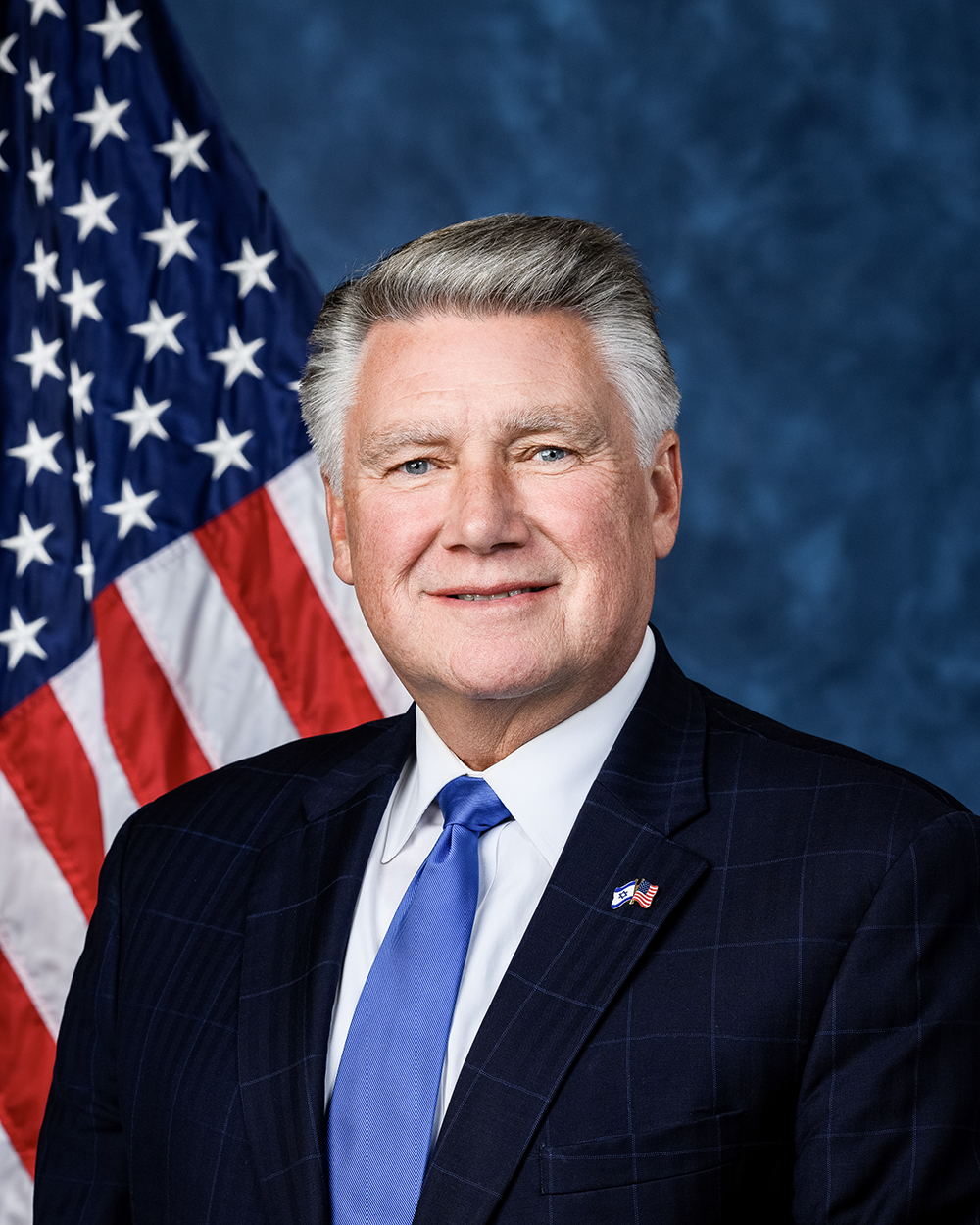
Rep. Mark Harris
Sponsored bills
Maddy summaryThe SILVER Act aims to improve the resilience and efficiency of the U.S. precious metals futures market by allowing storage facilities outside New York City to be approved for use in futures contracts. The bill requires derivatives clearing organizations to use transparent, objective criteria when selecting storage vaults and to approve new facilities that promote geographic diversity, competition, and lower storage costs. It mandates that at least two approved depositories be available in each of the four U.S. time zones, ensuring broader market access and reducing risks associated with concentrating vaults in one location. The legislation also requires periodic assessments of how easily market participants can access physical delivery of commodities regardless of where the storage facilities are located.
Deporting Fraudsters Act of 2026 This bill makes certain acts related to public benefits fraud grounds for (1) barring a non-U.S. national ( alien under federal law) from admission into the United States, or (2) deporting the individual. The bill also makes such an individual ineligible for immigration enforcement relief, including relief for an individual in danger of subjection to torture. Specifically, this bill applies to individuals who have been convicted of, admit to having committed, or admit to acts which constitute certain offenses. Offenses covered by this bill include (1) fraud involving Supplemental Nutrition Assistance Program (SNAP) benefits, (2) fraud involving Social Security benefits, (3) fraud involving programs that receive federal funds, and (4) the production of fraudulent identification documents.
Maddy summaryHR 556, the Protecting Access for Hunters and Anglers Act, prevents federal agencies from banning lead ammunition or tackle on public lands and waters managed for hunting or fishing. It directly affects hunters and anglers using federal lands (like national wildlife refuges, public forests, and BLM lands) by blocking nationwide restrictions on lead products. The bill allows limited exceptions only for specific locations where wildlife decline is directly linked to lead use, and the restriction must align with state law or get approval from the state wildlife agency. This changes how federal land managers can regulate lead, requiring state coordination for any local restrictions.
Maddy summaryThis bill, titled the Clean Water for All Life Act, would amend federal criminal law to prohibit chemical abortions unless a healthcare provider is physically present during the procedure. It directly affects individuals who prescribe, administer, or assist with chemical abortion drugs like mifepristone and misoprostol by making it a federal crime to provide these services without a physical exam and the provider's presence. The law requires that patients receive a catch kit and red bag medical waste container with disposal instructions, and it defines an unborn child as beginning at fertilization. Violations could result in up to five years in prison and a $50,000 fine for each occurrence. The bill does not address other forms of abortion or change existing state laws.
Maddy summaryThis bill amends the Federal Funding Accountability and Transparency Act of 2006 to require faster public access to information about federal awards. It directly affects government agencies that issue federal funding and the public seeking transparency on how those funds are used. The key provision changes the posting deadline from 30 days after an award is given to just 3 days, ensuring more immediate public availability of award data. This change aims to improve real-time transparency without altering the underlying funding process or eligibility requirements. The bill focuses solely on accelerating the timing of information disclosure rather than changing how awards are distributed or managed.
Home School Graduation Recognition Act This bill clarifies that students who complete their secondary education in a home school setting recognized under state law are high school graduates for purposes of eligibility for federal student aid.
Enhanced Iran Sanctions Act of 2025 This bill imposes sanctions on certain foreign persons (individuals and entities) that are involved in Iran's petroleum sector as well as certain associated persons. The bill also requires or authorizes actions to facilitate the enforcement of sanctions on Iran. Specifically, the bill requires the President to impose visa- and property-blocking sanctions on any foreign person that, after the bill's enactment, knowingly engages in any transaction related to the processing, export, or sale of oil, condensates, gas, liquefied natural gas, or other petrochemical products in whole or in part from Iran. The President must also impose sanctions on certain foreign persons associated with a sanctioned individual or entity. For example, the President must sanction the subsidiaries and corporate officers of a sanctioned business. The bill provides certain exceptions to these sanctions, including specifying that sanctions do not apply to the importation of goods or to conducting or facilitating transactions for humanitarian assistance. The Department of State must establish an interagency working group that shall seek to establish a multilateral contact group to coordinate international efforts to enforce sanctions on Iran. The bill expands the State Department rewards program to authorize a reward payment to any individual who furnishes information leading to the identification of a person (1) subject to sanctions under this bill, or (2) that has attempted or is attempting to evade sanctions under this bill.

Maddy summaryThis bill, titled the Protect Liberty and End Warrantless Surveillance Act of 2026, reforms the Foreign Intelligence Surveillance Act and adds protections for data brokers to limit how law enforcement and intelligence agencies can access personal information. The legislation prohibits warrantless queries of communications belonging to U.S. persons, requires court orders before accessing certain data from third-party providers, and mandates greater transparency in surveillance directives. It also expands the role of independent advocates in surveillance court proceedings and restricts the use of illegally obtained data from data brokers in legal proceedings.
Maddy summaryThis bill, titled the No Federal Tax Dollars for Illegal Aliens Health Insurance Act of 2026, amends the Affordable Care Act to restrict the use of federal taxpayer funds for health insurance coverage. It directly affects states that receive funding under the ACA and individuals seeking health insurance coverage through federal programs. The key provision prohibits states from using pass-through funding to pay for health insurance or related benefits for individuals who are not U.S. citizens, nationals, or lawfully present aliens. Additionally, the bill requires the Secretary of Health and Human Services to rescind any existing waivers that would have allowed such funding for unauthorized individuals had the new restrictions been in place at the time of approval.