

Maddy summaryThe PRIVACY Act restricts Federal law enforcement agencies from accessing surveillance data collected by State or local agencies without a warrant issued by a Federal judge. It establishes a "Jurisdictional Wall List" maintained by the Attorney General that includes technologies like automated license plate readers and long-range microphones, prohibiting the use of Federal funds to purchase these specific devices. While the bill allows for limited exceptions in emergencies or with consent, it mandates strict rules on data retention, requiring agencies to delete most collected information within 30 days unless it becomes evidence in an active prosecution. Additionally, the legislation bans the use of this data to monitor individuals exercising First Amendment rights and requires regular reporting to Congress on how these surveillance tools are utilized.
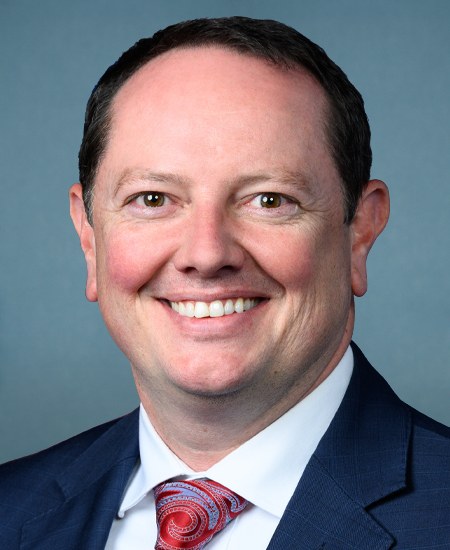
Rep. Eric Burlison
Sponsored bills
Maddy summaryHR 7651, the Chloe Cole Act of 2026, prohibits healthcare providers from performing certain medical interventions on minors under 18 aimed at altering physical development to align with gender identity. These "covered interventions" include puberty blockers, hormone treatments, and specific surgeries, but exclude medically necessary care for conditions like disorders of sexual development or traumatic injuries. The bill creates a federal civil lawsuit right for affected minors or their parents against providers who perform such interventions, allowing claims for damages including emotional distress and punitive awards, with strict liability for providers after the law's enactment. It explicitly allows exceptions for legitimate medical treatments and requires providers to prove such exceptions apply if challenged.
Maddy summaryThe Sunshine Protection Act of 2025 would make daylight saving time permanent across the United States, ending the current practice of changing clocks twice yearly. It repeals the 1966 law requiring seasonal time changes and adjusts time zone offsets to reflect permanent daylight saving time (e.g., shifting from "4 hours" to "3 hours" in historical references). States that currently opt out of daylight saving time (like Arizona and Hawaii) would retain their existing arrangements, while all other states would adopt permanent daylight saving time unless they choose to stay on standard time. This change would directly affect all U.S. residents by eliminating the need to reset clocks in spring and fall.
Maddy summaryHR 5549, the Efficient Nuclear Licensing Hearings Act, streamlines the licensing process for nuclear facilities by reducing mandatory hearings. It allows the Nuclear Regulatory Commission (NRC) to issue construction permits, operating licenses, or amendments without a hearing if it provides 30 days' notice and Federal Register publication, skipping the hearing requirement only when an amendment involves "no significant hazards." This change applies to all pending NRC applications after enactment, shifting from current rules requiring hearings unless waived. The bill directly affects nuclear facility developers, the NRC, and communities potentially impacted by licensing decisions through its revised notice and hearing procedures.
Maddy summaryThis resolution expresses support for designating July as "National Fireworks Month" to honor the tradition of celebrating Independence Day. It recognizes the historical significance of fireworks in American history and highlights the industry's role in supporting local businesses and the economy. The bill urges local governments to host Fourth of July celebrations and ensures that consumer fireworks remain affordable and available for public enjoyment.
Maddy summaryThis bill proposes a constitutional amendment to repeal the Seventeenth Amendment, which currently mandates the direct election of U.S. Senators by the public. If ratified by conventions in three-fourths of the states, the change would restore the original system where state legislatures select Senators. The proposal includes a provision to protect the terms of any Senators currently serving, ensuring their positions remain unaffected by the transition. This measure directly impacts the method of choosing Senators and would alter the balance of power between the federal government and state legislatures.
Repealing Big Brother Overreach Act This bill repeals the Corporate Transparency Act. The act requires existing companies and newly created companies to report beneficial ownership information to the Department of the Treasury’s Financial Crimes Enforcement Network for purposes of addressing the financing of terrorism and money laundering.
Maddy summaryThis bill, known as the Stopping Harmful and Outrageous Torts Act, expands legal protections for firearm manufacturers and sellers by strengthening their immunity from civil lawsuits. It requires courts to immediately dismiss any pending cases against these companies that are based on the criminal or unlawful misuse of a gun by a third party, while also clarifying that sellers are not liable for negligence in entrusting products to others. The legislation further restricts who can file such suits by prohibiting foreign governments from bringing these claims and adding a specific exception for victims under the age of 17, though it maintains immunity for cases involving design or manufacturing defects. Additionally, the bill allows companies to move these cases to federal court and grants them the right to appeal dismissal orders immediately, along with the ability to recover legal fees if they win. Finally, it preempts state and local laws that attempt to impose liability on these entities for the same types of misuse-related harms.
Maddy summaryThis bill, titled the No Exceptions for Non-Citizens Voting Act, aims to strengthen penalties for non-citizens who vote illegally in the United States. It modifies federal law to make voting by aliens a specific ground for inadmissibility and deportability under immigration statutes. The legislation also removes existing exceptions that previously allowed certain non-citizens to vote in federal elections without facing these specific immigration consequences. By updating the Immigration and Nationality Act, the bill ensures that any alien who votes in violation of any election law faces potential removal from the country.
Maddy summaryThe Firearm Freedom Act of 2026 removes the federal ban on the possession and transfer of machineguns by repealing a specific section of the United States Code. This change would allow individuals who currently possess these weapons to keep them and would enable the legal transfer of machineguns between private citizens. The bill directly affects existing owners of machineguns and would alter the rules governing how these firearms can be sold or given away. By eliminating this restriction, the legislation aims to expand the types of firearms that are legally transferable under federal law.